Norway Battles Rising Ketamine Use Amid Club Culture Hype
Norway is experiencing a significant rise in ketamine abuse, particularly in Oslo's vibrant club scene. Despite medical uses, recreational use leads to serious health risks like bladder damage and psychological distress. Law enforcement faces challenges in intercepting the increasing illegal supply.

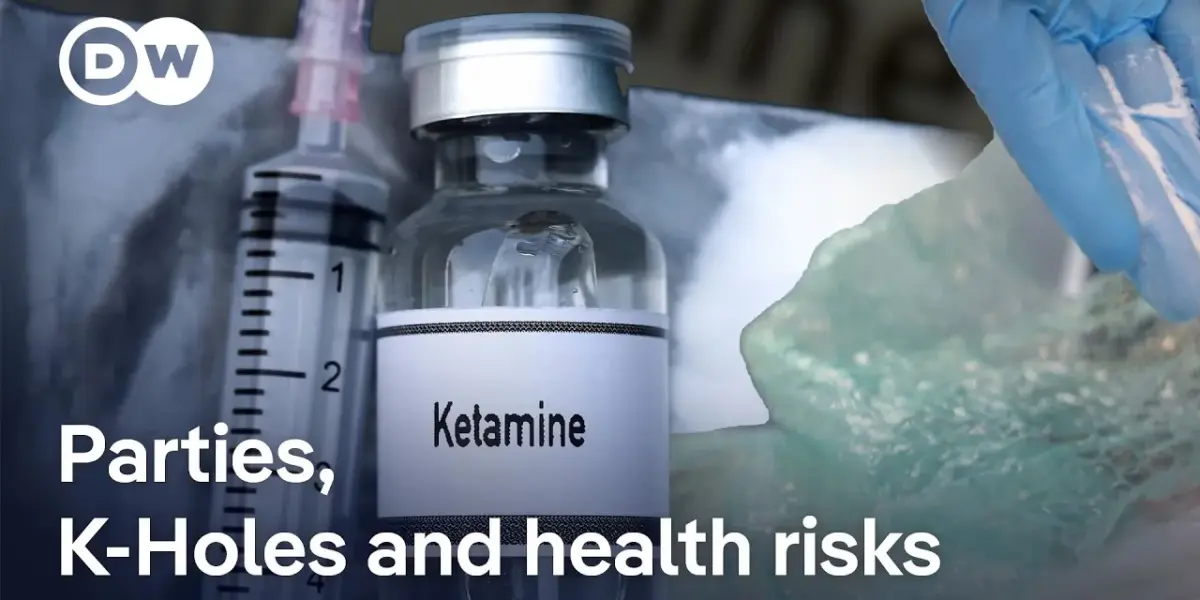
Oslo Grapples with Surge in Ketamine Abuse
Norway’s capital, Oslo, is facing a growing challenge as ketamine, a drug popular in clubs and festivals, sees increased abuse. Once primarily used for medical purposes like pain relief and anesthesia, ketamine’s hallucinogenic properties have made it a staple in Europe’s party scene. Oslo, in particular, is experiencing a significant influx of the drug, overwhelming police and customs efforts to control its spread. The situation highlights a complex issue where recreational use clashes with serious health risks and law enforcement struggles to keep pace.
The Allure of ‘K’ in the Nightlife
As midnight approaches on a Friday in Oslo, lines outside clubs stretch long, filled with people eager for a night of dancing and music. For many, the experience is incomplete without ketamine, often referred to as ‘K’. “Rave without ketamine is boring,” admitted one clubgoer, reflecting a sentiment common among some partygoers. While legalizing the drug is not widely supported by the general public, its presence in the nightlife is undeniable. Users describe ketamine as a way to escape daily problems, with higher doses leading to a detached feeling, a temporary respite from stress.
Medical Uses and Recreational Risks
Doctors acknowledge ketamine’s legitimate medical applications, including its use as a pain medication, anesthetic, and even an emerging treatment for depression. However, its recreational use carries significant dangers. Dr. Aa Mumbi, who works with first aid teams at large raves, witnesses the consequences firsthand. Her teams often treat individuals who have overdosed, sometimes reaching a state known as a ‘K-hole’. This condition can cause users to lose control and collapse, presenting a medical emergency similar to other critical drug-related incidents.
The Deceptive Cheapness of Ketamine
On the black market, ketamine is often cheaper than alcohol, leading many to mistakenly believe it is less harmful. This perception is dangerous, according to health experts. Long-term abuse of ketamine can lead to severe and irreversible bladder damage, a serious health consequence that users often overlook. The drug’s ability to reduce social inhibitions also plays a role in its popularity, especially in a country like Norway, where some note a general tendency towards social reservation. This perceived need to lower inhibitions drives both alcohol and ketamine consumption.
Norway’s Legal Response and Enforcement Challenges
In response to the rising concerns, Norway banned the possession of ketamine for non-medical purposes in early 2026. Despite this ban, some political groups argue that the government’s overall drug policies remain too lenient. They express alarm over the impact on young people, citing ketamine’s potential to trigger fear and paranoia, leading to a need for subsequent treatment. Law enforcement faces a daunting task in curbing the illegal supply. Customs officials report a dramatic increase in intercepted shipments, with packages previously containing grams now arriving with kilograms of the drug. This indicates a significant escalation in the scale of trafficking.
The Path to Addiction and Continued Demand
A former ketamine user shared his experience, highlighting how easily the drug can be obtained on Oslo’s black market and the insidious nature of addiction. He described a compulsive need to buy more whenever his supply ran out, leading to daily use and eventual realization of his addiction. The struggle to quit was immense. Despite the known risks and the efforts to control its spread, factors like Norway’s long winters and a societal fear of loneliness suggest that drugs like ketamine will likely continue to find buyers. The demand, fueled by a desire for escape and social connection, remains a persistent challenge for authorities and public health officials.
Looking Ahead
As Norway continues to confront the growing problem of ketamine abuse, the focus will likely remain on strengthening law enforcement efforts, enhancing public health awareness campaigns about the drug’s dangers, and exploring effective treatment options for addiction. The interplay between nightlife culture, medical use, and the illicit drug trade presents an ongoing challenge that requires a multi-faceted approach.
Source: Norway struggles to grapple with ketamine drug problem | Focus on Europe (YouTube)

Related Articles


Pentagon Chief Blocks Black, Female Officers’ Promotions
Pentagon chief Pete Hegseth is reportedly blocking the promotions of four Army officers, two Black and two women, to one-star general. This decision follows reports of alleged discriminatory remarks made by a top aide to Secretary Hegseth regarding President Trump's comfort standing with Black female officers.


G7 Allies Clash Over Iran War Strategy, Urge Focus on Russia
G7 foreign ministers met in Paris, revealing deep divisions over the U.S. war with Iran. European allies urged the U.S. to pressure Russia, linking its actions to the conflict and fearing support for Ukraine will wane.


Americans Rise Up: History Shows Protests Drive Change
History shows that significant societal change in America often begins with citizens demanding action, not government initiative. From factory safety laws after the Triangle Shirtwaist fire to civil rights legislation spurred by the March on Washington and environmental protections born from Earth Day, public outcry has been a powerful catalyst. As new protests emerge amid current political and economic challenges, the nation watches to see if this historical pattern of people power will once again drive meaningful change.