Trump’s World Stage Gamble Backfires
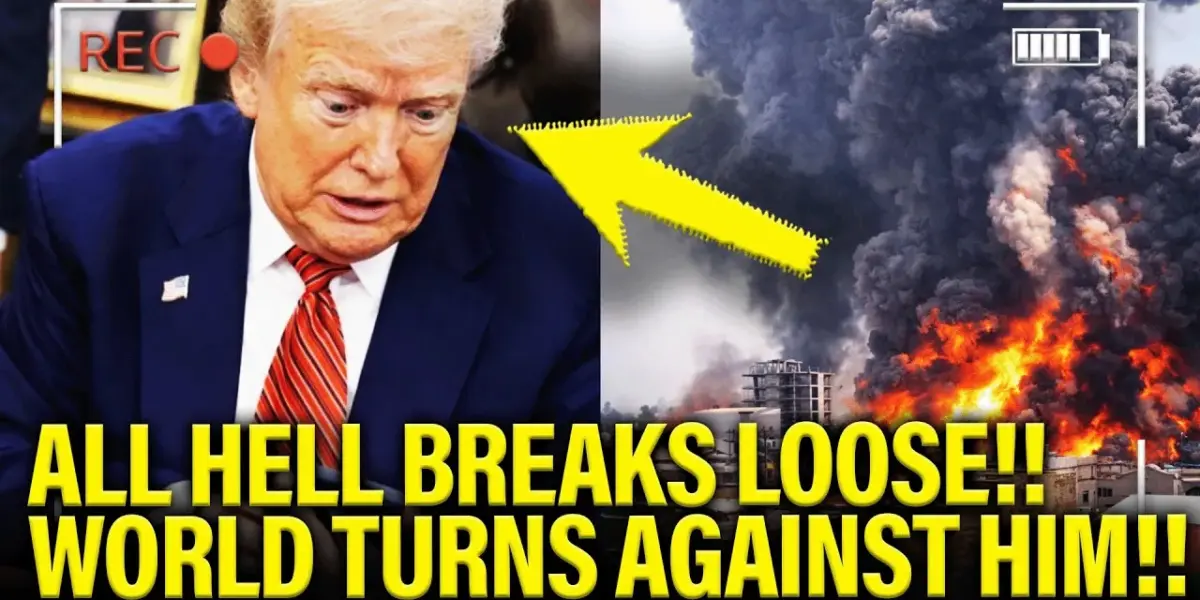
Donald Trump's foreign policy decisions are facing international backlash, with allies questioning US reliability and adversaries emboldened. Iran continues its strikes, mocking US offers, while France and Turkey express grave concerns. The conflict is causing global economic disruption and shifting regional alliances, creating a volatile international landscape.

Trump’s World Stage Gamble Backfires
Donald Trump’s actions on the world stage have led to widespread criticism and a feeling of instability. Allies and adversaries alike are questioning the United States’ reliability and its foreign policy decisions. This has created a complex and unpredictable international environment.
Iran’s Unwavering Strikes and Mockery
Since the current conflict began, Iran has continued its attacks on US bases and infrastructure, as well as on Israel. Despite statements from Trump suggesting a willingness for a 30-day ceasefire and a deal with Iran, the Iranian military leadership has responded with contempt. They have openly mocked Trump and the United States, viewing these offers as a sign of weakness.
Allies Express Growing Concern
The unpredictability of US actions is also alarming key allies. France’s Army Chief, Fabian Mondon, has warned that the United States is becoming increasingly unreliable, impacting France’s own security interests. He expressed surprise that an ally would launch military operations without informing them, highlighting a breakdown in communication and trust.
Global Discontent and Shifting Alliances
Turkish President Erdogan has stated that while the war may be Israel’s, the entire world is suffering the consequences. He described the conflict as Netanyahu’s war for political survival, but noted that billions are paying the price. Protests against the United States are growing from Iraq to Pakistan and across Arab nations. People feel that the US security umbrella is no longer providing the safety it once promised.
“The war is Netanyahu’s war for political survival. But 8 billion people are suffering the consequences.” – Turkish President Erdogan
Qatar’s ‘Force Majeure’ and LNG Disruptions
The situation has led to significant economic disruption. Qatar, a major global supplier of liquefied natural gas (LNG), has declared a ‘force majeure’ on its contracts. This means they are suspending deliveries due to major disruptions. This move will impact countries like Taiwan, Italy, Belgium, South Korea, and China, which rely on Qatari LNG. The disruptions are linked to damage from Iran’s strikes on facilities connected to Qatar’s energy infrastructure.
A ‘force majeure’ clause allows a company to break contracts due to unforeseen events beyond their control, like a natural disaster or, in this case, significant damage from conflict. This highlights the ripple effect of the ongoing hostilities on global energy markets.
Iran’s Firm Stance Against Negotiation
Iran’s military spokesperson has clearly stated their position remains unchanged. They have declared they will never come to terms with the United States. They view any talk of deals or ceasefires as a sign of American defeat, not an agreement. Iran insists that nothing will return to normal until the idea of acting against the Iranian people is completely abandoned.
This direct contradiction to Trump’s claims of nearing a deal underscores the deep mistrust and animosity between the two nations. Iran sees Trump’s statements as propaganda, designed to mask a loss.
Escalation in Iraq and Breach of Sovereignty
The conflict is also spilling over into Iraq. Following deadly strikes on a militia headquarters, the Iraqi government has authorized the Popular Mobilization Forces (PMF) to defend themselves. The PMF, a state-backed militia integrated into Iraq’s security forces, accused the US of carrying out the strikes, which killed at least 15 fighters, including a senior commander.
Iraq’s government has summoned the US ambassador in protest, calling the strikes a breach of sovereignty. This decision essentially permits Iraqi militias to attack US forces. Iranian-backed groups in Iraq have already released footage of drone attacks targeting a US base in Baghdad, hitting radar systems and helicopters. This suggests a potential return to open conflict between the US and Iraq.
Historical Context: Unchecked Actions and Escalation
This situation echoes past instances where a lack of direct confrontation and a failure to acknowledge the truth led to worsening crises. When leaders downplay threats or present a false sense of security, problems can escalate beyond control. The current conflict in the Middle East seems to be following a similar dangerous path. The legality and objectives of US military presence in the region are also being questioned, especially since previous claims about eliminating nuclear weapons appear contradictory to current actions.
US Military Buildup Amidst Quagmire
Despite the escalating tensions and the potential for wider conflict, the US is sending thousands of troops, including the 82nd Airborne Division and Marine Expeditionary Units, to the Middle East. This military buildup occurs as the US finds itself in a deepening quagmire, with allies questioning the strategy and objectives.
Gulf Nations Re-evaluate US Relationship
The war’s impact is causing Gulf nations to question their relationship with the US. Some analysts believe that Trump’s decision to postpone striking Iran’s energy infrastructure, out of fear of US market price fluctuations, while ignoring damage to Gulf economies, has created significant distrust. When warnings about retaliatory strikes on Gulf energy fields were disregarded, these nations felt left to face Iranian missiles alone.
Striking Iran’s gas fields did not yield strategic advantages. Instead, it caused massive losses to the Gulf’s energy sector, potentially benefiting American gas companies. This has led to a perception that Gulf societies are undervalued, seen as less important than crude oil prices.
Iran’s Diplomatic Overture and US Propaganda
Meanwhile, Iran is attempting to rally Gulf nations, urging them to unite. While this is partly propaganda, it highlights Iran’s efforts to counter US influence. The US, through statements from officials like Pete Hegsith, has been perceived as using aggressive language and actions, which Iran uses to portray the US as a “deranged and demented regime.” This communication battle aims to sway regional and global opinion.
Broader Regional Instability and Future Threats
The situation in Lebanon and Gaza, along with the ongoing conflict, points to widespread human suffering and potential war crimes. The US is seen as displaying weakness rather than strength on the world stage. Iran believes it has the upper hand, knowing the US has telegraphed its strategies. Furthermore, the Houthi movement in Yemen has not yet been fully activated, posing a future threat to the Red Sea shipping lanes. Iran already holds significant control over the Strait of Hormuz.
“We have one message for the American soldiers. Come closer. For years, we’ve been waiting for the American entry into the designated points. And for over two decades, we’ve been training with asymmetric warfare strategy for this very moment.” – Iranian official Ali Akbar Ahmadian
Why This Matters
The current international climate, marked by escalating conflicts, broken alliances, and economic instability, is a direct result of unpredictable foreign policy. The perceived weakness and contradictory actions of the United States are emboldening adversaries and alienating allies. This creates a dangerous vacuum where regional powers may fill the void, leading to further conflict and a breakdown of global order. The economic consequences, particularly in energy markets, affect everyone. The lack of clear objectives and authorization for military actions raises serious questions about accountability and the long-term strategy for peace and security.
Implications, Trends, and Future Outlook
The trend is towards increased regional conflict and a potential realignment of global alliances. Countries are reassessing their partnerships and seeking stability outside traditional frameworks. The future outlook suggests a more fragmented and volatile international system, where communication breakdowns and aggressive posturing could lead to wider wars. The economic impact will likely continue, affecting global trade and energy prices. The reliance on military solutions without clear diplomatic strategies appears to be a failing approach, increasing the risk of prolonged and devastating conflicts.
Source: All HELL BREAKS LOOSE as Trump LOSES CONTROL on WORLD STAGE (YouTube)

Related Articles
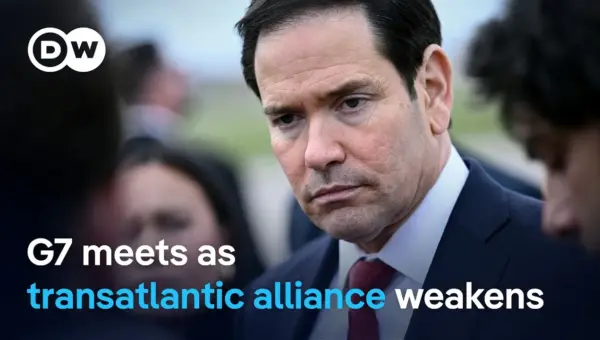
G7 Allies Clash Over Iran War Strategy, Urge Focus on Russia
G7 foreign ministers met in Paris, revealing deep divisions over the U.S. war with Iran. European allies urged the U.S. to pressure Russia, linking its actions to the conflict and fearing support for Ukraine will wane.
Iran Blocks China Ships, Exposing Beijing’s Weak Grip
Iran's recent decision to block Chinese ships at the Strait of Hormuz is exposing the limits of Beijing's influence in the Middle East. This action is causing delays and cancellations for Chinese manufacturers, turning a perceived geopolitical win into an economic strain.
Rubio: US Can Achieve Iran War Goals Without Troops
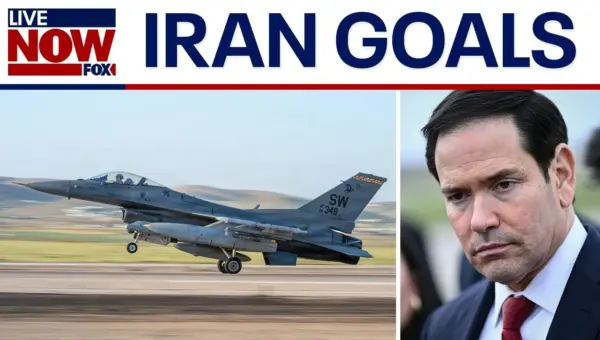
Senator Marco Rubio outlined a strategy to counter Iran without deploying U.S. ground troops, focusing on weakening the regime and enhancing maritime security. He also criticized Cuba's economic system and expressed concerns about West Bank violence.