LaGuardia Crash Exposes Airport Chaos, Border Policy Fallout
A deadly crash at LaGuardia Airport has exposed critical weaknesses in U.S. aviation security, exacerbated by TSA staffing shortages and controversial ICE deployments. The incident highlights the strain on travel infrastructure amidst ongoing debates about border policy and geopolitical tensions with Iran.


LaGuardia Crash Highlights Airport Strain Amidst Border Policy Debate
A deadly crash at New York’s LaGuardia Airport has brought to light the severe strain on the U.S. aviation system. The accident, which killed two pilots and injured dozens, occurred as the airport was already struggling with long security lines and staff shortages. This incident has amplified concerns about the safety and efficiency of air travel, especially as the government grapples with border security policies and their impact on federal agencies.
LaGuardia Tragedy: A Collision of Errors
The Air Canada jet crashed into a Port Authority fire truck on the runway. Investigators are looking into how the fire truck was cleared to cross the runway while the plane was cleared for landing. Air traffic control audio reveals a controller frantically trying to stop the truck moments before the collision. The controller, admitting to being distracted by an earlier emergency with a United Airlines flight, stated, “I messed up.”
This incident is LaGuardia’s first fatal crash in 34 years. Flights have resumed on a single runway, but significant delays and cancellations are expected. The National Transportation Safety Board (NTSB) and the Federal Aviation Administration (FAA) are investigating. The NTSB has recovered the cockpit voice recorder and flight data recorder.
Systemic Stress: TSA Shortages and ICE Deployments
The LaGuardia crash occurred against a backdrop of nationwide travel disruptions. Long lines at TSA security checkpoints have become common. This is largely due to a partial government shutdown, which has led to TSA agents not being paid. As a result, many TSA agents have called out sick, exacerbating delays.
In response to these TSA shortages, the Trump administration deployed Immigration and Customs Enforcement (ICE) agents to over a dozen airports, including LaGuardia, Newark, and Atlanta. However, this move has drawn criticism. The TSA union argues that untrained ICE agents do not solve the problem and instead create new security risks. The Wall Street Journal called the deployment a “stunt, not a policy solution.”
Experts like former acting ICE director John Sandweg explain that while federal agencies within the Department of Homeland Security (DHS) can assist each other, TSA’s role requires specialized training. ICE agents are reportedly being used for visible security, such as patrolling terminals, rather than operating X-ray machines or conducting pat-downs. This deployment does not address the core issue: the need for paid and properly trained TSA personnel.
Border Policy and Aviation Security Intertwined
The discussion around airport chaos is closely linked to the ongoing debate over border security and immigration policy. The government shutdown, which has impacted TSA pay, is tied to demands for border wall funding. The transcript highlights a case where a Venezuelan immigrant, allegedly shielded by Chicago’s “sanctuary city” policies, was charged with murder after entering the country illegally and being arrested for shoplifting.
Former DHS advisor Charles Marino and Sandweg discuss how such cases are a “worst nightmare” for agencies like ICE. While a shoplifting offense doesn’t necessarily predict future violence, they stress the importance of a risk-based approach to enforcement, focusing resources on individuals who may pose a public safety threat. The debate over sanctuary city policies and their impact on national security and public safety is a significant point of contention.
Geopolitical Tensions: Iran and the Strait of Hormuz
The transcript also touches upon escalating geopolitical tensions with Iran. President Trump announced a delay in potential strikes on Iranian nuclear facilities, citing “very good talks.” However, Iran denies direct negotiations, calling the claims “fake news.” The U.S. had previously threatened military action if Iran continued to block the Strait of Hormuz, a critical route for global oil supply.
The oil crisis stemming from the conflict is described as worse than the oil shocks of the 1970s. While the deadline extension and talk of peace talks have calmed global markets temporarily, experts warn that repairing damaged refineries and restoring full capacity will take months or even years. The situation is complex, with reports suggesting potential fractures within the Iranian regime and messages being sent to those associated with “anti-Iran” media.
Looking Ahead: Leadership and Policy Challenges
The segment concludes by looking at the potential impact of Senator Mark Wayne Mullen as the new head of DHS. He is expected to bring a less polarizing approach and focus on the department’s mission. His relationships across the aisle could be crucial in navigating the complex challenges facing DHS, including border security and aviation safety.
Ultimately, the events at LaGuardia and the broader issues of TSA staffing and border policy underscore the interconnectedness of national security, immigration, and public services. The ongoing government shutdown and the resulting strain on critical agencies like TSA highlight the urgent need for bipartisan solutions to ensure the safety and efficiency of travel and to manage complex geopolitical situations effectively.
Source: What went wrong with deadly crash at LaGuardia Airport? | Vargas Reports Full Show 3/23 (YouTube)

Related Articles
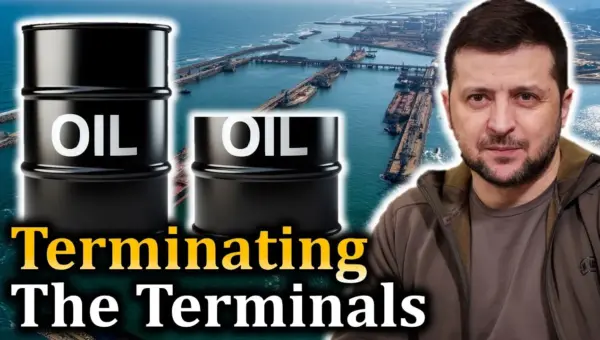
Ukraine Hits Oil Terminals, Halting 40% of Exports
Ukraine has successfully targeted Russia's oil export terminals, disabling 40% of the nation's export capacity. This strategic shift follows an evolving campaign against Russian energy infrastructure, now focusing on the limited number of export facilities to maximize disruption.

Iran Hacks Trump Official Amid Escalating Global Tensions
Iran has reportedly hacked into the emails of a former Trump administration official, raising security concerns. Meanwhile, US intelligence questions the effectiveness of strikes against Iran, and reports suggest Donald Trump's interest in the conflict is waning. The situation is further complicated by global economic impacts and allegations of bias within the US military.

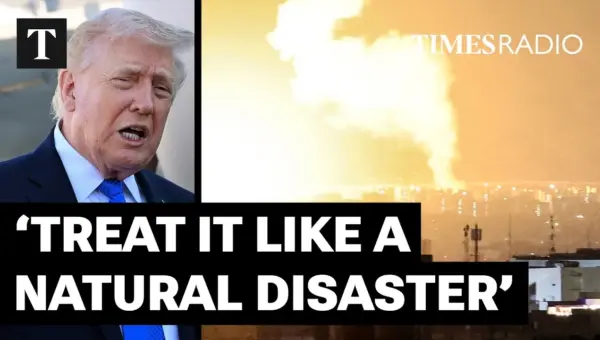
Trump’s ‘Game Show’ Diplomacy Sparks Mideast Chaos
Analysts are likening Donald Trump's "game show" approach to foreign policy to a natural disaster, arguing his unpredictable tactics have already caused significant damage to global markets and stability. The discussion highlights Iran's strategic advantage and raises concerns about "drift" in British politics regarding finances, energy, and national security.