Shutdown Sparks ICE Deployment, Airport Chaos
A Department of Homeland Security shutdown has led to the controversial deployment of ICE agents to airports, causing chaos and public anger. The political standoff over funding and the Save America Act highlights deep divisions, while international tensions with Iran add another layer of global instability.

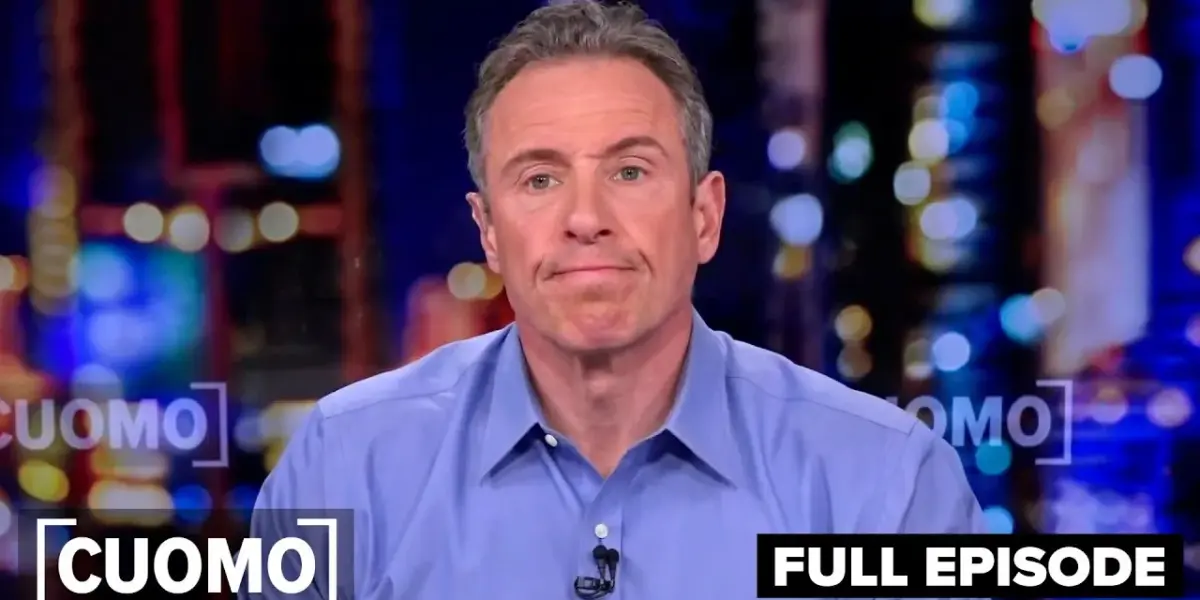
Shutdown Sparks ICE Deployment, Airport Chaos
A shutdown within the Department of Homeland Security (DHS) has led to a controversial deployment of Immigration and Customs Enforcement (ICE) agents to airports nationwide. This move has caused significant disruption and public outcry, highlighting the deep political divisions in Washington.
Political Gridlock Over Funding
The shutdown, now in its 38th day, stems from disagreements between Democrats and Republicans over funding for DHS. Both parties are using the situation to blame each other, while essential government workers, like TSA agents, go without pay. The core issue is funding for ICE, which, ironically, is already secured through 2029 by a separate bill. Republicans could pass a DHS funding bill that excludes ICE, or even pass a standalone ICE funding bill. However, the President has blocked the latter, linking DHS funding to the passage of his voter ID law, the Save America Act, and even suggesting the filibuster be removed to force it through.
The Save America Act Debate
The Save America Act proposes requiring photo ID to vote. While 80% of Americans support voter ID, the bill faces strong opposition due to concerns about its implementation. Critics argue that the burden of proving citizenship could disproportionately affect minority communities, married women, and college students, making it harder for them to vote. The bill also aims to restrict early voting and ban most mail-in voting, methods that have not been proven to be more susceptible to fraud. Many other democracies, like Switzerland and Germany, have robust mail-in voting systems.
ICE Deployment: A “Silly” Tactic?
In response to the shutdown and perceived political pressure, ICE agents have been deployed to at least 14 airports for immigration enforcement. However, former DHS officials view this as a performative act. Miles Taylor, former DHS Chief of Staff, called it “pure theater,” arguing that ICE agents are not trained for TSA duties like operating explosive detection equipment. He believes the deployment lacks forethought and is a distraction from the real goal: reopening the government and getting airports functioning normally. The President’s supporters, like former Deputy Homeland Security Secretary Ken Cuccinelli, defend the move, stating ICE agents are targets of domestic terrorism and need to protect their identities. He also clarified that ICE agents were apprehending individuals with removal orders, not US citizens, and that identifying themselves to a crowd is not legally required for their safety.
Airport Chaos and Public Distrust
The deployment has led to scenes of confusion and anger at airports. Videos circulating online show ICE agents seemingly unsure of their roles, adding to the tension. This situation, coupled with the ongoing political dispute, has created a “discomforting vibe” for travelers. Experts like Todd Yuri, a former air traffic controller, suggest that fatigue and staffing shortages among air traffic controllers, possibly exacerbated by the shutdown’s impact on morale and workload, may have contributed to a tragic accident at LaGuardia Airport. An Air Canada jet collided with a fire truck on the runway, killing two pilots. While investigators are examining communication breakdowns and controller fatigue, the broader impact of the shutdown on airport safety and efficiency is a growing concern.
Iran Ultimatum and Global Instability
Beyond domestic issues, the transcript touches on international tensions. The President issued an ultimatum to Iran regarding the Strait of Hormuz. While the administration claimed talks had begun, Iran denied this, creating further uncertainty. Experts like Aaron David Miller and General Wesley Clark warn that Iran has identified US vulnerabilities and can disrupt global energy transit. They suggest that either negotiations must succeed, or military action may be necessary to reopen the Strait. However, military action carries significant risks, including potential escalation and the difficult task of occupying Iranian territory. This complex situation highlights the delicate balance of power and the potential for international crises to spill over.
Global Impact
The events described illustrate how domestic political gridlock can have far-reaching consequences. The DHS shutdown, while seemingly a Washington-centric issue, directly impacts public safety and confidence through airport disruptions and potential safety compromises. The deployment of ICE agents to airports, intended as a political maneuver, has instead fueled public anger and distrust. Internationally, the rhetoric surrounding Iran and the Strait of Hormuz demonstrates how unresolved tensions can create global economic instability, particularly concerning energy supplies. The transcript suggests a pattern where political expediency and blame-shifting take precedence over practical solutions, leading to chaos and heightened risks both at home and abroad.
Source: ICE at Airports, Fatal LaGuardia Crash, Is Guthrie Case Going Cold? | CUOMO Full Show 3/23 (YouTube)

Related Articles
TSA Workers Get Paid After Record Absences
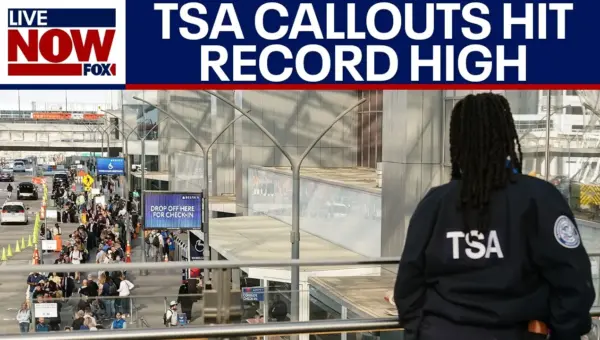
TSA agents will finally receive paychecks after working nearly six weeks without salary, following a directive from President Trump. Record high absences had strained airport operations and caused significant passenger delays. The situation has sparked calls for better protections for essential workers during government shutdowns.

House Republicans Reject Senate Deal, Sparking Government Funding Clash
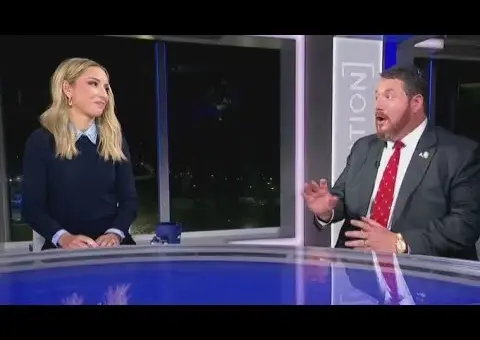
House Republicans have rejected a Senate bill to end the government shutdown, citing insufficient border security measures. Congressman Randy Fine called the Senate deal a "disgrace" and highlighted the ongoing fight for full government funding. President Trump's executive order to pay TSA agents offers temporary relief, but the core disagreement over border security continues to paralyze Washington.
House Rejects Senate Bill, Citing Border Security Funding Gaps
House Republicans are rejecting a Senate funding bill, arguing it lacks essential appropriations for ICE and CBP, threatening anti-trafficking efforts and border security. They plan to pass a short-term measure to force renewed negotiations.