US Offers Iran 15-Point Peace Plan Amid Tensions
The United States has proposed a 15-point plan to Iran aimed at de-escalating regional tensions, reportedly delivered via Pakistan. The proposal includes demands for Iran to dismantle nuclear sites and curb missile programs. However, Iran's military has publicly dismissed the efforts, while President Trump alluded to receiving a significant "gift" from Iran related to oil and gas.

US Offers Iran 15-Point Peace Plan Amid Tensions
The United States has presented Iran with a 15-point proposal aimed at easing tensions in the Middle East, according to The New York Times. The plan, reportedly delivered through Pakistan, comes as fighting intensifies in the region and economic consequences mount. It is currently unclear how widely the proposal has been shared among Iranian officials or if either Iran or Israel supports the initiative. These are seen as crucial factors for the plan’s potential success.
Key Demands and Iranian Response
Officials familiar with the diplomacy told The Wall Street Journal that the plan calls for Iran to dismantle three main nuclear sites and halt all uranium enrichment activities on its soil. It also reportedly asks Iran to suspend its ballistic missile program, reduce support for regional proxies, and fully reopen the Strait of Hormuz. In return, Iran would expect the U.S. to assist in monitoring its civilian nuclear program.
However, shortly after the plan was submitted, Iran’s military appeared to mock the peace efforts. A spokesman for the Iranian military stated in a video broadcast on state TV, “Have your internal conflicts reached the point where you are negotiating with yourselves?” He added, “Our first and last word has been the same from day one, and it will stay that way. Someone like us will never come to terms with someone like you. Not now, not ever.”
Trump’s ‘Present’ Remark
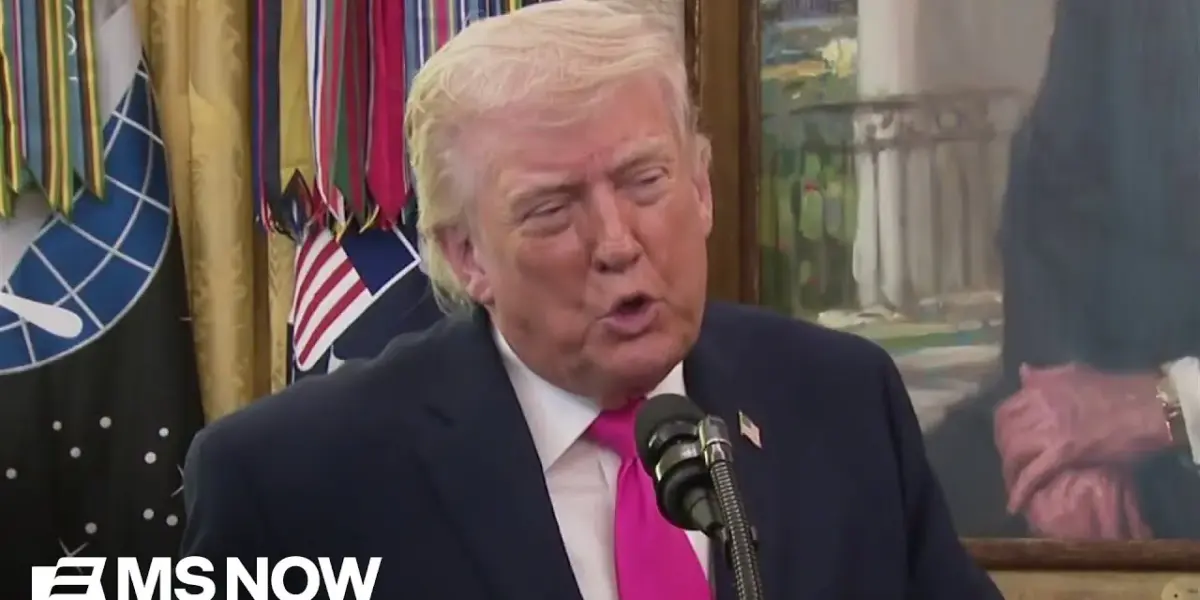
Despite Iran’s dismissive public statement, President Trump claimed during a press conference that negotiations were indeed taking place. When asked if he trusted the individuals the U.S. was negotiating with, Trump responded, “I don’t trust them.” He then explained his reasoning for continuing talks, stating, “Because they’re going to make a deal. They did something yesterday that was amazing, actually. They gave us a present, and the present was a very big present worth a tremendous amount of money.”
President Trump described the gift as significant and related to oil and gas, not nuclear matters. He suggested this action indicated that the U.S. was dealing with the “right people.” This comment came amid reports of U.S. military deployments, including the 82nd Airborne Division and two Marine amphibious units, heading to the Middle East. This move has led to confusion, with some analysts calling it a “fog of diplomacy,” where words and actions seem to contradict each other.
Military Deployments and Strategic Questions
The deployment of thousands of troops raises questions about their specific purpose. Experts note that units like the Marine Expeditionary Units (MEUs) and the 82nd Airborne’s Ready Brigade are typically rapid-response forces designed for initial crisis intervention. They are relatively small and stationary once deployed, suggesting they are part of a larger, unfolding plan.
“These two forces can form a lodgment, as the military calls it, but they can’t do a whole lot more until more follow-on forces come in,” one analyst explained. The deployment of the 82nd Airborne’s command post further suggests that larger troop movements are anticipated, but the logistics and mission for these additional forces remain unclear, especially given Iran’s size and terrain.
Allied Pressure and Market Stability
While President Trump appears focused on economic costs and a potential deal, allies like Saudi Arabia and Israel are reportedly pressuring the U.S. to take a harder line against Iran. Leaders in these regions want a decisive outcome, fearing ongoing exposure to Iranian threats. They believe the job is not finished until the Iranian regime is dismantled and replaced.
The 15-point proposal shares similarities with demands made before the conflict began. It includes calls for dismantling nuclear facilities at Natanz, Fordow, and Isfahan, and for the International Atomic Energy Agency (IAEA) to take control of enriched uranium. The U.S. would not directly intervene militarily but would support the IAEA’s oversight.
The Strait of Hormuz: A Key Issue
Analysts suggest that President Trump’s “gift” comment might relate to Iran’s recent statement about the Strait of Hormuz remaining open. Iran indicated that non-hostile ships were being granted free passage and suggested a willingness to negotiate terms for reopening the strait if they were favorable. Stabilizing the Strait of Hormuz is considered a critical issue for calming financial markets and reducing oil prices, making it a central point in the ongoing diplomatic efforts.
What’s Next?
The coming days will be crucial in understanding the true intentions behind these diplomatic and military maneuvers. The gap between U.S. demands and Iran’s stated positions remains wide, and Iran’s military rhetoric suggests significant skepticism about the peace process. Whether these talks can bridge the divide, or if escalating military posturing will take precedence, remains to be seen. The world watches to see if this complex diplomatic dance leads to de-escalation or further conflict.
Source: Trump claims Iran's new leaders 'gave us a present' (YouTube)

Related Articles

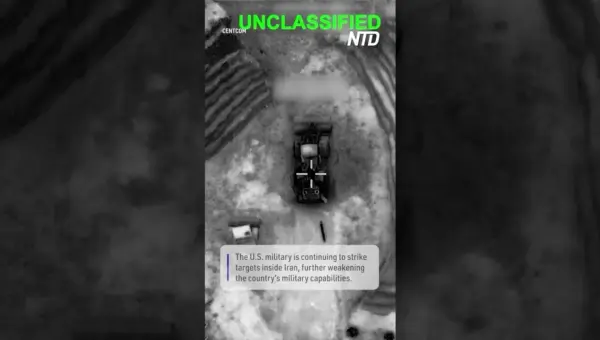
US Strikes Cripple Iran’s Military Might, CENTCOM Reports
U.S. Central Command reports ongoing strikes inside Iran are significantly weakening its military power. This direct action aims to reshape regional security dynamics, but carries risks of escalation. The long-term impact depends on Iran's response and ability to adapt.

U.S. Iran Tensions Rise Amid Shifting Alliances
Rising tensions between the U.S. and Iran are creating a volatile geopolitical situation. With conflicting signals on de-escalation and potential shifts in alliances like NATO and U.S.-Israel relations, the path forward remains uncertain. The global economy and regional stability hang in the balance.


Iran Targets US With Cyberattacks, Escalating Digital Warfare
Iran is increasingly using cyberattacks to challenge the U.S., as seen in a recent hack of the FBI director's account. Experts say this is a strategic shift due to Iran's limitations in conventional warfare. The U.S. needs to strengthen its digital defenses, focusing on encryption and cloud computing, rather than solely relying on traditional security measures.