Global Growth Slows Amid Iran Conflict Data
New economic data confirms a global growth slowdown, with rising costs and weakening activity across major economies. This reality contrasts with market optimism fueled by diplomatic talks, as the ongoing Middle East conflict disrupts vital energy routes and supply chains.

Global Growth Slows Amid Iran Conflict Data
New economic data reveals the global economy is facing a slowdown, with rising costs and weakening growth across major nations. This comes as conflict in the Middle East continues, disrupting vital energy routes. For the first time, real-world economic damage is being measured, moving beyond theoretical concerns.
Middle East Conflict Intensifies
Despite ongoing diplomatic efforts, the military situation in the Middle East is escalating. In the last 24 hours, missile and drone attacks have continued across several countries in the region. The United States has reportedly sent an additional thousand troops from the 82nd Airborne Division to the Middle East, adding to the approximately 50,000 already stationed there. This buildup suggests that military tensions are increasing, even as talks of negotiation proceed.
Disruption to Vital Shipping Lanes
The ongoing conflict has led to the closure of the Strait of Hormuz, a critical waterway for global energy transport. Roughly 20% of the world’s oil and gas supplies pass through this strait daily. The blockage directly contributes to higher energy costs and supply chain problems, ultimately slowing down global economic growth.
Diplomatic Efforts Face Challenges
Former U.S. President Donald Trump has presented what is described as a 15-point plan aimed at ending the conflict. Reports suggest this plan includes a ceasefire, discussions on dismantling Iran’s nuclear program, an end to support for groups like Hezbollah, and the reopening of shipping routes. Trump has expressed optimism, stating that Iran is interested in a deal and that progress is being made.
However, Iran’s response has been markedly different. A senior Iranian military official appeared on television and appeared to dismiss the idea of negotiations, suggesting the U.S. was negotiating with itself. Iran’s leadership has also indicated no intention of striking a deal, citing a lack of trust due to recent military actions during potential negotiation periods. This stark contrast highlights a significant gap between the two sides’ perspectives.
Market Reaction Shows Optimism
Financial markets have reacted positively to the prospect of a diplomatic resolution. Following statements from Donald Trump about potential progress, stock markets have seen gains, and oil prices have fallen back below $100 per barrel. This shows that markets are eager for signs of stability and tend to rally when there is even a hint of an end to the conflict. Investors are looking for a return to normalcy as quickly as possible.
Economic Data Paints a Different Picture
Despite market optimism, recent economic data suggests a more challenging reality. The Purchasing Managers’ Index (PMI) for March, a survey of thousands of businesses worldwide, shows a clear slowdown. The PMI is a key indicator: a score above 50 means the economy is growing, while a score below 50 indicates contraction.
- Europe: Growth has nearly stalled, with activity barely above the 50 mark.
- United Kingdom: Growth has slowed significantly, with businesses reporting sharp cost increases for fuel, transport, and raw materials.
- United States: Overall growth is weaker, particularly in the services sector, with rising costs and uncertainty being reported.
- Japan: Growth is slowing, and input costs are rising, partly due to its reliance on energy imports.
- India: Growth has slowed to its lowest level in several years as costs escalate rapidly.
- Australia: The PMI has fallen below 50, indicating that the private sector is now contracting.
This data indicates a global trend of slowing growth combined with rising prices. This creates a difficult position for central banks, which must balance supporting economic growth with controlling inflation.
Market Impact: Disconnect Between Sentiment and Reality
There is a clear disconnect between the positive sentiment in financial markets and the economic data. Markets are pricing in a swift resolution, while the economic indicators suggest that damage is already occurring. The key question for the remainder of the year is the extent of this lasting damage.
Even if the conflict were to end immediately, the effects on supply chains, costs, and overall business confidence would not disappear overnight. The economic impact of the war is now tangible, marked by slower growth, increased costs, and rising uncertainty in many major economies. In some cases, like Australia, economic contraction is already underway.
With no clear end in sight for the conflict, and diplomatic and military situations remaining active, the risks to the global economy remain significant. Investors must consider whether current market optimism is justified given the persistent economic headwinds and ongoing geopolitical instability.
Source: Data Shock (YouTube)

Related Articles
Iran Missile Strikes Injure US Troops, Raise War Concerns
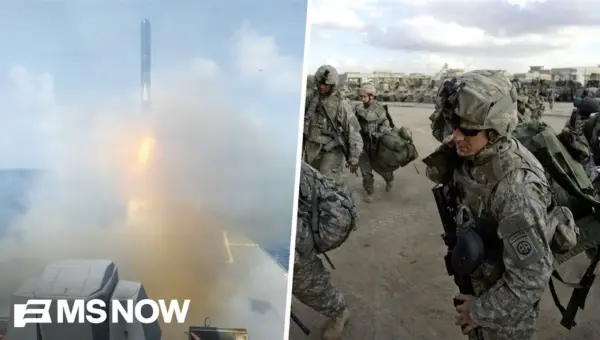
Iranian missile strikes have injured U.S. service members, escalating tensions as the conflict nears one month. The attacks are raising concerns about the effectiveness of U.S. military strategy and the depletion of crucial missile stockpiles. Global oil prices have surged, impacting economies worldwide.

Saudi Arabia Pushes US for Iran War, Report Claims
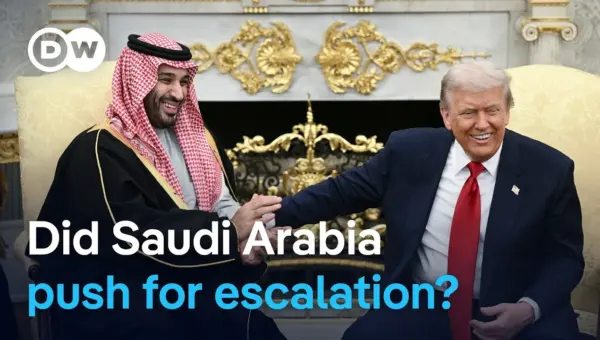
Saudi Arabia's Crown Prince Mohammed bin Salman has reportedly urged the US to escalate military action against Iran, viewing it as an opportunity to reshape the Middle East. While Saudi officials deny the report, the push comes amid increased Iranian attacks on Saudi oil infrastructure. Experts suggest a complex dynamic where Saudi Arabia seeks US intervention while also managing the risks of regional instability.


Israelis Forge Resilience Amidst Constant Bomb Shelter Drills
Life in Israel is a blend of resilience and constant vigilance, with many families adapting to frequent bomb shelter drills and even sleeping in makeshift shelters. Despite ongoing missile attacks, Israelis strive to maintain normalcy, though businesses face disruption and emotional fatigue is a growing concern.