Pentagon Closes Media Office Amid War, Sparks Outcry
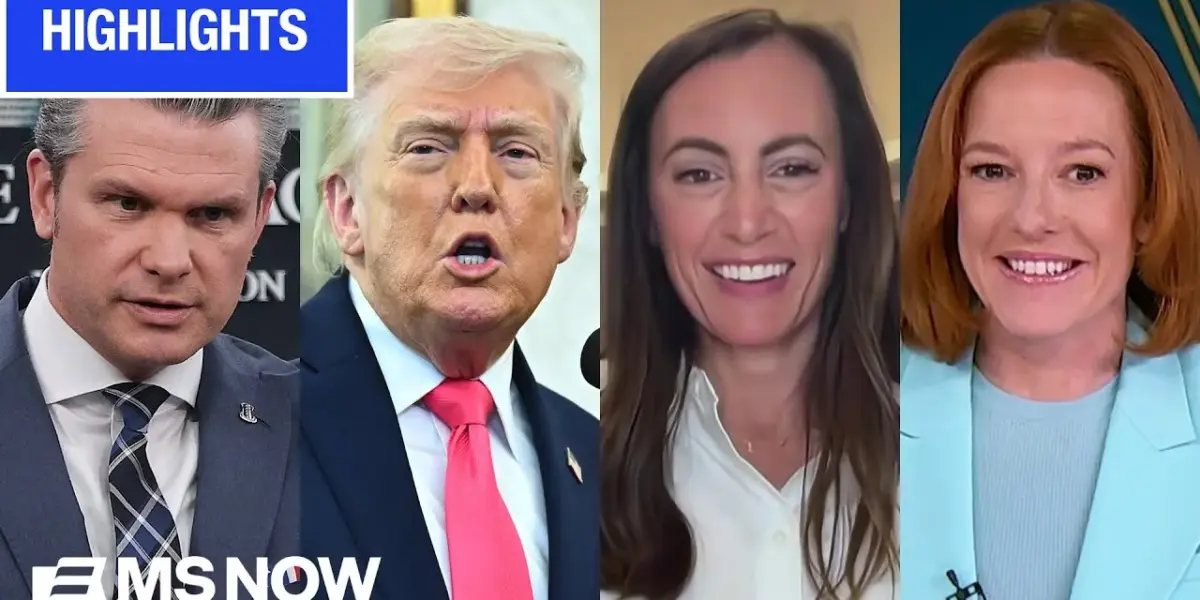
The Pentagon has closed its media offices, sparking outrage from journalists and critics who see it as an attempt to evade a recent court ruling. The move comes as the U.S. is engaged in a war, raising concerns about transparency and public access to information. Separately, a special election in Florida saw a Democrat win in Donald Trump's home district, signaling a political rebuke.

Pentagon Shuts Down Media Corridor Amidst War
In a move drawing sharp criticism, the Department of Defense has closed the “Correspondence Corridor” at the Pentagon. This area has been used by reporters for decades to cover military matters. The closure comes just days after a federal judge ruled a new, restrictive press policy unconstitutional. The New York Times had sued the Pentagon, arguing the policy violated free speech and due process rights. A judge agreed, ordering the department to restore credentials to journalists who refused to comply with the new rules.
Defense Department Appeals Ruling, Critics See Evasion
The Pentagon is appealing the judge’s decision. Critics, including journalists who refused to sign the new policy, view the closure of the media office as an attempt to bypass the spirit of the court’s ruling. “The Pentagon responded by saying, ‘We’re actually going to come up [with] different kinds of restrictions. We’re going to close spaces,'” one journalist noted. This action, they argue, aims to push reporters out entirely rather than follow the judge’s order.
Impact on War Reporting and Public Understanding
Journalists emphasize the importance of open access, especially during wartime. They argue that current press briefings are heavily controlled, with questions often pre-selected by the department. This makes it difficult to ask follow-up questions or get clear answers about the conflict. “It’s very hard to ask follow-ups. Those of us who didn’t sign the agreement have to yell questions um to get them. And we’re not getting a very basic understanding of this war,” one reporter stated.
Lack of Clarity on War Progress
An example cited involved claims of destroying 90% of Iran’s missile and drone capabilities, while those same forces continue to target allies. The controlled environment of press conferences prevents journalists from asking why this is happening. The ability to question officials and receive precise details is crucial for public accountability. “When administration officials don’t have to answer questions, don’t have to provide precise details, it translates on the battlefield because that accountability is how we determine whether wars are going well or not,” a journalist explained.
Broader Implications for Information Access
The situation is further complicated by censorship in other countries involved in the conflict. Iran reportedly restricts internet access, controlling the narrative. Israel has strict military censorship rules. This creates a challenging environment for reporting. “So when you look at this war in this age of information and how important it is, the three major participants in this country uh in this war, excuse me, these countries all have some form of censorship taking place that is denying the people what is actually happening on the ground,” a commentator observed.
Florida Election Delivers Rebuke to Trump
In unrelated but significant political news, Florida’s 87th state house district, which includes Mar-a-Lago, has elected a Democrat. Emily Gregory won a special election in a district previously carried by Donald Trump by 11 points. Trump had endorsed the Republican candidate, John Maples, and even voted by mail in the district himself. This outcome represents a significant swing towards Democrats and a public rejection of Trump’s influence in his own backyard.
Questions Surround War Strategy and Negotiations
The transcript also touched upon the ongoing conflict, with claims of successful peace talks and significant victories. However, reports from Iran and Israel contradicted these assertions, suggesting the U.S. might be fabricating progress to stabilize oil prices and markets. The situation appears complex, with conflicting messages about negotiations and military actions, including potential escalations and troop deployments.
Justice Department Investigation Faces Scrutiny
Finally, the transcript mentioned a Justice Department investigation into Federal Reserve Chair Jerome Powell. A prosecutor reportedly admitted to a judge that the department lacked evidence of wrongdoing regarding building renovations. A federal judge later quashed subpoenas in the case, calling it “so thin and unsubstantiated.” This raises questions about the basis and motives behind such investigations.
Source: MS NOW Highlights – March 24 (YouTube)

Related Articles
Pentagon Chief Blocks Black, Female Officers’ Promotions
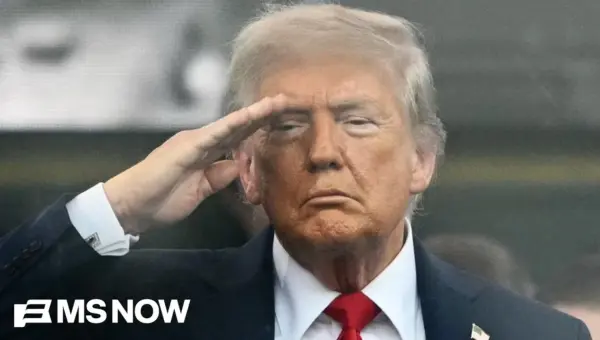
Pentagon chief Pete Hegseth is reportedly blocking the promotions of four Army officers, two Black and two women, to one-star general. This decision follows reports of alleged discriminatory remarks made by a top aide to Secretary Hegseth regarding President Trump's comfort standing with Black female officers.

Pentagon Weighs 10,000 Troops for Iran Showdown
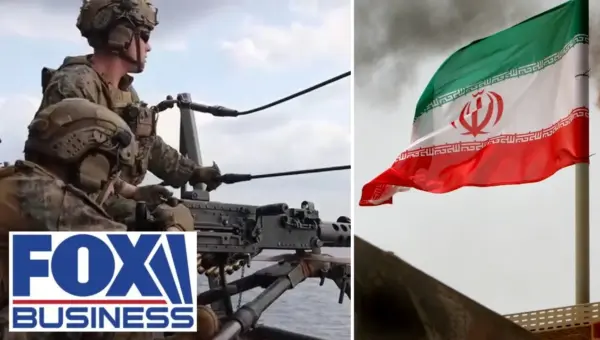
The Pentagon is reportedly weighing a significant troop increase of 10,000 soldiers to the Middle East, potentially escalating tensions with Iran. This move comes amid reports of U.S. precision strikes and interceptions of Iranian missiles by allies, raising concerns about regional stability and global oil supplies.

General Blasts “Comic Book Tough Guy” Over Officer Promotions
A four-star general has criticized Pentagon leadership, calling it a "comic book tough guy" over the alleged blocking of promotions for two Black and two female officers. This controversial move raises concerns about discrimination and its impact on military morale during a critical geopolitical period.