US Envoy Warns of ‘Substantial’ Risk to Sailors in Hormuz
Former Trump envoy Elliot Abrams warns that forcing open the Strait of Hormuz poses substantial risks to American sailors. While military options are plausible, the potential for Iranian retaliation remains a significant concern. Abrams also discussed ongoing, though uncertain, negotiations between the U.S. and Iran.

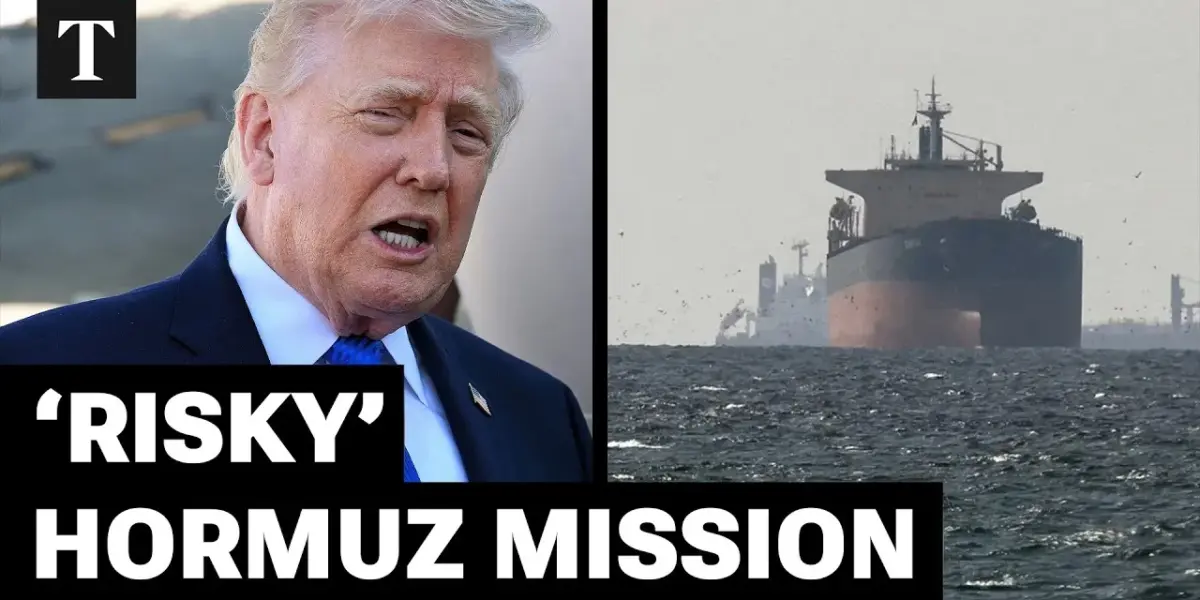
US Envoy Warns of ‘Substantial’ Risk to Sailors in Hormuz
Former Trump administration official Elliot Abrams has voiced serious concerns about the potential dangers to American lives if the U.S. attempts to force open the Strait of Hormuz. Abrams, who served as special representative to Iran, highlighted the significant risks involved in military action aimed at securing the vital shipping lane.
Strait of Hormuz: A Vital and Vulnerable Waterway
The Strait of Hormuz is a narrow waterway connecting the Persian Gulf to the open ocean. It is one of the world’s most important oil transit points, with a significant portion of global oil supply passing through it daily. However, Iran has in the past threatened to close the strait, creating major global economic concerns.
Negotiations Amidst Escalation
Reports suggest that the U.S. has presented Iran with a 15-point plan to end the ongoing conflict. This plan reportedly includes strict limits on Iran’s nuclear program and demands the reopening of the Strait of Hormuz. However, Abrams expressed skepticism about the accuracy of these reports, noting that the stated conditions of both the U.S. and Iran do not appear to overlap significantly. This makes the prospects for successful negotiations uncertain.
Despite talk of negotiations, the U.S. is also increasing its military presence in the region. Thousands of U.S. paratroopers have reportedly been sent to the area. Abrams suggested this troop movement serves multiple purposes: to prepare for potential military action, to test the possibility of a diplomatic solution, and to ease pressure on oil prices and stock markets. He also believes it acts as an additional pressure tactic on Iran.
The Risks of Forcing Open the Strait
General Jack Keane, former Vice Chief of Staff of the U.S. Army, expressed confidence that the U.S. military could reopen the Strait of Hormuz and ensure safe passage for shipping. He stated that plans are in place and that the U.S. is working to neutralize Iran’s ability to retaliate.
However, Elliot Abrams cautioned that while militarily plausible, opening the strait carries significant risks. “The question is really, will the president want to take the risk that the Iranians have one lucky shot and kill a very substantial number of American sailors?” Abrams asked. He explained that forcing the strait would require striking Iranian sites along the coast to reduce their attack capabilities. It would also necessitate a large naval escort for tankers, a mission that could involve contributions from other countries.
Potential for Ground Operations
Beyond naval operations, Abrams discussed the possibility of U.S. troops landing on small islands within the Strait of Hormuz or along the coastline to secure the waterway. He also raised the prospect of U.S. forces seizing or destroying a reported 440 kilograms of highly enriched uranium within Iran.
Abrams acknowledged that President Trump has historically been hesitant to put American troops in harm’s way, recalling the disastrous U.S. rescue attempt in Iran in 1980. However, he did not rule out the possibility of such an operation if the President were convinced it could succeed, citing the capabilities of U.S. special operations forces.
Key Figures and Uncertainties
The role of Iran’s Parliament Speaker, Mohammad Bagher Ghalibaf, is also being closely watched. With little public communication from the new Supreme Leader, Mojtaba Khamenei, Ghalibaf appears to be an increasingly influential figure. Abrams noted that Ghalibaf has been a strong presence and a potential presidential candidate in the past, suggesting he is emerging as the most important person in the current Iranian political landscape, though his ability to deliver on negotiation outcomes remains unclear.
Looking Ahead
The situation remains complex, with ongoing diplomatic efforts potentially overshadowed by military posturing. The coming weeks will be crucial in determining whether negotiations can yield results or if escalating tensions will lead to direct military confrontation in the Strait of Hormuz, with profound implications for regional stability and global energy markets.
Source: Forcing Open Strait Of Hormuz Risks ‘Substantial’ American Lives | Trump's Former Iran Envoy (YouTube)

Related Articles

US Strikes Cripple Iran’s Military Might, CENTCOM Reports
U.S. Central Command reports ongoing strikes inside Iran are significantly weakening its military power. This direct action aims to reshape regional security dynamics, but carries risks of escalation. The long-term impact depends on Iran's response and ability to adapt.

U.S. Iran Tensions Rise Amid Shifting Alliances
Rising tensions between the U.S. and Iran are creating a volatile geopolitical situation. With conflicting signals on de-escalation and potential shifts in alliances like NATO and U.S.-Israel relations, the path forward remains uncertain. The global economy and regional stability hang in the balance.


Iran Targets US With Cyberattacks, Escalating Digital Warfare
Iran is increasingly using cyberattacks to challenge the U.S., as seen in a recent hack of the FBI director's account. Experts say this is a strategic shift due to Iran's limitations in conventional warfare. The U.S. needs to strengthen its digital defenses, focusing on encryption and cloud computing, rather than solely relying on traditional security measures.