German President Slams Trump’s Iran War as Illegal
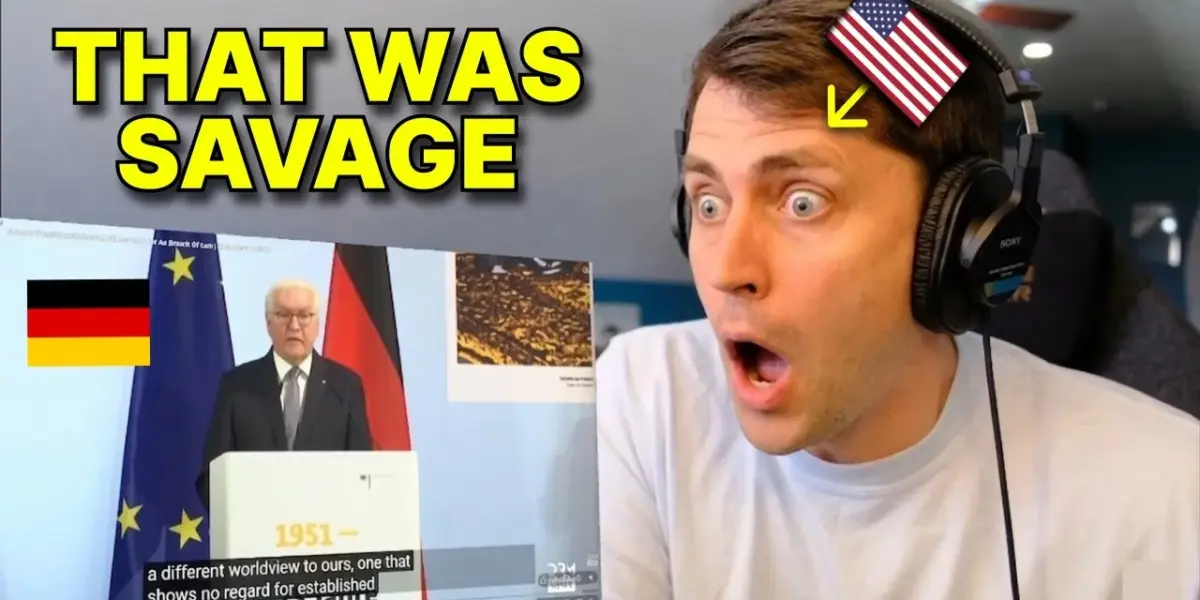
German President Frank-Walter Steinmeier sharply criticized the Trump administration's war in Iran, calling it a breach of international law and a political disaster. He questioned the justification of an imminent attack and highlighted a deep loss of trust in U.S. foreign policy among allies. The comments underscore a growing rift in international relations.

German President Slams Trump’s Iran War as Illegal
German President Frank-Walter Steinmeier has strongly criticized the Trump administration’s actions regarding Iran, calling the war a “breach of international law” and a “politically disastrous mistake.” These sharp words, delivered in English, highlight a deep rift between German and American foreign policy views. The German President’s statement directly challenges the justification for military action, particularly the claim of an “imminent attack” on the U.S.
Challenging the Justification for War
Steinmeier argued that the justification for the war, based on an imminent threat from Iran, “does not hold water.” He pointed out that the U.S. intelligence community itself had assessed that Iran’s nuclear enrichment program had been “obliterated” and that there was no effort to rebuild it. This contradicts the narrative of an urgent nuclear threat that might have been used to justify military intervention. The transcript notes that even a Trump loyalist within the intelligence community supported this assessment, stating clearly that Iran’s nuclear capabilities were destroyed and not being rebuilt.
A Politically Disastrous and Avoidable War
Beyond the legality and justification, Steinmeier labeled the war as a “politically disastrous mistake” and, more importantly, an “avoidable one.” He suggested that the U.S. administration’s “worldview” shows “no regard for established rules, partnership or hard-won trust.” This implies a fundamental disagreement on how international relations should be conducted. The speaker in the video expresses agreement, finding it surprising that Trump, who campaigned on an anti-war platform, would initiate such a conflict. It’s described as “mind-blowing” and a potential test of his supporters’ loyalty.
Loss of Trust and Credibility
Steinmeier expressed a somber outlook, stating that “the rupture is too deep and the loss of trust in American superpower politics is evident not only among our allies, but as you can see, at least as clearly as I do worldwide.” He believes there will be “no going back to the way things were” in transatlantic relations. The speaker echoes this sentiment, acknowledging that even with a change in U.S. leadership, the damage to America’s credibility might be long-lasting. This loss of trust makes allies question their ability to rely on the United States.
Historical Context and Background
The critique comes at a time when international alliances are being tested. Historically, the U.S. has often led international coalitions and enforced international law. However, under the Trump administration, there have been instances of challenging long-standing alliances and international agreements. The reference to the Gaza war suggests a pattern of U.S. actions that have drawn criticism for potentially violating international norms. The speaker draws parallels to U.S. actions in Venezuela, suggesting a pattern of behavior that prioritizes perceived national interest over international law and trust.
Concerns about Corruption and Insider Trading
The video also touches upon concerns regarding potential corruption and insider trading related to the Iran conflict. The speaker mentions a tweet by Trump about peace talks with Iran, which Iran reportedly denied. This tweet was released just before the stock market opened, and there was a significant spike in options volume beforehand, suggesting someone might have had prior knowledge. A large contract was reportedly bought against oil, anticipating a price drop. This is described as “total corruption” and an “insider job,” with the implication that such actions are brazenly carried out because there is a belief that no consequences will follow.
Why This Matters
This analysis is crucial because it highlights a significant divergence in foreign policy between a key U.S. ally and the United States itself. When a respected leader like the German President openly questions the legality and wisdom of U.S. military actions, it signals a breakdown in trust and international cooperation. This can weaken alliances, embolden adversaries, and destabilize global security. The implications extend to how international law is interpreted and enforced, and whether nations can rely on established norms and partnerships in times of crisis. The concerns about corruption also raise questions about the integrity of decision-making processes and their impact on global markets and public trust.
Implications, Trends, and Future Outlook
The trend indicated by President Steinmeier’s remarks is a growing skepticism among traditional allies regarding U.S. foreign policy under the current administration. This could lead to a more fragmented international order, where countries pursue their interests more independently. The future outlook suggests a challenging period for transatlantic relations, with a need to rebuild trust and re-establish a common understanding of international rules. The potential for increased geopolitical instability is high if major powers operate without regard for established norms. The speaker’s hope for impeachment and a new administration suggests a desire for a return to more traditional diplomacy, but the deep damage to trust may take a long time to repair.
Source: American reacts to German President SLAMS Trump and calls Iran war Illegal (YouTube)

Related Articles
U.S. Iran Tensions Rise Amid Shifting Alliances
Rising tensions between the U.S. and Iran are creating a volatile geopolitical situation. With conflicting signals on de-escalation and potential shifts in alliances like NATO and U.S.-Israel relations, the path forward remains uncertain. The global economy and regional stability hang in the balance.


Iran Targets US With Cyberattacks, Escalating Digital Warfare
Iran is increasingly using cyberattacks to challenge the U.S., as seen in a recent hack of the FBI director's account. Experts say this is a strategic shift due to Iran's limitations in conventional warfare. The U.S. needs to strengthen its digital defenses, focusing on encryption and cloud computing, rather than solely relying on traditional security measures.
Ukraine Strikes Russian Oil Refinery, Eyes Iran Threat
Ukrainian forces struck a key Russian oil refinery, disrupting Moscow's war capabilities. Meanwhile, Finland's president urged continued U.S. support for Ukraine, as Kyiv shares its air defense expertise globally amid growing geopolitical complexities involving Iran and potential sanctions against Hungary.