US Secures Release of American Held by Taliban
American citizen Dennis Coyle has been freed from detention in Afghanistan after over a year. Special envoy Adam Boehler detailed the diplomatic efforts behind the release. This event highlights ongoing U.S. engagement with the Taliban government, driven by citizen safety and complex geopolitical interests.


US Secures Release of American Held by Taliban
An American citizen, Dennis Coyle, has been freed from detention in Afghanistan after being held for over a year. The release, confirmed on Tuesday, marks a significant diplomatic effort by the United States to secure the freedom of its citizens abroad.
Diplomatic Breakthrough Achieved
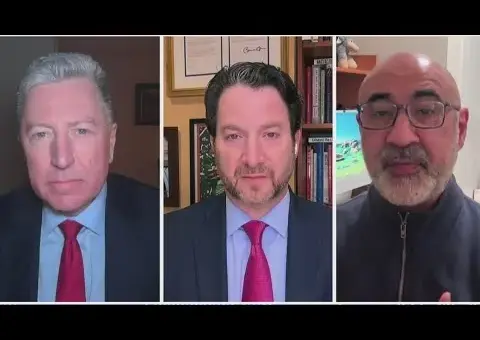
Dennis Coyle, the American who was held by Afghan authorities, spoke about his experience after his release. He expressed feeling ‘very blessed’ to be free. Adam Boehler, the special envoy for hostage response for the U.S. State Department, joined the discussion to explain the process behind Coyle’s freedom.
The U.S. government has been working to secure the release of Americans detained in Afghanistan since the Taliban regained control of the country in August 2021. These efforts often involve complex negotiations and sensitive diplomatic channels. Coyle’s case highlights the ongoing challenges faced by the U.S. in dealing with the current Afghan government.
Interests and Motivations at Play
For the United States, the primary interest is always the safety and return of its citizens. The special envoy for hostage response plays a crucial role in coordinating these efforts, working behind the scenes to find solutions. The U.S. government aims to demonstrate its commitment to its citizens, regardless of where they are located.
The Taliban authorities in Afghanistan have their own set of motivations. They may seek international recognition or the easing of sanctions. Securing the release of foreign nationals can sometimes be used as a bargaining chip in these broader political and economic discussions. It can also be a way to show a degree of cooperation with international actors.
Historical Context and Current Realities
The situation in Afghanistan is a direct result of the withdrawal of U.S. and NATO forces and the subsequent Taliban takeover. For over two decades, the U.S. had a significant military and diplomatic presence in the country. The current dynamic involves the U.S. engaging with a government it does not officially recognize.
This type of diplomatic engagement, even for humanitarian reasons like securing the release of detainees, is a delicate balancing act. It walks a fine line between providing assistance and legitimizing the Taliban regime. Past negotiations involving the release of prisoners or hostages have often been complex, involving third-party mediation and significant concessions.
Economic and Political Considerations
The U.S. has imposed sanctions on Afghanistan, limiting its access to international finance and aid. The Taliban government has been seeking relief from these sanctions. The release of American detainees can be seen as a positive step that might influence discussions on economic aid or the unfreezing of Afghan assets held abroad. However, the extent of any potential concessions remains uncertain.
Adam Boehler’s role as special envoy signifies the seriousness with which the U.S. views these detentions. His involvement suggests a high-level diplomatic effort was undertaken. The specifics of the agreement that led to Coyle’s release have not been made public, which is common in such sensitive negotiations.
Global Impact and Future Scenarios
The release of Dennis Coyle is a humanitarian success for the individuals involved. On a larger geopolitical scale, it represents a small step in the complex relationship between the U.S. and the Taliban. It may open avenues for further, albeit limited, dialogue on other issues, such as humanitarian aid or counter-terrorism concerns.
One future scenario is that such releases could become a recurring feature, with the Taliban using them to negotiate for sanctions relief or other benefits. Another scenario is that these remain isolated incidents, with broader diplomatic progress stalled due to fundamental disagreements on governance and human rights. The U.S. will likely continue to prioritize the safety of its citizens while carefully managing its engagement with the Taliban government, avoiding actions that could be seen as full recognition.
The long-term implications will depend on the broader political and security situation in Afghanistan and the evolving foreign policy of the United States towards the region. Securing the release of one citizen is a victory, but it does not resolve the complex challenges facing Afghanistan or its relationship with the international community.
Source: Dennis Coyle 'very blessed' to be freed from Taliban | CUOMO (YouTube)

Related Articles


Stocks Ignore War Risks, Focus on “Taco Moments”
Stock markets appear to be overlooking the severe supply chain risks stemming from the Iran conflict, focusing instead on potential diplomatic de-escalations. While the S&P 500 shows resilience, bond and commodity markets signal deep concern over disruptions to critical resources like LNG, helium, and fertilizers.

U.S. Iran Tensions Rise Amid Shifting Alliances
Rising tensions between the U.S. and Iran are creating a volatile geopolitical situation. With conflicting signals on de-escalation and potential shifts in alliances like NATO and U.S.-Israel relations, the path forward remains uncertain. The global economy and regional stability hang in the balance.


Iran Targets US With Cyberattacks, Escalating Digital Warfare
Iran is increasingly using cyberattacks to challenge the U.S., as seen in a recent hack of the FBI director's account. Experts say this is a strategic shift due to Iran's limitations in conventional warfare. The U.S. needs to strengthen its digital defenses, focusing on encryption and cloud computing, rather than solely relying on traditional security measures.