Russia Strikes Ukraine With Over 550 Drones
Russia launched over 550 drones and missiles in a massive, wide-ranging assault across Ukraine. Attacks targeted the energy sector, civilian infrastructure, and historic sites, causing casualties and damage. Ukraine calls for increased international pressure and enhanced air defense cooperation.

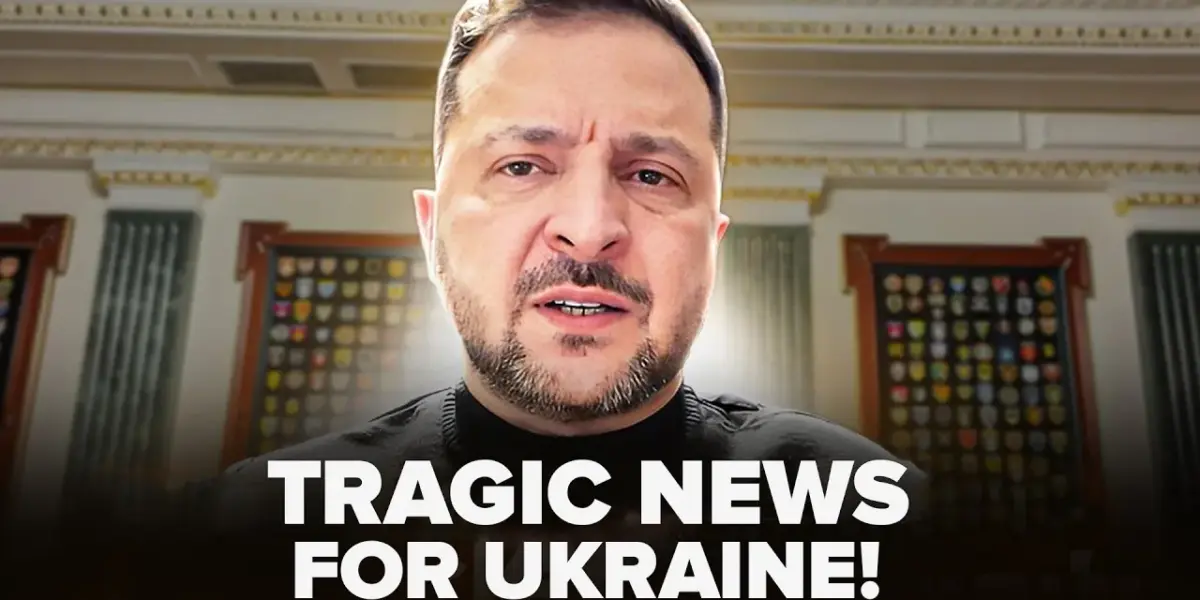
Russia Unleashes Massive Drone Barrage Across Ukraine
Ukraine faced a relentless assault as Russia launched over 550 drones of various types in a single day. This significant aerial bombardment, including a large night-time strike combining missiles and drones, targeted a wide geographical area across Ukraine. While Ukrainian air defenses successfully intercepted more than 500 of these aerial threats, some drones managed to strike civilian infrastructure and residential areas.
Civilian Areas Hit in Multiple Regions
The drone attacks caused damage and casualties in several regions. Hits were reported in Lviv, Ivano-Frankivsk, Ternopil, Vinnytsia, Zhytomyr, Kropyvnytskyi, Rivne, Kharkiv, and Dnipropetrovsk. Tragically, over 40 people were injured, including five children. Medical assistance is being provided to all those affected.
Energy Sector and Historic Sites Targeted
Russia’s primary objective appeared to be Ukraine’s energy sector, continuing a campaign to disrupt the nation’s power grid. However, the strikes also impacted civilian buildings, including the historic center of Lviv. A fire broke out in the buildings of St. Andrew’s Church in Lviv, a landmark dating back to the early 17th century. The use of Iranian Shahed drones, reportedly modernized by Russia, to hit a church was condemned as a “perversion.” Additionally, a maternity hospital in Ivano-Frankivsk sustained damage.
Russia’s Intentions and Lack of Peace Signals
Ukrainian President Volodymyr Zelensky stated that the scale of the attack demonstrates Russia’s continued unwillingness to end the war. He suggested that Russia’s support for the Iranian regime in striking the wider region indicates a persistent aggressive stance. Zelensky emphasized that without increased pressure and significant Russian losses, Moscow is unlikely to seek peace. He pointed to eased sanctions against Russia, which he claims will generate at least $2 billion in revenue for Moscow in the coming weeks, as a signal that encourages continued aggression.
Call for Increased International Pressure and Air Defense
The drone attacks underscore the need for greater international coordination and pressure on Russia. Zelensky called for enhanced control over the supply of microelectronics and components used in weapon production, urging increased domestic production of defense systems in Europe and elsewhere. He stressed the importance of modern, multi-component, and collective air defense systems, where nations work together to protect shared skies.
Diplomatic Efforts Stall
Recent diplomatic efforts have yielded little progress. A Ukrainian negotiating team reported no significant advancements in talks with the United States. Zelensky reiterated that Russia does not appear ready for genuine peace negotiations. He urged global actors to work towards making Russia genuinely interested in diplomacy, rather than simply profiting from oil sales or gaining time for further aggression. The ultimate goal, he stated, is to achieve secure peace and respond effectively to attacks.
Strategic Implications
This widespread drone attack highlights Russia’s continued strategy of targeting Ukraine’s critical infrastructure, particularly its energy sector. By aiming to cripple power generation and distribution, Moscow seeks to undermine Ukraine’s economic stability and public morale. The attacks on civilian areas, including a historic church and a maternity hospital, indicate a disregard for civilian life and cultural heritage, potentially serving as a tactic to sow fear and disrupt daily life. The sheer volume of drones employed suggests a sustained effort to overwhelm Ukrainian air defenses, forcing them to expend valuable interceptor munitions. The mention of Iranian Shahed drones points to ongoing military cooperation between Russia and Iran, a relationship with broader geopolitical implications in the Middle East and beyond. The call for enhanced control over electronic components also signals a growing awareness of the complex, globalized supply chains that fuel modern warfare, and the need for international cooperation to disrupt them.
Historical Parallels
The current conflict bears some resemblance to the strategic bombing campaigns of World War II, where industrial centers and civilian populations were targeted to break the enemy’s will to fight. However, the use of relatively low-cost, mass-produced drones like the Shahed represents a modern adaptation of such tactics. These drones can be deployed in large numbers, overwhelming sophisticated air defense systems through sheer saturation, a concept known as “swarming.” This approach aims to achieve effects similar to more costly missile strikes but at a fraction of the price, making sustained attacks more feasible for Russia.
Source: ⚡️Zelensky delivered TRAGIC NEWS. Hear the horror caused by Russia. ATTACK DETAILS (YouTube)

Related Articles

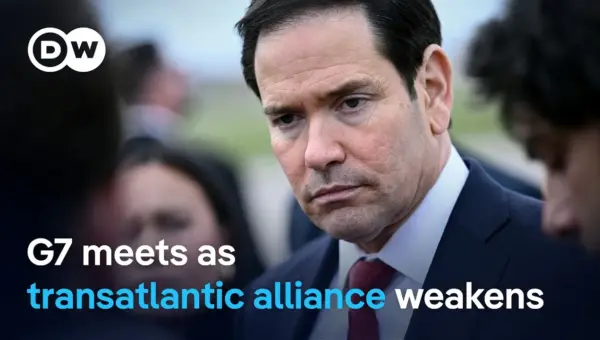
G7 Allies Clash Over Iran War Strategy, Urge Focus on Russia
G7 foreign ministers met in Paris, revealing deep divisions over the U.S. war with Iran. European allies urged the U.S. to pressure Russia, linking its actions to the conflict and fearing support for Ukraine will wane.

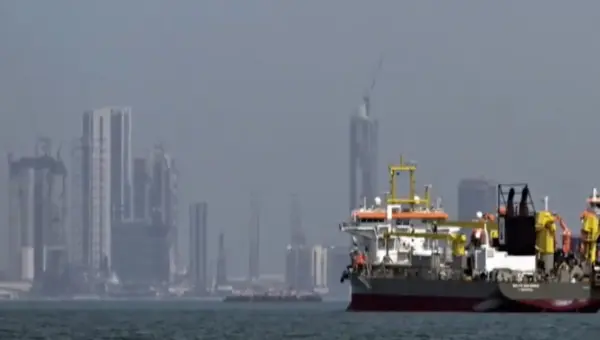
Iran Blocks China Ships, Exposing Beijing’s Weak Grip
Iran's recent decision to block Chinese ships at the Strait of Hormuz is exposing the limits of Beijing's influence in the Middle East. This action is causing delays and cancellations for Chinese manufacturers, turning a perceived geopolitical win into an economic strain.
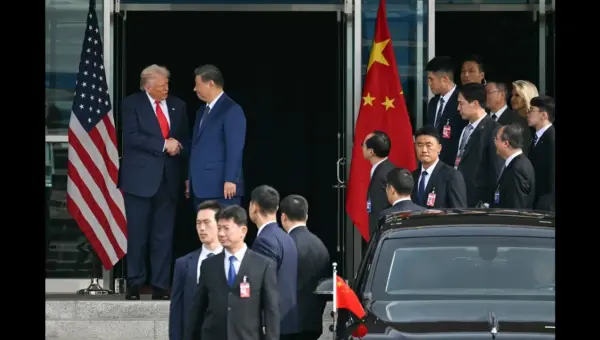
Trump’s “Walk Away” Tactic Signals Tougher Stance on China
Retired Air Force Brigadier General David Stillwell believes President Trump's strategy of being willing to walk away from negotiations puts pressure on China. This tactic, combined with US global actions and strengthened alliances, signals a more assertive American foreign policy.