NASA Plans Permanent Moon Base, Shifts From Orbit Station
NASA is shifting its lunar strategy from an orbiting station to a permanent surface base, investing $20 billion over seven years. This move aims to accelerate exploration and prepare for Mars missions, involving international and commercial partners.

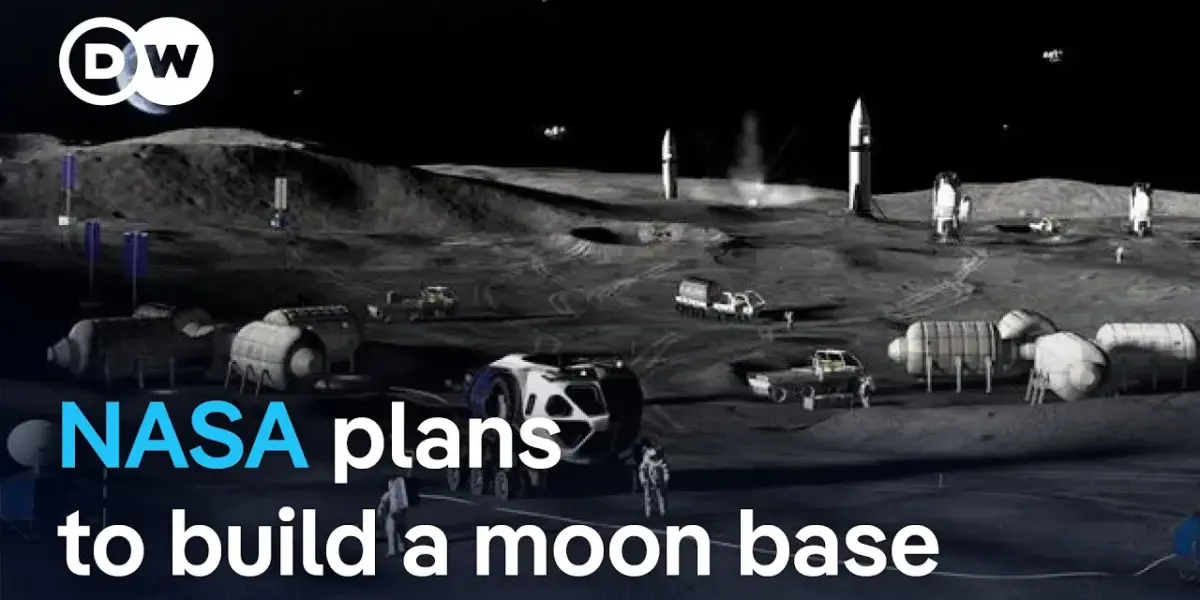
NASA Eyes Permanent Moon Base, Halts Gateway Orbit Plans
NASA has announced a significant shift in its lunar ambitions, moving away from plans for an orbiting lunar outpost and instead focusing on establishing a permanent human base on the Moon’s surface. The agency revealed its intention to build this lunar base, signaling a new phase in space exploration and a potential stepping stone for future missions to Mars.
Why the Change in Plans?
The decision to pivot from the Lunar Gateway, an orbiting lunar station, to a surface base comes after years of rising costs and delays. Keith Cowing, editor of nasawatch.com, explained that the Gateway had become more of a burden than an opportunity. “Everybody wanted to be on the moon, not orbiting around it,” Cowing stated, suggesting the change is a practical move to simplify efforts and directly address the goal of lunar exploration. NASA Administrator Bill Nelson highlighted the strategic importance, saying, “America will never again give up the moon. That brings us to the next step, building the moon base.”
A $20 Billion Investment Over Seven Years
The ambitious project to establish a lunar base will involve a substantial investment. NASA plans to spend approximately $20 billion over the next seven years to build the necessary infrastructure. This will be achieved through dozens of missions, fostering collaboration with commercial and international partners. The agency aims for a deliberate and achievable plan to ensure sustained operations on the lunar surface.
Humans vs. Robots on the Moon
Cowing emphasized the crucial difference between orbiting the Moon and landing on its surface. “If you’re just going to go around the moon, you don’t need to send people,” he noted. “We already have spacecraft that orbit the moon and do all that stuff perfectly well.” The true value, he explained, lies in sending humans with their curiosity and adaptability. “It’s another world that’s far away that you have to solve problems yourself,” Cowing said. Humans can conduct geology, adapt to unexpected situations, and learn to live on another world, preparing them for more complex missions like those to Mars.
A New Space Race: Beyond Earth’s Orbit
The renewed focus on the Moon is also shaped by a changing geopolitical landscape. Unlike the original space race against the Soviet Union, today’s efforts involve multiple nations and private companies. “It’s not a race between us and Russia. It’s apparently a race between us and China,” Cowing observed. However, he clarified that the competition is broader, including Europe, Japan, Canada, and other nations with space capabilities, as well as private entities like SpaceX and Blue Origin. This multipolar environment drives the urgency to establish a presence on the Moon.
International Collaboration and Private Enterprise
While there’s a competitive element, NASA is also emphasizing international cooperation. The Artemis program, which aims to return humans to the Moon, already includes partners like Canada and Japan, with astronauts from these nations expected to participate. The European Space Agency (ESA) is also heavily involved. The Artemis Accords, an international agreement promoting responsible space exploration, has garnered support from nations worldwide. Cowing suggested that learning to work together in space could offer valuable lessons for cooperation on Earth.
Beyond national agencies, private companies are also making significant strides. Elon Musk, CEO of SpaceX, has expressed ambitions for a self-growing city on the Moon within a decade. Similarly, Jeff Bezos’s Blue Origin is developing capabilities for lunar missions. This parallel development creates an internal space race among private enterprises, adding another layer of excitement and competition to lunar exploration.
The Moon as a Stepping Stone to Mars
Establishing a base on the Moon is widely seen as a critical step toward human missions to Mars. Cowing compared the process to preparing for an expedition: “You want to do your homework at home, not when you’re in the field.” Living and working on the Moon will provide invaluable experience in dealing with harsh environments, maintaining equipment, and solving problems far from Earth. This hands-on learning is essential for the success of longer, more complex journeys to Mars. “Getting that skill set together is important so that you can say, hey, you know what, we were going to do the Mars thing this way, but no, we needed to do it that way instead,” Cowing explained.
Robots and Humans: A Combined Approach
The future of lunar exploration will likely involve both human and robotic missions working in tandem. While robots can scout ahead and perform tasks, humans offer a level of adaptability and scientific insight that machines cannot replicate. “I could go out in an afternoon and do all the geology that that rover just did in six months,” Cowing remarked, highlighting the efficiency of human geologists. NASA plans to launch robots monthly starting in 2027, paving the way for eventual human presence and sustained operations on the lunar surface.
Source: NASA unveils initiative to establish enduring presence on the Moon | DW News (YouTube)

Related Articles

Astronaut Recounts Space Medical Scare, Informs Future Missions
Astronaut Mike Fincke detailed a recent medical emergency aboard the ISS that led to his return to Earth. While doctors ruled out serious conditions like stroke, the exact cause is still being studied, with theories pointing to a space-related anomaly. The experience is providing crucial data for future long-duration missions, including NASA's Artemis program.


Astronaut Recovers From Mystery Space Illness, Inspires Future Missions
Astronaut Mike Fincke has shared details about a mysterious medical emergency he experienced aboard the International Space Station, which led to his early return to Earth. While the exact cause is still under investigation, doctors believe it was space-related, providing crucial data for future deep space missions.

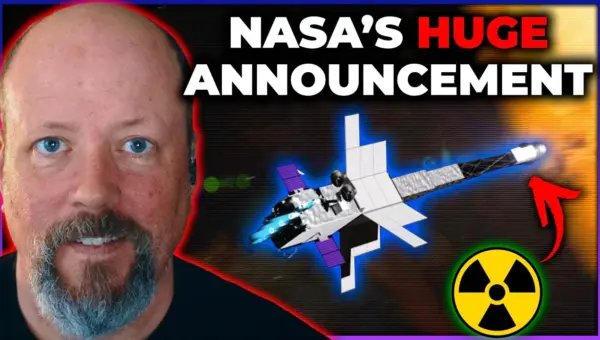
NASA Pivots: Mars Nuclear Probe, Moon Base Ahead
NASA is pivoting its exploration strategy, prioritizing a nuclear-powered Mars probe and accelerating plans for a moon base. The International Space Station's future is uncertain, with a shift towards commercial platforms. Meanwhile, new telescope data reveals overmassive black holes in dwarf galaxies and captures stunning images of Saturn and the Crab Nebula.