Putin’s Shadow Play: Oil Prices, Mideast War Boost Russia
Rising oil prices and global attention diverted by the Middle East war are benefiting Russia's war effort in Ukraine. However, President Putin faces a delicate balancing act between supporting Iran and maintaining ties with Donald Trump, leading to his temporary public withdrawal. Ukraine, meanwhile, sees an opportunity to leverage its modern warfare experience in the Middle East.

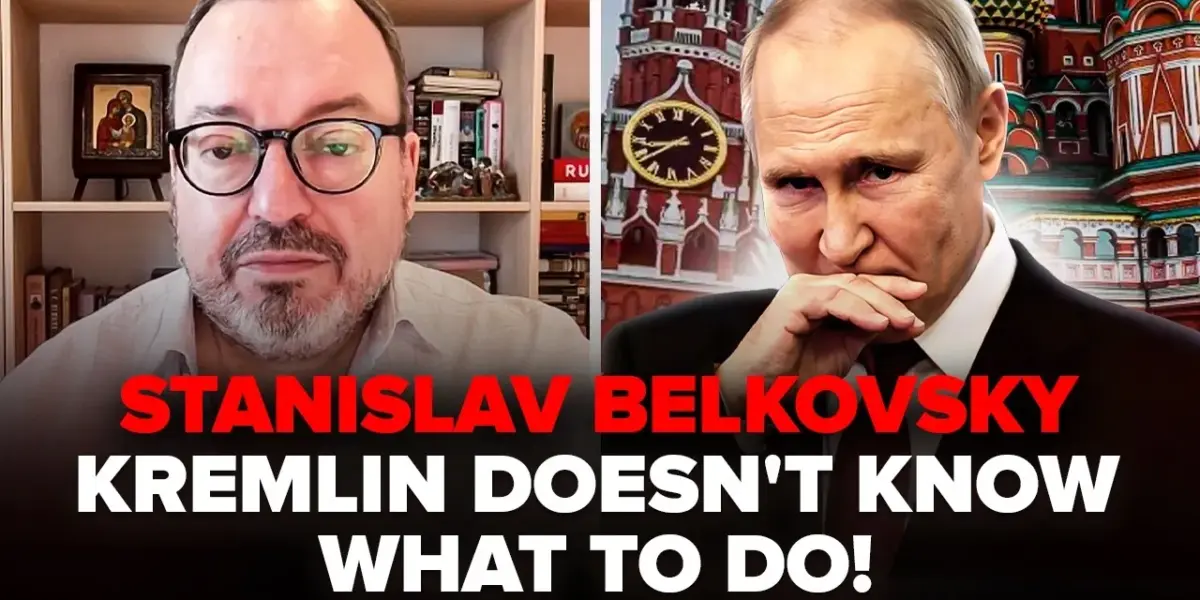
Putin’s Shadow Play: Oil Prices, Mideast War Boost Russia
The ongoing conflict in the Middle East is providing unexpected financial and strategic benefits to Russia. Rising oil prices are injecting billions of dollars into the Russian budget, offering Moscow new resources to continue its war in Ukraine and ease economic pressures at home. This financial boost is a key reason behind Russian President Vladimir Putin’s keen interest in potential shifts in Western sanctions.
Beyond finances, the Middle East war is drawing global attention away from Ukraine. This allows Russia to pursue its objectives in Ukraine with less international scrutiny. However, the situation presents a complex challenge for Putin. He must maintain his alliance with Iran, a long-standing partner, while also preserving his relationship with former U.S. President Donald Trump. This delicate balancing act appears to be causing psychological strain, leading to Putin’s temporary withdrawal from public view.
Putin’s Public Absences: A Pattern of Uncertainty
Putin has a history of disappearing from public view during times of psychological stress or uncertainty, a pattern observed since the start of his presidency. This behavior often occurs when he faces complex decisions or conflicting pressures. The current situation, marked by the Middle East conflict and its implications for Russia’s alliances, seems to be a prime example.
The vulnerability of even highly protected leaders in modern warfare has become evident, a reality that Putin is reportedly confronting. The potential for a conflict to begin with the targeted elimination of a leader, rather than ending with it, represents a new and challenging dynamic. This realization may be contributing to his current unease and withdrawal.
A similar pattern of public absence was seen in August-September 2000 during the Kursk submarine disaster, underscoring that these disappearances are not entirely unprecedented. The current situation is marked by Putin’s apparent reluctance to make key decisions, particularly regarding support for Iran. This is compounded by reports of Iran’s Supreme Leader undergoing medical treatment in Russia, a move likely driven by security concerns given the risks of treatment within Iran.
Russia’s Limited Capacity for Mideast Support
Despite public pronouncements, Russia possesses neither the political nor military resources to significantly alter the situation in the Middle East. Moscow’s resources are largely committed to the war in Ukraine and diplomatic efforts concerning it. However, a complete abandonment of Iran would be politically damaging, exposing Russia’s alliances as superficial, much like its international organizations such as BRICS and the Shanghai Security Organization, which have been largely silent during the current Middle East crisis.
The Iranian Power Structure and Leadership Questions
While Iran’s elected president holds limited power, its spiritual leadership holds ultimate authority. Reports indicate that Ali Larijani, who was acting as Supreme Leader, may have been killed by Israeli forces. Despite these potential leadership losses, Iran’s complex power network allows it to manage and govern for a period. However, repeated casualties among top officials would inevitably weaken Iran’s power and its ability to resist, suggesting the current Iranian regime may be nearing its strategic end, though this process is expected to take time.
Trump’s Influence and Putin’s Strategic Goals
Donald Trump’s postponement of his China visit for a month suggests he may not be optimistic about quickly ending the Middle East war. For Putin, avoiding direct confrontation with the United States is paramount. A core objective of his presidency has been to secure security guarantees from the U.S. He sees a potential pact with Donald Trump as a crucial opportunity, especially given the shifting geopolitical landscape and the potential for Trump’s political future.
This opportunity is vital for Russia, which faces increasing global isolation. Losing this chance, perhaps if Trump loses upcoming elections, would significantly reduce Putin’s prospects for achieving these security guarantees. This explains Putin’s cautious approach to the Middle East conflict, prioritizing his relationship with Trump over deeper involvement in Iran’s defense, even when his aides adopt more aggressive rhetoric.
Ukraine’s Opportunity in the Shifting Landscape
The collapse of the Iranian regime would diminish Putin’s influence in the Middle East. However, Putin’s primary focus remains securing an agreement with Trump and achieving a favorable resolution to the Ukraine war. Russia is heading towards increasing isolation, and its strategy involves asserting control over the Eurasian heartland, a goal that aligns with potential agreements with Trump and the lifting of sanctions.
Ukraine, with its extensive experience in modern warfare, particularly in drone and AI combat, is uniquely positioned to counter Russian influence. Ukraine can share its battlefield knowledge with Middle Eastern countries, helping them defend against threats like Iran. This offers Ukraine a chance to strengthen its position as an exporter of military technology and expertise, playing a significant role within a potential coalition against Iran. While Russia benefits from oil price increases, Ukraine can capitalize on its hard-won combat experience, presenting its own strategic advantages on the global stage.
Source: 😱Here’s where Putin disappeared! Panic in Moscow. Russians in shock. This has never happened before (YouTube)

Related Articles
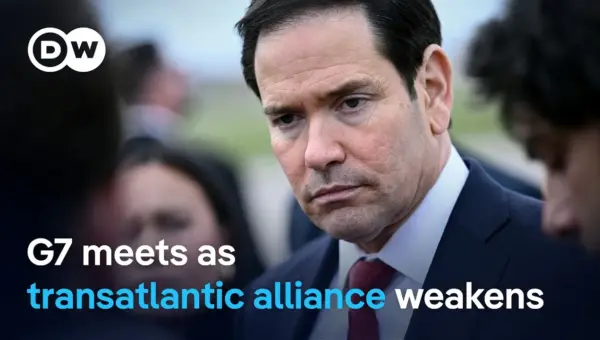
G7 Allies Clash Over Iran War Strategy, Urge Focus on Russia
G7 foreign ministers met in Paris, revealing deep divisions over the U.S. war with Iran. European allies urged the U.S. to pressure Russia, linking its actions to the conflict and fearing support for Ukraine will wane.
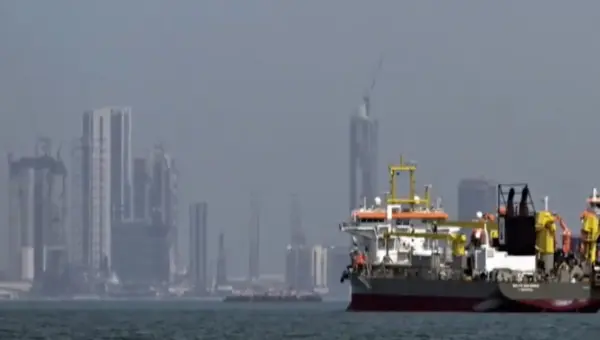
Iran Blocks China Ships, Exposing Beijing’s Weak Grip
Iran's recent decision to block Chinese ships at the Strait of Hormuz is exposing the limits of Beijing's influence in the Middle East. This action is causing delays and cancellations for Chinese manufacturers, turning a perceived geopolitical win into an economic strain.
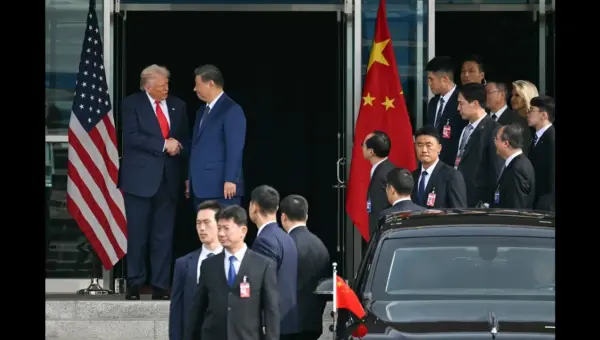
Trump’s “Walk Away” Tactic Signals Tougher Stance on China
Retired Air Force Brigadier General David Stillwell believes President Trump's strategy of being willing to walk away from negotiations puts pressure on China. This tactic, combined with US global actions and strengthened alliances, signals a more assertive American foreign policy.