Trump’s Iran War Answers Evade Amidst Baffling Statements
President Trump's recent statements on Iran negotiations have been met with confusion and criticism. Amidst reports of a mysterious gift from Iran and a 15-point peace plan, conflicting messages from the administration and suspicious trading activity have raised serious questions about transparency and accountability in the ongoing conflict.

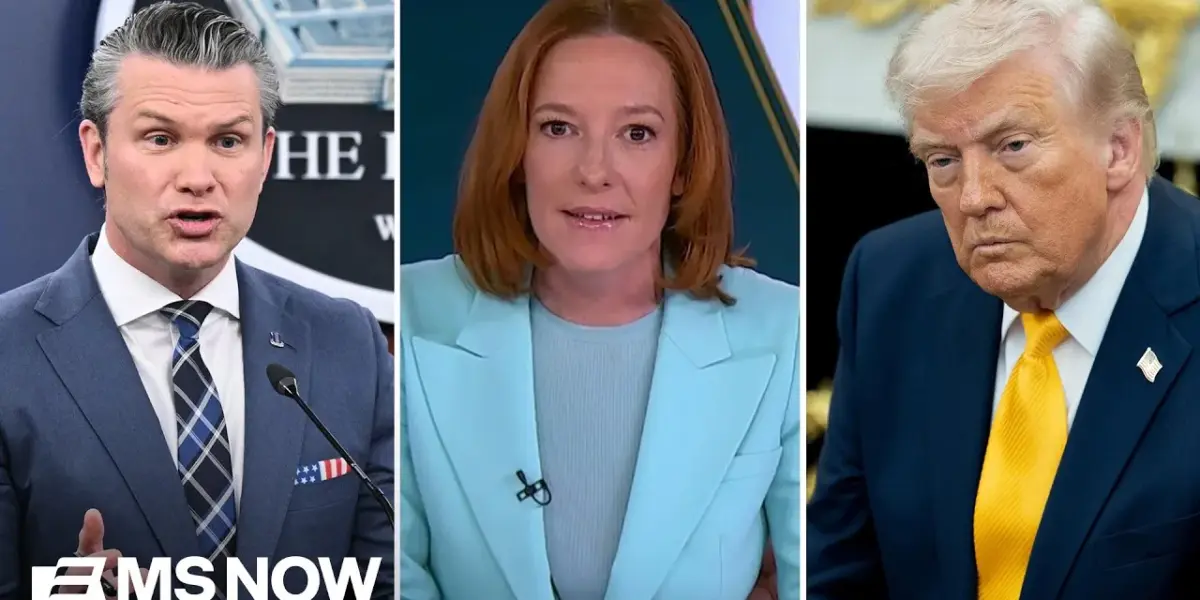
Trump Offers Cryptic Clues on Iran Negotiations
President Donald Trump faced pointed questions from reporters in the Oval Office regarding the ongoing war with Iran and the status of negotiations. Instead of providing clear answers, the President described receiving an expensive, undisclosed gift from Iran, calling it a “tremendous amount of money” and a “significant prize.” He suggested this gift made him feel like he was speaking with the “right people,” implying a positive development in diplomatic efforts.
However, the nature of this gift, who it was from within the Iranian regime, and how it connects to ending the war remained unclear. The President offered vague hints, stating it was related to “oil and gas” and the “flow and to the strait,” likely referring to the Strait of Hormuz. When pressed for details, Trump offered enigmatic responses, leaving reporters and the public baffled.
White House Efforts to Clarify Fall Short
Following the President’s remarks, attempts to gain clarity from the White House were met with resistance. Politico reported that the White House press office declined to answer follow-up questions regarding the President’s statements about the Iranian gift and negotiations. This lack of transparency further fueled confusion and speculation.
Several individuals close to the White House expressed bewilderment at the President’s remarks, according to Politico. This sentiment was echoed by observers who found the President’s shifting narratives on Iran concerning. Just days prior, Trump had called for Iran’s unconditional surrender, a stark contrast to his current musings about potentially overseeing the Strait of Hormuz in partnership with Iranian leadership.
Conflicting Messages on War Strategy
Adding to the confusion, the Secretary of Defense, Pete Hegseth, made contrasting statements on the same day. Standing beside President Trump, Hegseth stated that the U.S. negotiates “with bombs.” This aggressive stance seemed at odds with the President’s portrayal of secret, productive negotiations.
Further complicating the picture, The New York Times reported that the United States had presented Iran with a 15-point plan to end the Middle East conflict. The details of this plan were not publicly disclosed, and it was unclear if Iranian officials had received or were likely to accept it as a basis for negotiation. The plan’s alignment with allies like Israel, which has been involved in military actions against Iran alongside the U.S., also remained uncertain.
Shifting Blame and Suspicious Trading Activity
In the face of mounting confusion, President Trump appeared to shift responsibility for the war onto Secretary of Defense Pete Hegseth. The President suggested that Hegseth was instrumental in the decision to go to war, implying that if the conflict continued, Hegseth should be blamed. This attempt to distance himself from the war’s origins drew criticism for its lack of accountability.
Meanwhile, suspicious trading activity has raised concerns about potential insider trading related to the conflict. Reports indicate a significant spike in oil futures trading just minutes before Trump’s announcement of negotiations. Experts suggest this pattern resembles insider trading, where individuals may have profited from foreknowledge of the President’s statements. Additionally, substantial profits have been made on a betting website through predictions of U.S. and Israeli military actions in Iran.
Concerns Over Transparency and Influence
Critics argue that the Trump administration has maintained a high level of secrecy regarding its decisions on the Iran war. The Pentagon has implemented new restrictions on journalists, even after a court ruling found previous limitations unconstitutional. Furthermore, Republican lawmakers have reportedly deferred to the administration, refusing to hold public hearings on the war.
This lack of transparency, coupled with the possibility of insider trading, has led to accusations that the administration is deliberately withholding information from the public. The administration’s decisions on the war have been influenced by various international figures, including the Crown Prince of Saudi Arabia and Israeli Prime Minister Benjamin Netanyahu. These influences raise questions about whether the war serves the interests of everyday Americans or the agendas of powerful individuals.
Veterans’ Perspectives on the Conflict
Senator Ruben Gallego, a former Marine who served in Iraq and lost a close friend in combat, has spoken out about the cost of war. At a town hall with veterans in San Antonio, Texas, Gallego emphasized the importance of avoiding unnecessary conflicts. He stated that the most patriotic action for veterans is to prevent them from being sent into “stupid” wars.
His remarks highlight the perspective of those who have directly experienced the sacrifices of military service. The ongoing war in Iran, characterized by conflicting messages and a lack of clear objectives, raises serious questions about its justification and its impact on American service members and their families.
Source: Trump stumped: Trump SQUIRMS as media presses for answers on Iran (YouTube)

Related Articles
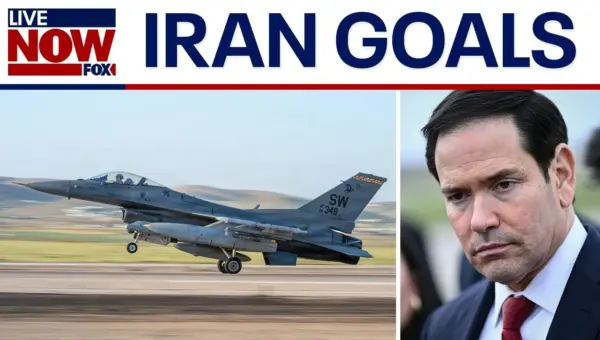
Rubio: US Can Achieve Iran War Goals Without Troops
Senator Marco Rubio outlined a strategy to counter Iran without deploying U.S. ground troops, focusing on weakening the regime and enhancing maritime security. He also criticized Cuba's economic system and expressed concerns about West Bank violence.

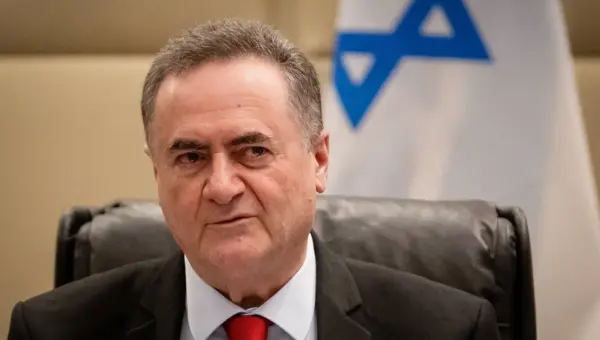
Israel Escalates Iran Strikes, Warns of Wider War
Israel has launched significant strikes inside Iran following continued missile fire, warning of further escalation. The conflict risks wider regional instability and economic disruption, especially concerning the Strait of Hormuz.
Trump’s Name Everywhere: A ‘Stain’ on GOP Legacy?
Former President Donald Trump's efforts to brand national symbols, including a proposed signature on dollar bills, spark debate. Critics view this as an authoritarian attempt to embed his legacy, potentially staining the Republican Party's history and contrasting with democratic ideals of public ownership.