Trump Claims Iran Talks Underway Amid Troop Buildup
President Donald Trump claims ongoing negotiations are leading to an end of the conflict with Iran, but Iran denies any talks are happening. This contradiction comes as reports indicate a significant U.S. troop buildup in the Middle East, raising questions about the administration's true strategy.

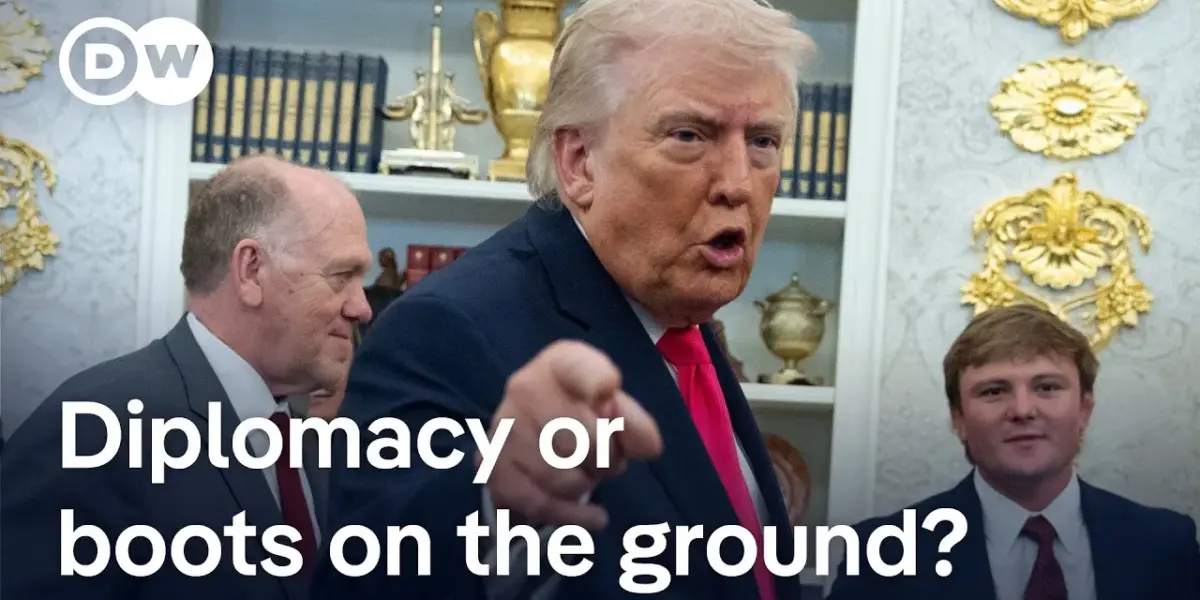
Trump Claims Iran Talks Underway Amid Troop Buildup
President Donald Trump announced that negotiations are underway to end the conflict with Iran, stating that the Iranian side is eager to reach a deal. However, this assertion stands in stark contrast to official statements from Iran, which deny any ongoing talks. The conflicting messages raise questions about the true state of diplomatic efforts and the administration’s strategy, especially as reports surface of the U.S. deploying thousands of additional troops to the Middle East.
Credibility Gap Fuels Skepticism
Hussein Benny, an associate professor of international studies at Indiana University specializing in U.S.-Iran relations, expressed significant skepticism regarding President Trump’s claims. Benny pointed to a history of conflicting statements from the president, noting that Trump has previously declared negotiations were progressing well, only to later announce escalations, including military actions. “The credibility of what the president says is really not very high, especially when it comes to Iran,” Benny stated. He suggested that sticking to Iran’s official statements might be a safer bet than relying on the president’s word. This credibility gap is amplified by recent events, where the U.S. reportedly prepared for military action while simultaneously claiming diplomatic progress.
Troop Buildup Contradicts Diplomatic Claims
Adding to the confusion, reports from Reuters and The Wall Street Journal indicate that the U.S. is sending thousands of troops to the Middle East. This military buildup appears to mirror the lead-up to previous escalations in the conflict. Benny observed that the current trajectory of troop deployment aligns with past patterns that preceded increased U.S. military engagement with Iran. “The trajectory matches that of the previous two times that the United States was gearing up to attack Iran or to ramp up its ongoing attacks,” he explained. This suggests a potential strategy where Trump publicly signals a desire for negotiation while privately preparing for further military action, possibly aiming to present Iran as cornered and desperate.
Motivations Behind Trump’s Statements
Speculation surrounds President Trump’s motivations for announcing ongoing talks with Iran. One key factor could be the negative economic impact of the conflict on his approval ratings. Rising gas prices and market uncertainty have created economic pressure. By suggesting diplomatic progress, Trump might be attempting to signal positive developments to the public and calm financial markets. “He has one eye on that to sort of say there’s good news coming down the road,” Benny commented. Another possibility is that Trump is employing a tactic to make Iran feel engaged in negotiations, while simultaneously planning to intensify pressure on the regime. The administration’s response to market pressures and negative economic news suggests these factors play a significant role in decision-making.
Market Activity and Insider Trading Concerns
The timing of Trump’s announcement about talks with Iran has also raised concerns about potential insider trading. Market experts noted unusual trading activity in oil futures just before the president’s statement. Benny acknowledged that such patterns have been observed before, with significant money being made on prediction markets ahead of major events. “There is that established pattern as well,” he said. He characterized the administration as lacking transparency and long-term planning, with decisions seeming to be made on an hourly basis. This lack of clear strategy fuels speculation about coordinated efforts between political announcements and financial market movements.
“A Great Gift” and Shifting Demands
President Trump referred to a concession from Iran as a “great gift,” which he linked to the flow of ships through the Strait of Hormuz. Benny suggested this refers to Iran allowing the passage of ships belonging to non-hostile nations. He interprets Trump’s framing of this as a “great gift” as a sign of the U.S. administration’s perceived weakness or desperation for the strait to remain open for oil transport. This development comes as a key U.S. goal in the conflict has been to ensure Iran ends its nuclear program. Trump claimed that Iran has agreed not to pursue nuclear weapons, a statement that Benny found factually inaccurate. Iran has consistently maintained its nuclear program is for peaceful purposes and has never stated an intention to build a bomb.
Potential Negotiation Points
Beyond the nuclear issue, the U.S. has reportedly presented Iran with a 15-point plan. Benny speculates that this plan likely includes demands regarding Iran’s missile program, which has demonstrated its ability to launch attacks despite ongoing hostilities. The safe passage of ships through the Strait of Hormuz and agreements not to target energy infrastructure in neighboring Arab Gulf countries are also expected demands. Additionally, the U.S. might seek energy concessions related to Iran’s oil resources. However, Benny noted that Iran is likely to maintain its red lines, particularly concerning its missile program, which it views as a critical deterrent against potential attacks from Israel and its Arab neighbors.
Regime Change Narrative and Ground Realities
President Trump has also claimed that the U.S. has achieved a form of regime change in Iran through targeted killings of leadership figures. Benny strongly disputes this narrative, stating that while the U.S. has eliminated senior Iranian officials, the regime has consistently replenished its ranks. “The Iranian government has also demonstrated that it has replenished those ranks very quickly with other figures,” he explained. He emphasized that Iran is a country of 90 million people with a significant base of support for the current regime, and key institutions like the military and security forces remain under its control. The idea of a popular uprising to overthrow the government, which was encouraged by the U.S. and Israel at the war’s outset, appears unlikely given the public’s wariness following U.S. and Israeli attacks on civilian infrastructure.
Regional Alliances and Strategic Interests
The conflict is reshaping Iran’s relationships with its neighbors. Reports suggest Saudi Arabia’s Crown Prince Mohammed bin Salman has urged the U.S. to continue attacks and pursue regime change in Iran. Benny sees this as a strategic move by Saudi Arabia, which views Iran as a potential rival that could overshadow its own alliance with the Trump administration and its network. Neutralizing Iran aligns with Saudi Arabia’s long-term interest in remaining a central pillar of U.S. strategic interests in the Middle East. This dynamic highlights how personal relationships and patronage networks can influence foreign policy decisions under the current U.S. administration.
Israel’s Role and Future of the Conflict
Looking ahead, the potential for an end to the war through U.S.-Iran negotiations raises questions about Israel’s actions, particularly its involvement in Lebanon and potential continued strikes in Iran. Benny is less optimistic about Israel ending its operations in Lebanon due to the shared border and ongoing security concerns with Hezbollah. Regarding Iran, he noted that Israel’s actions have sometimes clashed with U.S. objectives, citing instances where Trump has publicly rebuked Israeli strikes. The U.S. has previously exerted influence over Israeli military actions, and it remains to be seen how such dynamics will play out if a diplomatic resolution between the U.S. and Iran emerges. The elimination of potential Iranian interlocutors by Israel, such as Ali Larijani, also complicates diplomatic efforts.
Conclusion: Uncertainty Prevails
The conflicting messages from President Trump and Iranian officials, coupled with significant military deployments and regional political maneuvering, create a highly uncertain environment. Whether Trump’s claims of negotiations signal a genuine path toward de-escalation or are a tactic to buy time for further military preparations remains to be seen. The coming weeks will be crucial in determining the true direction of the U.S.-Iran conflict and its broader implications for the Middle East.
Source: Trump says talks underway to end Iran war, Iran denies negotiations | DW News (YouTube)

Related Articles

G7 Allies Clash Over Iran War Strategy, Urge Focus on Russia
G7 foreign ministers met in Paris, revealing deep divisions over the U.S. war with Iran. European allies urged the U.S. to pressure Russia, linking its actions to the conflict and fearing support for Ukraine will wane.

Iran Blocks China Ships, Exposing Beijing’s Weak Grip
Iran's recent decision to block Chinese ships at the Strait of Hormuz is exposing the limits of Beijing's influence in the Middle East. This action is causing delays and cancellations for Chinese manufacturers, turning a perceived geopolitical win into an economic strain.
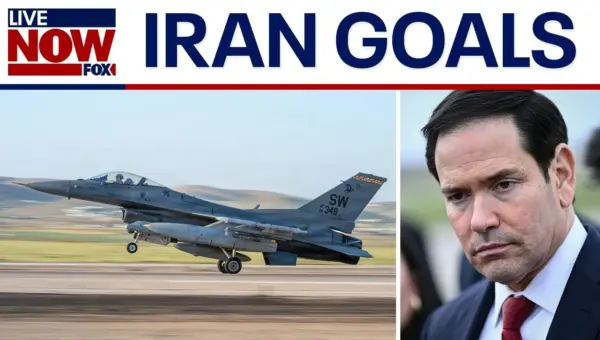
Rubio: US Can Achieve Iran War Goals Without Troops
Senator Marco Rubio outlined a strategy to counter Iran without deploying U.S. ground troops, focusing on weakening the regime and enhancing maritime security. He also criticized Cuba's economic system and expressed concerns about West Bank violence.