Energy Giant Ditches Wind for Gas: A Major US Policy Pivot?
Global energy giant Total Energies is abandoning nearly $1 billion in U.S. offshore wind leases, redirecting funds to natural gas development in Texas. The company cited high costs and potential impacts on consumer energy prices as key reasons for the shift. This decision has drawn support from some groups and raises questions about the future of wind energy in the U.S.

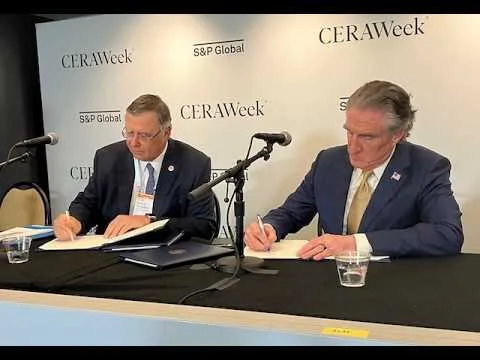
Offshore Wind Plans Scrapped, Billions Shift to Natural Gas
In a significant turn of events for American energy, a major global company has decided to abandon its offshore wind projects. Total Energies, a French energy firm, is pulling out of lease agreements it held off the coasts of North Carolina and New York. This decision means nearly $1 billion, originally set aside for developing wind farms at sea, will now be invested elsewhere.
Instead of harnessing wind power, Total Energies plans to redirect these substantial funds into developing natural gas production facilities in Texas. This move represents a clear pivot away from renewable energy sources in favor of fossil fuels for this company.
Government Cites Affordability and Security
The U.S. Department of the Interior, through Secretary Doug Bergam, has publicly supported this decision. Bergam stated that the company’s shift will allow funds to be used for producing oil and natural gas within the United States. He emphasized that this production is seen as affordable, reliable, and secure for the nation’s energy needs.
This official backing suggests a potential shift in government priorities, favoring traditional energy sources over the ambitious expansion of offshore wind power. The administration appears to be signaling a preference for immediate energy security and cost containment through established methods.
Company Points to Cost and Customer Impact
The chief executive officer of Total Energies explained the company’s rationale behind the decision. He noted that developing offshore wind in the United States is proving to be more expensive compared to other parts of the world. Furthermore, the CEO expressed concern that the high costs associated with these projects could negatively affect the price of electricity for American consumers.
This perspective highlights the economic challenges facing renewable energy projects. While the long-term benefits of wind power are often discussed, the immediate financial hurdles and potential impact on utility bills are significant considerations for both companies and governments.
Fishermen’s Group Applauds the Move
The Northeast Fishermen’s Stewardship Association has also voiced its approval of Total Energies’ decision. The group praised the deal, stating it will help protect America’s coastlines and the vital fishing industries they support. For many in the fishing community, offshore wind farms can pose risks to their livelihoods and the marine environment.
Concerns often include potential disruptions to fishing grounds, impacts on marine life, and the visual presence of large wind turbines. The association’s positive reaction underscores the conflict that can arise between renewable energy development and existing coastal industries.
Why This Matters
This situation is important because it shows a real-world example of how major energy companies make decisions. It’s not just about the environment; it’s also about money and what’s easiest to do right now. When a big company like Total Energies changes its plans, it sends a message to the whole energy industry and to politicians.
It makes us ask questions about how fast we can really switch to clean energy and what challenges we might face. Are the costs too high? Are there other problems we haven’t thought about? This event highlights the complex choices involved in moving toward a greener future while keeping energy affordable and reliable.
Historical Context and Background
The push for offshore wind energy in the U.S. gained momentum in recent years as the country looked for ways to combat climate change and reduce reliance on fossil fuels. Historically, the U.S. has been a major producer and consumer of oil and natural gas. Developing offshore wind was seen by many as a crucial step in diversifying the nation’s energy portfolio.
However, offshore wind projects have faced numerous hurdles, including high upfront costs, complex regulatory processes, and opposition from various groups, including some fishing communities and environmental organizations concerned about wildlife. This deal with Total Energies is not the first time a company has reconsidered its offshore wind investments in the U.S., reflecting ongoing challenges in the sector.
Implications, Trends, and Future Outlook
The implications of Total Energies shifting billions from wind to gas are far-reaching. It suggests that the economic viability and logistical challenges of U.S. offshore wind projects are significant enough to deter major investment, at least for now. This could slow down the pace of renewable energy adoption in the United States.
This event might encourage other energy companies to re-evaluate their own offshore wind strategies, potentially leading to more investments flowing back into fossil fuels or other energy sectors. It also puts pressure on policymakers to address the cost barriers and streamline the development process for renewables. The future outlook for offshore wind in the U.S. now appears more uncertain, depending heavily on government support, technological advancements, and improved cost-competitiveness.
Source: Trump Admin Strikes Deal With Energy Firm to Nix Offshore Wind Plans (YouTube)

Related Articles


Iran War Sparks Fertilizer Crisis, Threatening Global Food Supply
The Iran war is not only impacting oil prices but also creating a severe fertilizer shortage that could lead to global food shortages this winter and spring. While temporary fuel waivers offer minor relief at the pump, the diversion of farmland for ethanol production and the disruption of fertilizer supply chains pose greater threats to global stability.

Iran’s LNG Strike Boosts US Energy, Hurts China’s Imports
Iran's strike on Qatar's LNG facilities offers a strategic boost to U.S. energy exports while creating significant import challenges for China. The incident highlights the regional nature of LNG markets and China's struggles with domestic production, potentially reshaping global energy trade dynamics.


UK Politics: Phone Saga, North Sea Drilling, and Leadership Fears
UK politics is facing a turbulent period, with a controversy over MP Morgan McSweeney's phone raising questions about transparency and trust. Meanwhile, Labour leader Keir Starmer could face a historic leadership challenge, while the party grapples with internal divisions over North Sea drilling. Economically, the government is shifting towards targeted support, and international attention is on Iran's nuclear program.