Trump’s War Rhetoric: A ‘Spoiled Child’ Seeking an Exit?
Donald Trump's approach to the Strait of Hormuz conflict is being criticized as resembling a "spoiled child" seeking an easy way out of a war he initiated. The analysis highlights a contradiction between his claims of victory and his stated desire to negotiate, questioning the strategic logic of his military actions and troop deployments.

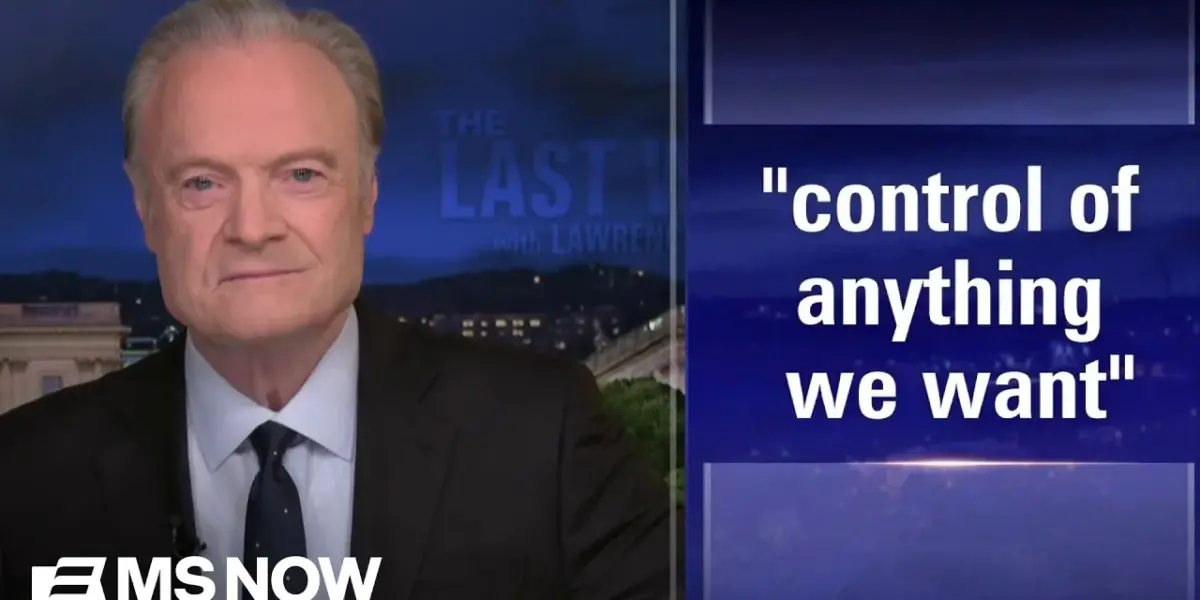
Trump’s War Rhetoric Criticized Amidst Strait of Hormuz Tensions
In a recent analysis, commentator Lawrence likened Donald Trump’s approach to the ongoing conflict involving the Strait of Hormuz to that of a “spoiled child.” The criticism stems from Trump’s public statements about negotiating an end to a war he claims to have already won, a stance that Lawrence argues is contradictory and lacks strategic depth.
The Paradox of Trump’s War Aims
The core of the critique focuses on Trump’s stated goal of controlling the Strait of Hormuz. According to the analysis, the strait was open and free-flowing before Trump initiated military action. Now, the objective of the war appears to be reclaiming a status that existed prior to its commencement. This has led to a situation where Iran has reportedly disrupted shipping, and Trump is now fighting to reopen the strait, while simultaneously asserting complete control over the region.
“So the objective of his war is to achieve something that existed before his war.”
The article draws a parallel to World War II, highlighting the immense resources, millions of troops, and devastating weaponry required for the United States to achieve significant global influence. Even then, full control was not achieved in areas like Germany due to the influence of allies like the Soviet Union. The implication is that Trump’s expectation of Iran surrendering or granting complete control is unrealistic, especially given the military strength of Iran.
Military Strength and Deployment Concerns
The transcript raises concerns about the scale of a potential conflict with Iran. Iran boasts a large active military force, estimated at 600,000 soldiers with an additional 500,000 reserves. This is contrasted with the entire United States Army, which numbers around 450,000, with many not designated for direct combat roles. The deployment of 2,000 soldiers from the 2nd Brigade Combat Team, 82nd Airborne Division to the Middle East is presented as insufficient for any significant military operation against a country of 90 million people.
Historical comparisons are made to the Vietnam War, where the U.S. deployed over 545,000 troops to a country with half the population of Iran, and ultimately lost. The article questions the effectiveness of a small troop deployment against a nation with a significantly larger and more numerous military, especially without the backing of strong international allies, a stark contrast to the coalition that fought in World War II.
Public Opinion and Political Pressure
The analysis suggests that Trump’s war is facing low public approval, with his job approval rating reportedly dropping. This political pressure, the article posits, is driving Trump to seek an “exit” that does not appear as a total defeat. The reported deployment of troops is framed as a move made amidst declining poll numbers, adding a layer of political desperation to the military actions.
Misinterpretations and Diplomatic Bafflement
A key point of contention is Trump’s public celebration of a single oil tanker passing through the Strait of Hormuz, which he referred to as a “very significant prize” and a sign of dealing with the “right people.” However, subsequent reporting from Bloomberg indicated that the supertanker’s signal might have shown it exiting the strait, but its manager stated it had not actually transited the waterway. This discrepancy has reportedly left White House insiders baffled.
“Several people close to the White House said they were baffled by the president’s remarks.”
The article argues that Trump’s eagerness to negotiate with the same Iranian regime that was in power before the conflict began implies a desire to leave that regime in place, questioning the logic of initiating a war only to seek terms with the existing power structure.
Strategic Outcomes vs. Targetry
Drawing on the insights of former Defense Secretary James Mattis, the piece emphasizes a disconnect between military actions and strategic goals. Mattis is quoted as saying, “targetry never makes up for a lack of strategy.” While acknowledging that thousands of targets may have been hit, the analysis asserts that these actions have not led to meaningful strategic outcomes. Early objectives like unconditional surrender or regime change are dismissed as “delusional.”
The article concludes by suggesting that Trump’s current public stance, shifting from bombastic threats to claims of victory, is an attempt to manage public perception and political fallout. The underlying strategic challenges and the realities of military engagement with a nation like Iran remain significant, regardless of public declarations.
Source: Lawrence: Trump sounded like ‘spoiled child’ in trying to negotiate out of war he claims he’s won (YouTube)

Related Articles
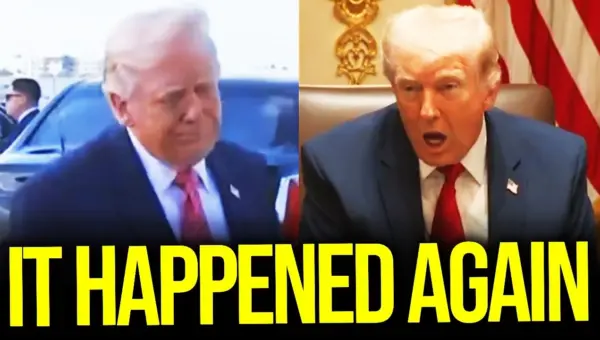
Trump’s Fabricated Deals Fuel Doubts About His Leadership
Donald Trump's recent claims about negotiating custom markers and success with Iran have been met with strong denials from the involved parties. These fabrications raise serious questions about his leadership and ability to provide accurate information, impacting national security and economic stability.
Markets Wobble as Geopolitics Shift Dramatically
Global markets are showing volatility as geopolitical tensions rise, with the Nasdaq nearing correction territory. Concerns over consumer spending, rising costs, and the nation's fiscal health are intensifying. Analysts debate whether current events represent short-term market noise or a fundamental "reinvention of geopolitics" with long-term implications.
Pope Leo XIV Shifts Vatican’s Global Focus
Pope Leo XIV, the first American pope, brings a unique multicultural background and extensive missionary experience to the Vatican. His election signals a potential shift in the Church's global focus, with an emphasis on peace and contemporary issues like artificial intelligence.