LaGuardia Tragedy Exposes Airport Safety Flaws
A fatal collision at LaGuardia Airport between an Air Canada Express jet and a fire truck has exposed critical safety issues. The investigation is examining ground control communication and the absence of a transponder on the fire truck. This tragedy highlights the urgent need for modernizing airport infrastructure and safety protocols.

LaGuardia Tragedy Exposes Airport Safety Flaws
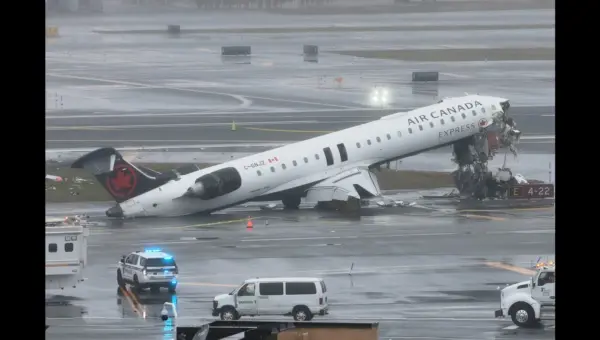
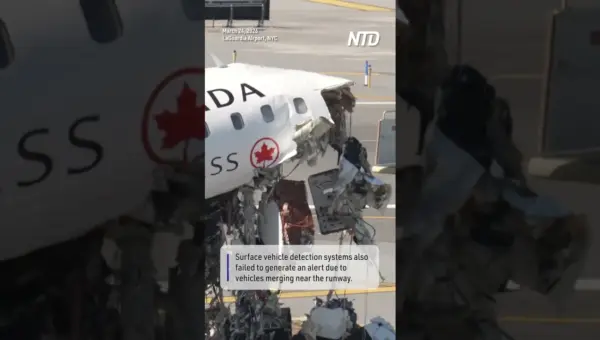
A deadly crash at New York’s LaGuardia Airport has highlighted serious safety concerns. An Air Canada Express jet collided with a fire truck on the runway. This tragic event, which killed pilots Captain Antoine Forest and First Officer McKenzie Gunther, is the deadliest aviation accident at LaGuardia in over 30 years. The incident caused widespread flight delays and cancellations, disrupting travel for many.
Questions Swirl Around Ground Control
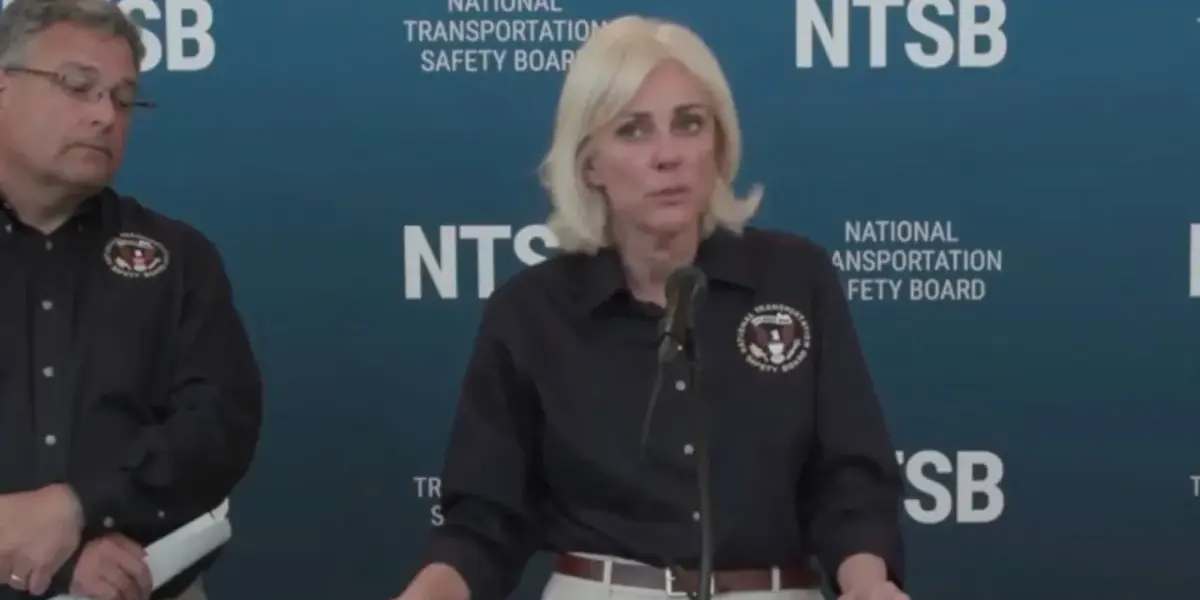
Investigators are working to understand exactly how the accident happened. The National Transportation Safety Board (NTSB) is looking into who was in charge of ground control at the time of the crash. There is conflicting information about whether the controller in charge or the local controller was handling duties. Ground controllers are responsible for managing all aircraft and vehicle movements on taxiways, usually not including active runways.
This raises questions about communication and coordination on the ground. Having clear information about all movements on airport surfaces is crucial for preventing accidents. As one report stated, “They should have all the information. This is 2026.” This comment points to the expectation of advanced technology and seamless information sharing in modern air travel.
Missing Tech on Fire Truck Fuels Debate
A key point in the investigation is that the fire truck involved in the crash was not equipped with a transponder. A transponder is a device that helps track vehicles and aircraft. The NTSB is investigating whether it is common for ground vehicles to have these devices. They plan to consult with the Federal Aviation Administration (FAA) for more details.
While the NTSB has not yet made a recommendation, the question is whether these vehicles *should* have transponders. The goal is to ensure air traffic controllers have a complete picture of everything happening on the airport surface. This includes knowing what is in front of them, whether on the tarmac or in the air, to guarantee safety.
Outdated Systems and the Need for Upgrades
Mayor Zoran Mdani has spoken about the need to upgrade the air traffic control system. He noted that the current system is old. This accident underscores his point that improvements are needed not just in air traffic control but in overall safety across the aviation industry. Safety needs to be a priority everywhere, not just in the control tower.
The runway where the crash occurred will remain closed for several days as the investigation continues. The closure adds to the disruption caused by the incident. Blackbox information from the jet is also still pending, which is vital for understanding the sequence of events.
Why This Matters
This incident at LaGuardia is more than just a local disruption; it’s a stark reminder of the complexities and potential vulnerabilities in airport operations. Air travel is incredibly safe, but accidents, though rare, can have devastating consequences. The NTSB’s investigation will hopefully shed light on specific failures, but the preliminary findings point to broader issues.
The lack of a transponder on a vehicle involved in a collision, coupled with questions about ground control communication, suggests potential gaps in safety protocols. The call for upgrading aging air traffic control systems is a recurring theme in aviation safety discussions. This accident provides a critical, albeit tragic, impetus for accelerating those upgrades and re-evaluating ground vehicle tracking.
Implications, Trends, and Future Outlook
The investigation’s findings could lead to new regulations or guidelines for ground vehicles at airports. We might see mandates for transponders or enhanced communication systems for all vehicles operating near runways. The FAA and airport authorities will likely review their safety procedures. The push for modernizing air traffic control infrastructure is also likely to gain more traction and funding.
This incident could influence how airports prioritize technology investments. The trend towards greater automation and data integration in aviation is clear. However, this event highlights that even with advanced systems, human factors and basic safety equipment for all operational elements remain critically important. The future of airport safety will depend on a holistic approach, addressing both cutting-edge technology and fundamental operational protocols.
Historical Context
Airports have continuously evolved their safety measures over decades. Following major accidents in the past, significant changes have been implemented, from improved aircraft design to more sophisticated air traffic management. The concept of ground control, managing vehicles and aircraft on the ground, has always been a vital component of airport safety. However, as air traffic volume and the complexity of airport operations grow, so too does the need for adapting these control systems.
The NTSB has a long history of issuing recommendations based on accident investigations that have shaped aviation safety worldwide. Each incident, especially one of this severity, serves as a learning opportunity. The goal is to prevent similar tragedies from occurring again, ensuring that the skies and the grounds beneath them remain as safe as possible for everyone.
Source: Delays Continue at LaGuardia Airport After Deadly Runway Crash (YouTube)

Related Articles

LaGuardia Runway Reopens After Deadly Crash, Safety Lapses Exposed
LaGuardia Airport's main runway has reopened after a fatal crash involving an Air Canada Express jet and a fire truck. The incident, which killed two pilots, exposed critical failures in airport safety systems, including ground surveillance and transponder use.
Air Safety Fears Soar After Deadly Crash
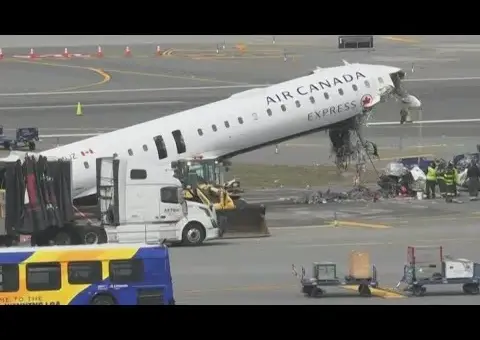
A fatal crash at LaGuardia Airport has triggered a national review of air safety, revealing a pattern of close calls and communication issues at U.S. airports. Investigators are examining technology and staffing, as calls grow for urgent safety upgrades.

Missing Transponder Fueled LaGuardia Near-Disaster
A fire truck lacking a crucial transponder was involved in a near-collision at LaGuardia Airport. The NTSB is investigating this and other issues, highlighting potential gaps in ground vehicle safety protocols. This incident serves as a stark reminder of the importance of technology in preventing airport accidents.