Iran Conflict: Gas Prices May Drop Below Pre-War Levels
An economist suggests that the conflict in the Middle East, while raising gas prices temporarily, may lead to prices falling below pre-war levels. He explains the global nature of oil markets and argues that long-term peace in the region is worth the short-term economic cost.

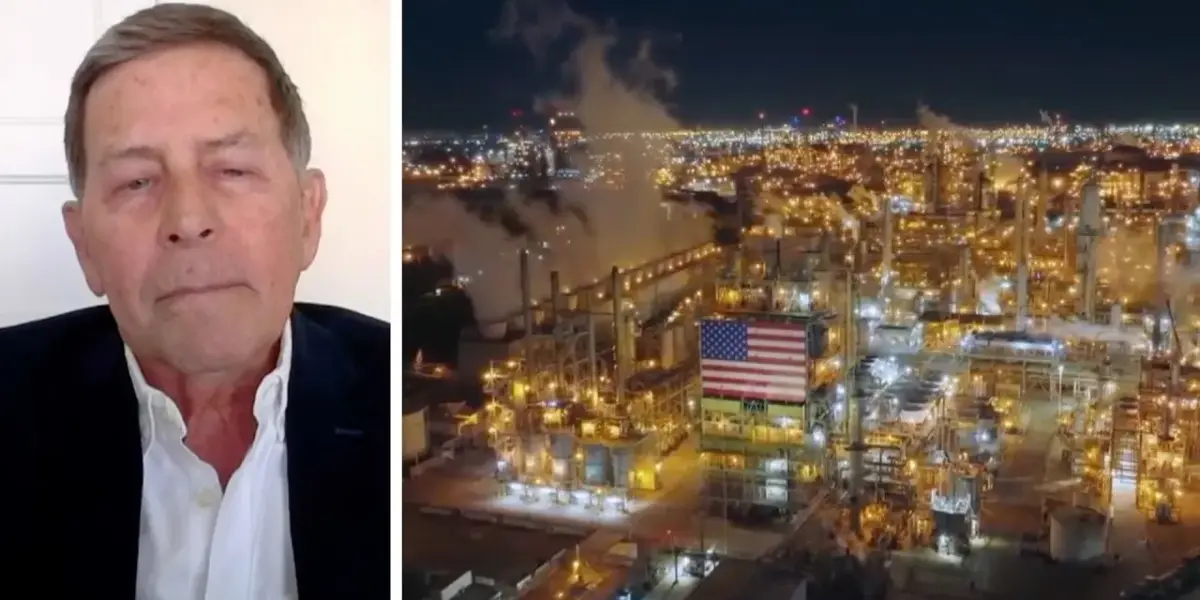
Iran Conflict: Gas Prices May Drop Below Pre-War Levels
The world watched closely as tensions flared in the Middle East, with Iran’s actions potentially shutting down a key shipping route and damaging energy infrastructure. This conflict naturally raised concerns about rising gas prices. An economist explains why the impact on American consumers might be less severe and shorter-lived than many fear.
Oil vs. Natural Gas: Different Markets, Different Impacts
Economist Michael Bustler points out a crucial difference between oil and natural gas markets. Oil is traded globally. This means if oil production is disrupted anywhere, prices everywhere tend to rise. “Oil prices are a global market and the reason is… it’s easy to ship oil,” Bustler explains. “So the countries that produce the oil, put it in the tankers, send it to other countries, they refine it in their country and then use it.”
Because the U.S. has plenty of its own oil and even exports it, we are still affected when global prices go up. “Since oil is a global market price, as global prices go up, we are going to see the impact of that,” he stated. Indeed, many Americans have noticed gasoline prices jump by about a dollar per gallon recently. However, natural gas is different. “The natural gas market is a different market. It’s more regional and we’re not likely to see much of an increase in… natural gas or liquefied natural gas prices,” Bustler noted. This means your heating bill might not see the same jump as your gas tank.
Will High Prices Change How We Drive?
When gas prices climb, people naturally wonder if they’ll start driving less. Economists call the demand for gas and oil “relatively inelastic.” This means that even if prices go up, people don’t immediately stop buying as much. “If the price goes up, and it’s gone up, gasoline’s gone up about a dollar a gallon, yet people are still buying and using about the same amount of gasoline,” Bustler said.
But this doesn’t last forever. If prices continue to rise significantly, people will eventually cut back. “As the price continues to go up, if it should, it’s up around close to $4 a gallon now in the U.S., on average. If it goes up closer to $5 a gallon, you’re going to see people say, ‘I’m not paying that much money. I’ll start cutting back,'” he explained. This could mean people choose to walk, bike, or find other ways to get around instead of driving for short trips. For now, the price increase hasn’t been high enough to cause major changes in driving habits.
The Case for Action: National Security and Peace
President Trump’s administration viewed the action against Iran as necessary. Bustler agrees, describing Iran as a long-time supporter of terrorism in the Middle East and a threat to the world. “Iran for the last 47 years has been a supplier of terrorism over much of the Middle East and they’re threatening it to really much of the world,” he stated.
Concerns were raised about Iran’s nuclear program. Negotiators indicated Iran was close to having enough enriched uranium for a nuclear weapon. Additionally, Iran’s ballistic missiles, capable of reaching Europe and potentially U.S. cities, were a major worry. The administration felt that waiting longer could be too risky, leading to the decision to act. “Trump felt that if we don’t do something now, if we wait even a matter of weeks or another month, it could be too late and they could start firing,” Bustler explained. This action reduced oil supply from the region, leading to higher prices.
A Short-Term Pain for Long-Term Gain?
Bustler believes the conflict’s impact on oil prices will be short-term. He predicts that the Strait of Hormuz will reopen within weeks. “I believe it’s a relatively short term. I think within the next week or two maybe three this conflict will be resolved. The Straits of Hormuz will be opened,” he said.
Once ships can safely pass through the Strait of Hormuz again, supply will increase, bringing prices down. “Once they can start to pass through there, that’ll increase the supply and bring the price back down,” Bustler noted. He even suggests prices could fall below pre-conflict levels. However, some damage to oil production facilities in other countries might slow down the full recovery. Bustler argues that the temporary increase in gas prices is a small price to pay for potential long-term peace and stability in the Middle East. “If we have to pay a few dollars more for gasoline for the next, you know, two, three months, it’s going to hurt a little bit. But if it means that the Middle East now becomes relatively safe… and then the rest of the world will not have to worry about any threats from Iran. So I think the price is worth it,” he stated.
Economic Impact: Temporary Slowdown Expected
While the geopolitical benefits are seen as significant, there is a short-term economic cost. Higher gas prices can reduce consumer spending, slowing down economic activity. “I think there has been a negative impact. I’m not sure how great the negative impact is because people are still driving. They’re still going out and buying,” Bustler observed.
However, tax refunds could help offset some of this. “Once they do that and people start to get more refunds back from the federal government, the hope is that they’ll spend most of that and that will stimulate the economy,” he said. The key is a swift resolution. If the conflict lasts the predicted four to six weeks, the overall economic impact might not be too large. Bustler emphasized, “The whole key is we have to get this conflict over in as short a period as possible.” The administration also faces political considerations, with upcoming midterm elections making a prolonged conflict undesirable.
Why This Matters
This analysis offers a perspective on how geopolitical events directly affect household budgets. Understanding the difference between global and regional energy markets helps explain why some prices rise while others remain stable. The discussion also touches on the complex balance between national security interests and economic well-being. It highlights how policymakers weigh immediate costs against potential long-term benefits, such as regional stability and reduced global threats.
Looking Ahead
The situation underscores the interconnectedness of global politics and economics. If the conflict is indeed resolved quickly and the Strait of Hormuz reopens, consumers could see gas prices fall significantly. The long-term hope is that such actions lead to a more peaceful Middle East, which, in turn, could mean more stable energy prices for everyone. The coming weeks will be critical in determining whether this optimistic outlook plays out.
Source: Gas Prices to Come Back Down to Potentially Lower Level Than Before Iran War: Economist (YouTube)

Related Articles


G7 Leaders Clash Over Trump’s Iran Policy Amidst Global Crisis
World leaders at a G7 meeting voiced sharp criticism of Donald Trump's Iran policy, citing concerns over the Strait of Hormuz and a looming global recession. Disagreements emerged regarding strategy and accusations of misinformation, highlighting deep divisions.


Iran Hackers Target FBI Director; US Weighs Troop Buildup Amid Tensions
Iran-linked hackers claim to have breached FBI Director Kash Patel's personal emails, publishing sensitive documents. This comes as the U.S. extends a deadline for Iran to reopen the Strait of Hormuz, while the Pentagon reportedly considers sending thousands more troops to the Middle East amid escalating tensions. Experts express concern over Iran's cyber capabilities and the strategic direction of U.S. policy.

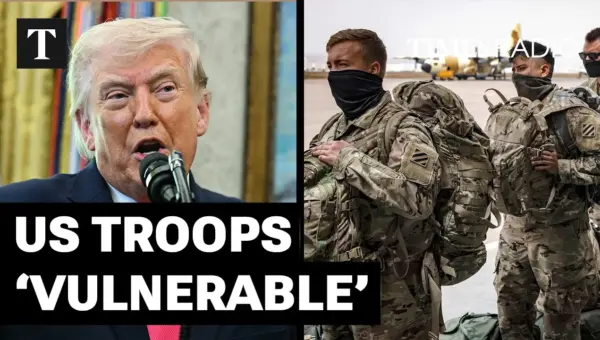
Ex-Army Major Warns of ‘Death Trap’ for US Troops in Iran Conflict
A recent Iranian strike injuring 12 U.S. troops in Saudi Arabia highlights the vulnerability of American forces, according to former Army Major Harrison Mann. He warns that proposed ground operations, particularly on islands like Kharg, could become a "death trap" due to Iran's missile capabilities and the lack of adequate defenses.