Trump’s Crime Plan Works: Memphis Sees Drop in Violence
Memphis is seeing a notable decrease in crime, including theft, robbery, and homicides. This improvement is linked to increased cooperation between local and federal law enforcement. The success raises questions about whether similar strategies can be applied nationwide.

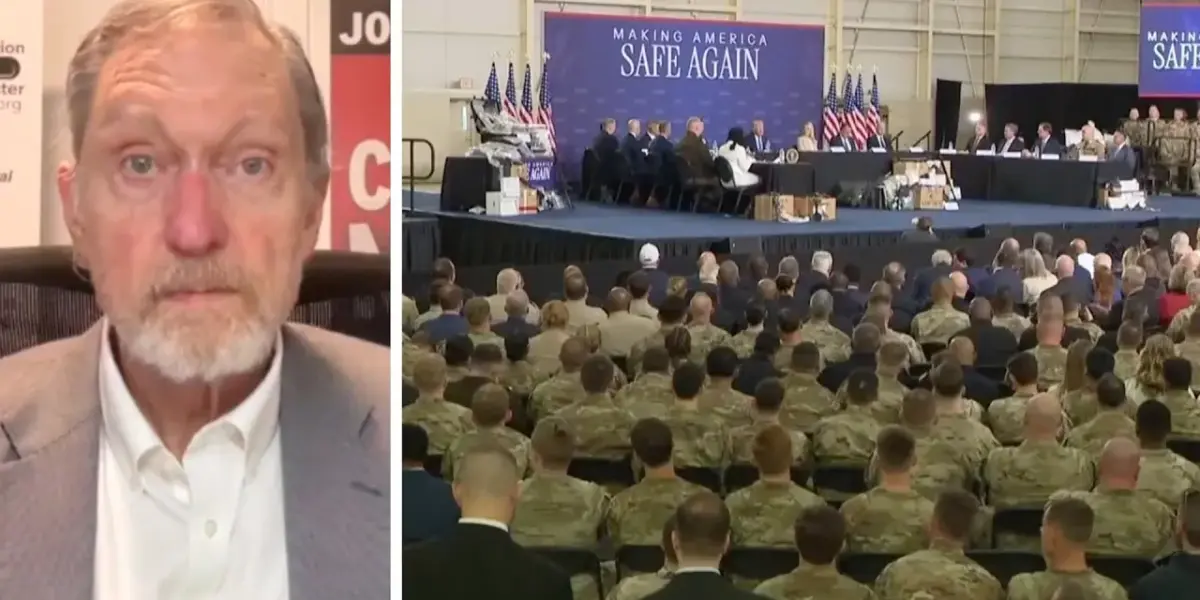
Trump’s Crime Plan Works: Memphis Sees Drop in Violence
President Donald Trump recently visited Memphis to highlight a significant drop in crime across the city. For years, Memphis struggled with high rates of theft, robbery, and murder. However, recent efforts show these numbers are falling. This change comes after local police and federal agencies started working more closely together.
John Lott, who leads the Crime Prevention Research Center, spoke about these developments. He explained what might be causing the crime rates to go down. Lott also discussed how these changes affect people living in neighborhoods most affected by crime. He also considered if other cities could use similar methods to fight crime.
A City’s Turnaround
Memphis has been in the national spotlight for its crime issues. High crime rates can make people feel unsafe and harm a city’s reputation. Residents, especially in poorer areas, often bear the brunt of this violence. They may worry more about their safety and have fewer opportunities.
The recent drop in crime offers a glimmer of hope. It suggests that focused strategies can make a real difference. When police and federal agents combine their resources and share information, they can be more effective. This teamwork can lead to more arrests and fewer crimes happening.
The Role of Federal and Local Cooperation
One key factor mentioned is the increased cooperation between local law enforcement and federal authorities. This partnership can bring more resources and expertise to the table. Federal agencies, like the FBI or DEA, often have tools and reach that local police might not have on their own. Think of it like a small town’s police force teaming up with state troopers and federal agents to catch a dangerous criminal; they can cover more ground and share more information.
This collaboration can help tackle complex criminal networks and reduce specific types of crime that have plagued the city. When different levels of law enforcement work together smoothly, it can lead to a more coordinated and powerful response to crime. This approach is not entirely new, but its success in Memphis is being closely watched.
Impact on Communities
The decline in crime can have a profound positive impact on communities. When streets feel safer, people are more likely to go outside, support local businesses, and engage with their neighbors. This can help rebuild community spirit and trust. For families, it means less fear and more peace of mind.
However, it’s also important to ensure that these crime-fighting strategies are fair and don’t unfairly target certain groups. Police work needs to be done in a way that respects everyone’s rights. The goal is to make communities safer for all residents, not just a select few.
Replicating Success Nationwide?
The question now is whether Memphis’s success can be copied elsewhere. Experts like John Lott suggest that the model of increased law enforcement presence and federal-local cooperation could work in other cities facing similar challenges. The idea is that a strong stance against crime, backed by resources and coordinated efforts, can deter criminals.
However, every city is different. What works in Memphis might need adjustments to fit the unique problems and resources of another city. Factors like the specific types of crime, the community’s trust in police, and the political climate all play a role. It’s not a one-size-fits-all solution.
Historical Context
Concerns about crime have been a major issue in American cities for decades. In the 1980s and 1990s, many cities saw very high crime rates, leading to calls for tougher policing and stricter laws. Over time, crime rates did fall in many places, but specific cities have continued to struggle.
The approach in Memphis seems to echo some of the tougher-on-crime strategies from past eras, but with a modern twist of enhanced federal and local partnerships. This blend of old and new tactics is what makes the Memphis situation particularly interesting to analyze.
Why This Matters
The situation in Memphis matters because it offers a potential roadmap for other cities struggling with rising crime. If a strategy can significantly reduce violent crime and property crime, it’s worth understanding how it works. Safer cities mean better quality of life for residents and stronger local economies.
It also raises important questions about the balance between law enforcement and community relations. While reducing crime is a priority, ensuring justice and fairness for everyone is equally crucial. The long-term success will depend on maintaining these gains while building trust between police and the people they serve.
Looking Ahead
The future outlook for Memphis will depend on whether these crime reduction trends can be sustained. Continued cooperation between law enforcement agencies will be vital. Equally important will be addressing the root causes of crime, such as poverty and lack of opportunity, which often go hand-in-hand with high crime rates.
The national conversation about crime and how to combat it will likely keep a close eye on Memphis. Its experience could influence how cities and the federal government approach crime prevention in the years to come, potentially shaping policies and resource allocation across the country.
Source: Trump’s Strategy of Cracking Down on Crime Bearing Fruit in Memphis: Analyst (YouTube)

Related Articles

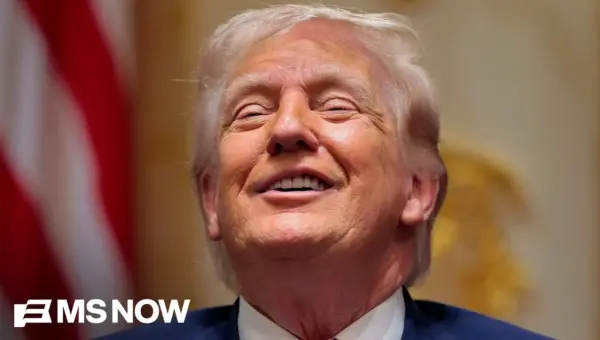
Trump’s Name Everywhere: A ‘Stain’ on GOP Legacy?
Former President Donald Trump's efforts to brand national symbols, including a proposed signature on dollar bills, spark debate. Critics view this as an authoritarian attempt to embed his legacy, potentially staining the Republican Party's history and contrasting with democratic ideals of public ownership.


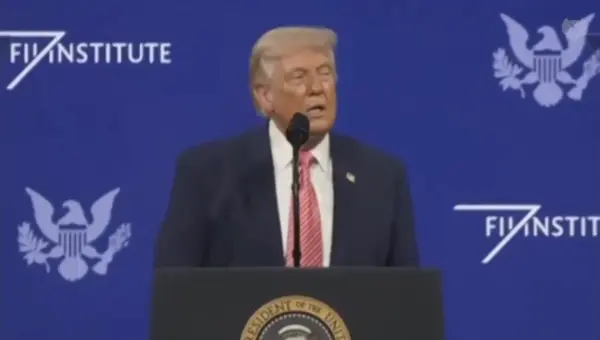
Trump’s War Talk Stuns Financial Crowd
Donald Trump's recent speech in Miami focused on his foreign policy, particularly his critical views on NATO and his vision for international relations. He declared the U.S. would no longer defend NATO allies, questioned the value of existing alliances, and suggested renaming the Strait of Hormuz. The speech also touched on his personal views of success, his allies, and his perceived role as a global peacemaker.
Trump’s Warpath: New Threats Signal Imperial Ambitions
Recent statements from Donald Trump reveal a potential embrace of increased military action and interventionist foreign policy. This approach, characterized by critics as "imperialism 2.0," contrasts with his past promises of peace and has even drawn criticism from parts of his own base. The implications for U.S. global engagement and domestic priorities are significant.