China’s Shadow Looms Over South Korean Elections
Concerns are growing in South Korea over China's potential influence on the nation's elections. With over 970,000 eligible Chinese voters and broader concerns about Beijing's reach, experts worry about the fairness of the democratic process. This situation has significant implications for South Korea's sovereignty and its role as a US ally.

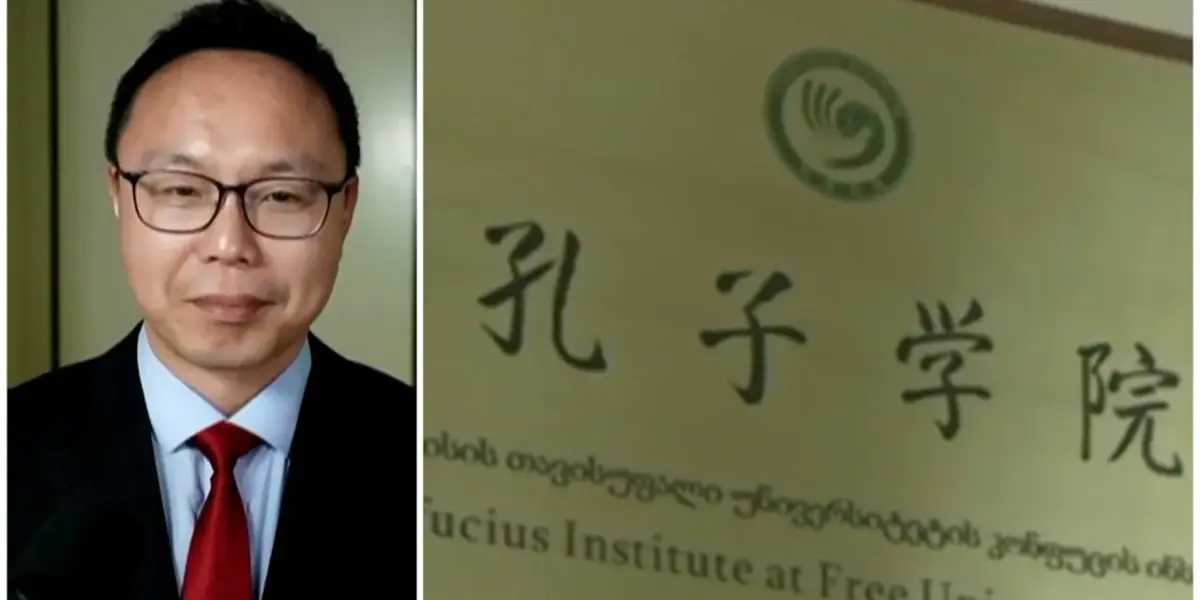
China’s Shadow Looms Over South Korean Elections
Many people in South Korea are worried about China’s growing power to influence their elections. This concern comes from experts who study the region and how other countries interact. It’s a serious issue for a country that is an important friend to the United States.
A Large Voting Bloc
One major point of worry is the large number of Chinese citizens living in South Korea. The number of Chinese nationals who can vote in South Korean elections is surprisingly high, with over 970,000 people eligible. This is not a small number; it’s a significant portion of the population that can cast a ballot.
David Kim, president of Truth Forum, spoke about these concerns. He explained that China’s involvement doesn’t just stop at who can vote. Beijing, the capital of China, seems to have a much wider reach than many people realize. This suggests that the influence might be deeper and more complex than just the voting numbers.
Beyond the Ballot Box
The idea that a foreign government could sway election results in another country is a troubling thought. It raises questions about fairness and the true will of the people. Experts like Mr. Kim are pointing out that China’s influence might be felt in ways that are not immediately obvious. This could include spreading certain ideas, influencing public opinion through media, or even affecting political discussions.
South Korea has a vibrant democracy, and the idea of foreign interference is a threat to that system. The country has a history of navigating complex relationships with its neighbors, but this situation presents a unique challenge. The close ties between South Korea and the United States add another layer to this concern, as any instability could have wider geopolitical effects.
Historical Context
Understanding this issue also requires looking at the broader relationship between China and South Korea. For decades, these two nations have had a complex economic and political relationship. China is a major trading partner for South Korea, which means there’s a significant amount of economic interdependence. However, this economic connection can sometimes be used as a tool for political influence.
In the past, countries have used economic pressure or diplomatic ties to try and shape the decisions of other nations. What Mr. Kim and others are suggesting is that China might be using its influence in a more direct way, specifically targeting the democratic process of South Korea. This is a sensitive topic, as it touches upon national sovereignty and the right of a country to make its own choices without outside interference.
Why This Matters
The potential for a foreign power to influence an election is a serious matter for any democracy. If elections can be swayed by outside forces, then the government that is elected may not truly represent the people. This can lead to a loss of trust in democratic institutions and can destabilize the country.
For South Korea, this is particularly important because it is a key player in regional security and a strong ally of the United States. Any internal political issues or shifts in policy could have ripple effects across East Asia and beyond. It’s like a domino effect; if one piece falls, others can be affected too.
Looking Ahead
The concerns raised by experts like David Kim highlight a growing trend. As countries become more interconnected, the ways in which influence can be exerted also become more varied. Social media, economic ties, and cultural exchanges can all be used, sometimes for good and sometimes with less positive intentions.
For South Korea, the challenge will be to protect its democratic processes while maintaining necessary relationships with its neighbors. Transparency and vigilance will be key. Understanding how influence is being applied and taking steps to counter any negative effects will be crucial for safeguarding its sovereignty. The nation’s commitment to democracy is on display, and how it handles this challenge will be watched closely by the international community.
Source: South Koreans Concerned By Beijing’s Influence On Elections: Expert (YouTube)

Related Articles


G7 Allies Clash Over Iran War Strategy, Urge Focus on Russia
G7 foreign ministers met in Paris, revealing deep divisions over the U.S. war with Iran. European allies urged the U.S. to pressure Russia, linking its actions to the conflict and fearing support for Ukraine will wane.


US Must Block China’s Tech Access for Security
US national security experts are raising alarms about China's access to advanced AI chips, arguing it threatens strategic advantages. This, coupled with charges against Chinese entities for fentanyl precursor sales and a ban on foreign routers, signals a growing effort to prioritize security over business ties.


Iran Blocks China Ships, Exposing Beijing’s Weak Grip
Iran's recent decision to block Chinese ships at the Strait of Hormuz is exposing the limits of Beijing's influence in the Middle East. This action is causing delays and cancellations for Chinese manufacturers, turning a perceived geopolitical win into an economic strain.