Iran’s Regime Survives as Trump Seeks Exit Deal
President Trump is reportedly seeking an exit deal with Iran, despite U.S. military gains. The regime's survival hinges on these negotiations, which are complicated by Iran's history of broken promises and threats to global shipping. The outcome could reshape regional power balances.

Iran’s Regime Survives as Trump Seeks Exit Deal
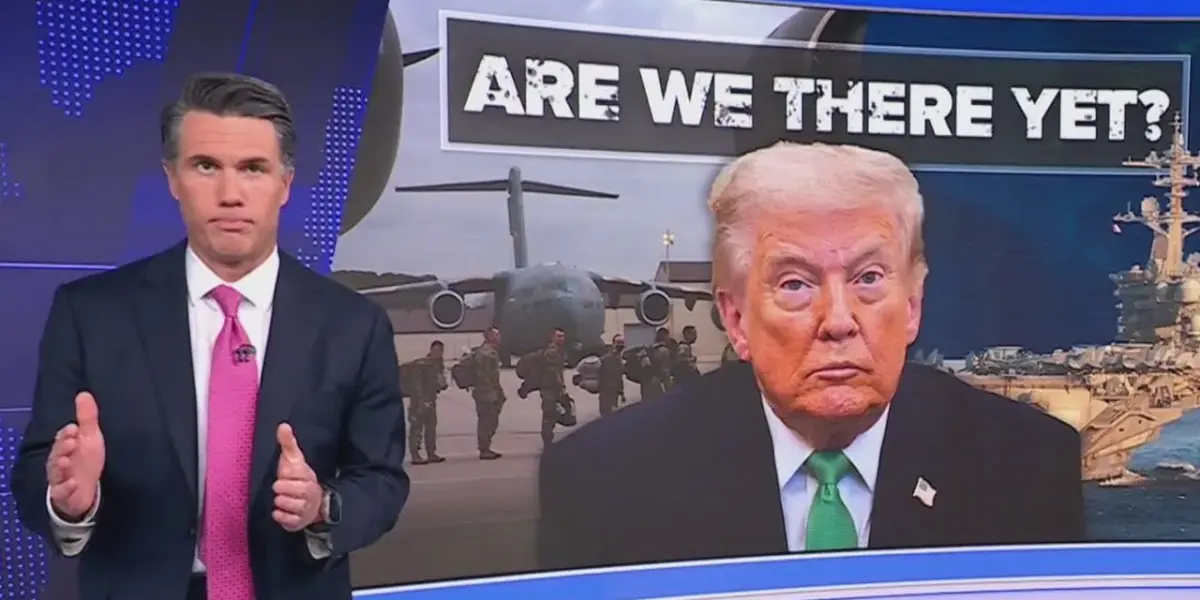
The United States faces a critical choice in its dealings with Iran. If the current Iranian regime remains in power, it can claim victory. This outcome would mean a significant setback for U.S. policy goals. President Trump is reportedly seeking an exit from the conflict. He wants a deal, even if it’s not ideal. He has even claimed victory, suggesting the war is already won.
U.S. Military Success Meets Diplomatic Uncertainty
The U.S. military’s performance in the region has been called extraordinary. Yet, the question arises: why stop now? Recently, President Trump announced Iran has sent him a signal. He stated that Iran is finally dealing with the ‘right people’.
Iran presented the U.S. with a significant prize. This gift was described as substantial, though its exact nature remains undisclosed. It was not related to oil and gas. However, history shows Iranians do not give gifts freely. This gesture comes at a time when the U.S. is close to breaking Iran’s military strength. Despite this, Trump appears open to a deal.
The Challenge of Negotiating with Adversaries
A key principle in diplomacy is that you cannot make a good deal with bad people. This is especially true for those who have shown they can blackmail you. Iran has previously threatened to close the Strait of Hormuz, a vital shipping route. This threat highlights their ability to disrupt global trade.
The U.S. military strategy involves negotiating with force. This means using military power as part of the talks. The presence of troops, like the 82nd Airborne, in the Middle East signals this approach. The U.S. objective is clear: Iran will not obtain nuclear weapons. Ensuring this requires more than just Iranian promises.
Iran’s History of Broken Promises
Iran has a long history of making promises and then breaking them. For two decades, they have pledged not to pursue nuclear weapons. Yet, they have continued to build enrichment facilities deep within mountains. These facilities are where Iran allegedly stores uranium. Reports suggest this is the uranium Iran might offer to turn over.
However, it is widely believed that Iran will never give up its uranium stockpile. This raises doubts about the possibility of a deal. If President Trump does not make a deal, it could be seen as a positive outcome. This is especially true given past predictions that Iran would break any agreement.
Israeli Involvement and Regime Change Doubts
Last year, Israel reportedly wanted to complete actions against Iran. However, Iran managed to influence President Trump. They offered promises that were ultimately unfulfilled. Israeli media reports indicate the U.S. and Israel have granted immunity to at least two Iranian regime members during negotiations. These individuals may include the Foreign Minister and the Speaker of Parliament.
Some suggest this could represent a form of regime change. The idea is that Iran’s leadership has been replaced. However, the Speaker of Parliament has a history of leading chants like ‘Death to America.’ This raises questions about the true intentions of the new leadership.
The Iranian Perspective: Survival of the Revolution
From Iran’s perspective, the main goal is the survival of the Islamic Revolution. If the regime can continue to chant slogans against the U.S. in public, they may consider it a win. This means the Iranian regime believes it can still achieve its objectives and continue its anti-American stance.
Global Impact: A Shifting Balance of Power
The ongoing situation with Iran has significant global implications. It challenges the established international order and creates uncertainty in the Middle East. The U.S. strategy of applying pressure while seeking a diplomatic solution is complex. It involves balancing military strength with the risks of a negotiated settlement.
The economic leverage in this conflict is substantial. Sanctions have been a key tool against Iran. However, Iran’s ability to threaten vital shipping routes, like the Strait of Hormuz, shows its economic power. Control over energy resources and trade routes is a constant source of tension.
Historical Context and Future Scenarios
The current standoff has roots in decades of animosity following the 1979 Iranian Revolution. Past agreements and diplomatic efforts have often faltered due to mistrust and differing objectives. This history suggests that any future agreements will face significant hurdles.
Several future scenarios are possible. The U.S. could pursue a more aggressive military approach, aiming for regime change. Alternatively, a diplomatic deal, however imperfect, might be reached. There is also the possibility of continued stalemate, with ongoing tensions and sporadic confrontations. The outcome will depend on the decisions made by leaders in Washington and Tehran, as well as the evolving regional dynamics.
Source: Trump loses Iran war if regime remains in power: Vittert | On Balance (YouTube)

Related Articles

G7 Allies Clash Over Iran War Strategy, Urge Focus on Russia
G7 foreign ministers met in Paris, revealing deep divisions over the U.S. war with Iran. European allies urged the U.S. to pressure Russia, linking its actions to the conflict and fearing support for Ukraine will wane.

Iran Blocks China Ships, Exposing Beijing’s Weak Grip
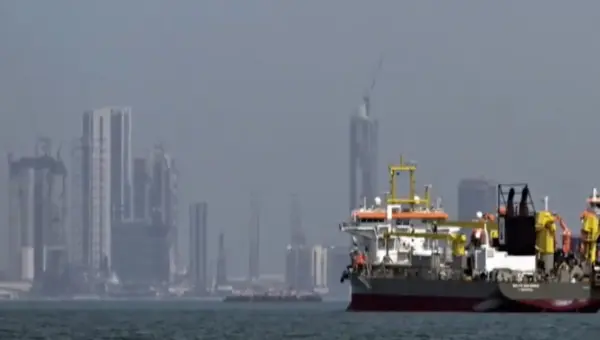
Iran's recent decision to block Chinese ships at the Strait of Hormuz is exposing the limits of Beijing's influence in the Middle East. This action is causing delays and cancellations for Chinese manufacturers, turning a perceived geopolitical win into an economic strain.
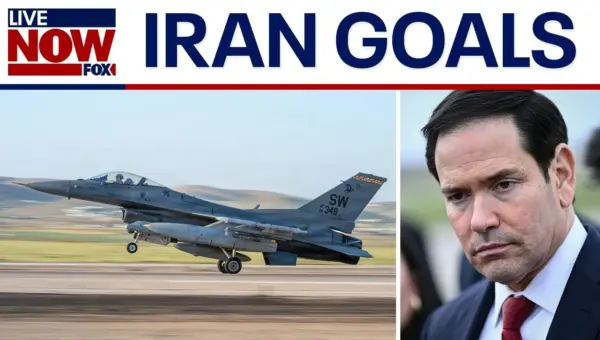
Rubio: US Can Achieve Iran War Goals Without Troops
Senator Marco Rubio outlined a strategy to counter Iran without deploying U.S. ground troops, focusing on weakening the regime and enhancing maritime security. He also criticized Cuba's economic system and expressed concerns about West Bank violence.