Air Traffic Control Under Scrutiny After LaGuardia Plane Crash
The NTSB is intensely investigating a fatal crash at LaGuardia Airport, with air traffic control communication and workload under close examination. Recovered black boxes and surveillance data will be key to understanding the events that led to the collision, which killed two pilots. The investigation emphasizes that such accidents are typically caused by multiple errors, not a single mistake.

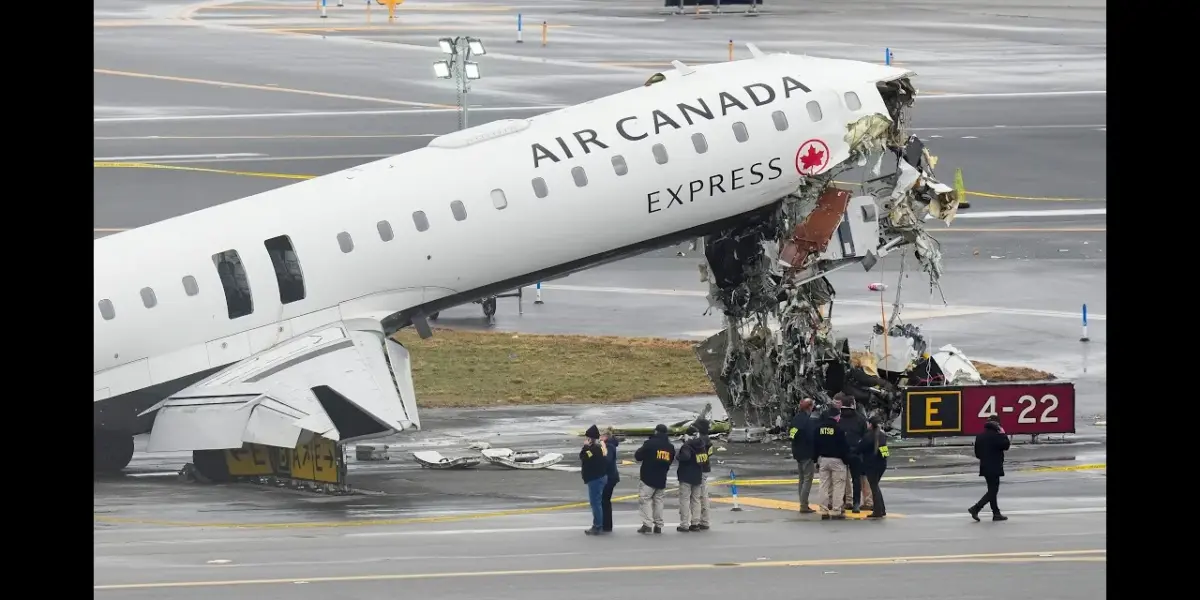
LaGuardia Crash: Air Traffic Control Faces Intense Scrutiny
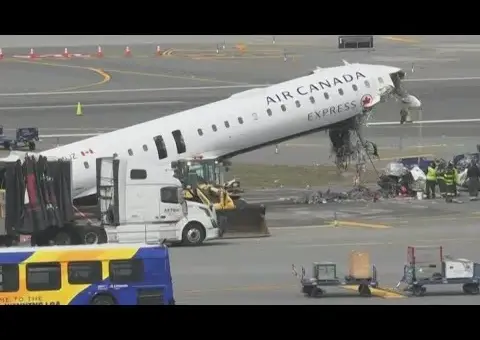
A deadly crash at LaGuardia Airport has put air traffic control directly in the spotlight. The National Transportation Safety Board (NTSB) has launched a full investigation into the collision that claimed the lives of two pilots. Early indications suggest that the actions and communications of air traffic controllers are a primary focus for investigators.
Key Questions for Air Traffic Control
NTSB Chairwoman Jennifer Hamundee shared that her agency has many questions for air traffic control. These questions cover a wide range of issues. They want to understand the workload controllers had at the time of the incident. Investigators are also looking into who was communicating with whom. They need to know who was physically present in the tower and the control facility. A key area of interest is the handover process for the midnight shift, the team that would have been on duty during the crash.
“They have a lot of questions for air traffic control… everything from workload at the time, who was communicating, who was in the tower cab, who was in the facility, what the changeover was like for the uh new shift, which is the midnight shift.”
Examining the Evidence
Investigators have successfully recovered the plane’s “black boxes.” These crucial devices include the cockpit voice recorder and the flight data recorder. They will provide invaluable insights into the final moments before the crash. The cockpit voice recorder will reveal conversations between the pilots. The flight data recorder will show critical information about the aircraft’s performance. Beyond the black boxes, the NTSB will also review surveillance footage and air traffic control data. A major part of the probe will be reconstructing the exact positions of the aircraft and the fire truck leading up to the collision.
Multiple Factors Likely Involved
Chairwoman Hamundee stressed that it is still too early to assign blame. She pointed out that accidents of this nature are rarely caused by a single mistake. Instead, they are typically the result of a chain of multiple errors. This suggests a complex set of circumstances likely contributed to the tragedy. The NTSB plans to hold a press conference soon to release more details as they become available.
Airport Disruptions Continue
The incident has had a significant impact on airport operations. LaGuardia Airport is experiencing widespread delays and cancellations. The Federal Aviation Administration (FAA) has stated that one of the airport’s two runways will remain closed for an extended period. This closure will continue to affect travel plans for many passengers.
Why This Matters
This investigation is critical because it directly addresses the safety of air travel. Air traffic control is the central nervous system of aviation safety. Any breakdown in communication or procedure can have devastating consequences. Understanding the factors that led to this crash is essential for preventing future tragedies. The NTSB’s findings will likely lead to recommendations for improved training, staffing, or procedures within air traffic control. This ensures that the skies remain as safe as possible for everyone.
Historical Context and Trends
While every aviation accident is unique, investigations often reveal common themes. Issues related to controller workload, staffing levels, and the complexity of modern air traffic management have been raised in past incidents. As air traffic increases and new technologies are introduced, the demands on air traffic controllers grow. The NTSB’s focus on the shift change and communication protocols highlights the importance of seamless operations, especially during transitions. Ensuring that controllers are well-rested, adequately supported, and effectively communicating is a constant challenge for aviation authorities worldwide.
Future Outlook
The coming weeks and months will be crucial as the NTSB conducts its thorough investigation. The public will be looking for clear answers and concrete steps to enhance safety. Lessons learned from this LaGuardia crash will undoubtedly influence future safety protocols and training programs. The aviation industry will be watching closely, ready to implement any necessary changes to uphold its strong safety record. The goal is always to learn from every incident and make flying even safer.
Source: LaGuardia Crash Probe Focusing on Air Traffic Control (YouTube)

Related Articles
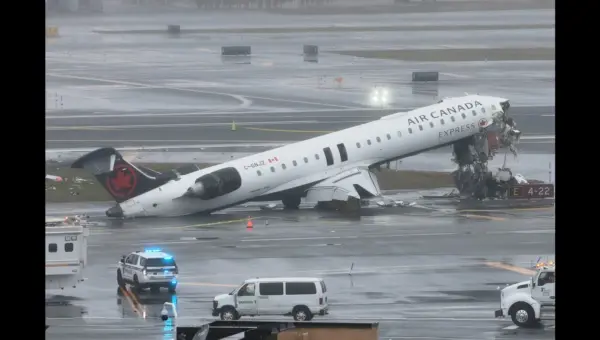
LaGuardia Runway Reopens After Deadly Crash, Safety Lapses Exposed
LaGuardia Airport's main runway has reopened after a fatal crash involving an Air Canada Express jet and a fire truck. The incident, which killed two pilots, exposed critical failures in airport safety systems, including ground surveillance and transponder use.

Iran War Talks Ignite, Airport Chaos Deepens
President Trump confirms peace talks with Iran are underway, while US airports face ongoing chaos due to the DHS shutdown. Investigations into a fatal LaGuardia crash reveal systemic safety issues, with experts citing controller fatigue and staffing shortages. Meanwhile, the search for a missing elderly woman continues in harsh desert terrain, highlighting diverse challenges facing the nation.
Air Safety Fears Soar After Deadly Crash
A fatal crash at LaGuardia Airport has triggered a national review of air safety, revealing a pattern of close calls and communication issues at U.S. airports. Investigators are examining technology and staffing, as calls grow for urgent safety upgrades.