Iran’s LNG Strike Boosts US Energy, Hurts China’s Imports
Iran's strike on Qatar's LNG facilities offers a strategic boost to U.S. energy exports while creating significant import challenges for China. The incident highlights the regional nature of LNG markets and China's struggles with domestic production, potentially reshaping global energy trade dynamics.

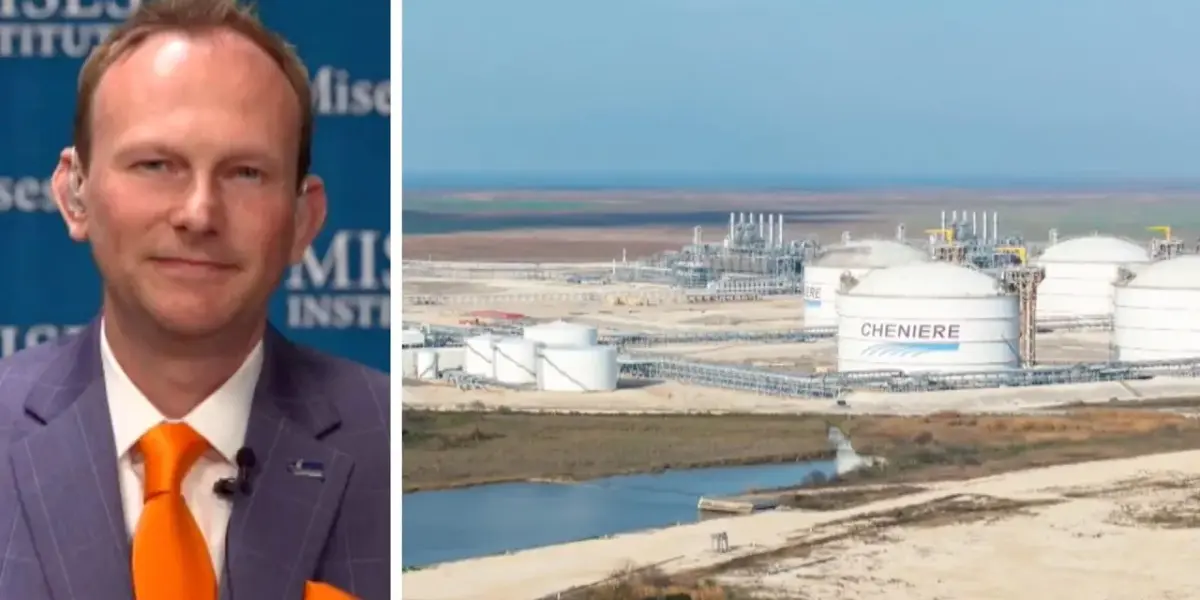
Iran’s LNG Strike: A Boon for US, a Blow for China
A recent strike by Iran on Qatar’s liquefied natural gas (LNG) facilities has sent ripples through the global energy market. While the immediate impact on U.S. gas prices might be small, the event highlights a growing divide between American energy dominance and China’s struggles to secure vital fuel supplies. Analysts suggest this incident could create new opportunities for U.S. producers while posing significant challenges for Asian markets, especially China.
Understanding Liquefied Natural Gas
To grasp the situation, it’s important to understand what liquefied natural gas is. Natural gas, often extracted from underground rock formations like shale, is cooled down until it becomes a liquid. This process, called liquefaction, allows the gas to be stored and transported more easily across oceans in special ships. The United States is currently the world’s largest exporter of this crucial energy source.
Unlike oil, which powers vehicles and jets, LNG is primarily used for heating homes, generating electricity, and running industrial operations. This distinction became clear in 2022 when Russia’s invasion of Ukraine disrupted Europe’s natural gas supply. The U.S. stepped in, increasing its LNG exports to Europe and other Asian nations.
Iran’s Strategy and Market Regionalization
Experts believe Iran’s tactic in targeting LNG infrastructure is not about winning battles but about creating sustained disruption to global energy markets. Despite about 20% of the world’s LNG passing through the Strait of Hormuz, the U.S. market hasn’t seen major price shocks. This is largely because the LNG market is more regional than the global oil market.
Alex Munton, director at Rapidan Energy Group, points out that while oil prices are closely watched by consumers filling their cars, LNG serves a different, essential purpose. The regional nature of LNG trade means that disruptions in one area don’t always translate directly to price changes everywhere.
China’s LNG Quandary
The situation presents a particular challenge for China. While China possesses extensive shale deposits, similar to the U.S., it faces significant hurdles in extracting and processing natural gas. The shale rock is often located in remote areas, making access difficult. Additionally, China lacks the abundant water resources and suitable climate found in the U.S. for efficient fracking operations. The gas reserves are also deeper underground, making extraction more costly and complex.
These geological and climatic disadvantages, combined with a reliance on slower, state-owned enterprises compared to the innovative private companies that drove the U.S. shale revolution, mean China cannot quickly ramp up its own LNG production. This lack of domestic capacity makes China heavily dependent on imports.
Impact on Global Supply Chains
The strike in Qatar, a major LNG supplier, has led energy procurement agencies to declare force majeure, a legal term meaning they cannot fulfill contracts due to unforeseen circumstances. About a fifth of Qatar’s production has been affected, which is a significant blow. This disruption is expected to hit East Asian markets the hardest, as they are major importers of Qatari LNG, with China being a key destination.
Rebuilding and repairing damaged LNG facilities is also a lengthy and sensitive process. It requires careful cooling and heating to prevent further damage, potentially taking many years to restore production levels. This extended downtime exacerbates the supply shortage for importing nations.
Opportunities for U.S. Producers
As supply tightens from regions like Qatar, demand for LNG from reliable sources is expected to rise. Analysts suggest that countries historically dependent on other suppliers will increasingly look to the United States. This presents a significant opportunity for American LNG exporters, potentially boosting the domestic industry.
Ken Medlock, an energy market researcher at Rice University, notes that U.S. LNG prices would only rise if there’s a sudden surge in demand for U.S. exports. With established allies in Europe and growing demand in Asia, the U.S. appears well-positioned to meet this increased need.
Broader Geopolitical and Economic Context
The events also bring to light complexities in other energy markets, particularly concerning China’s oil imports. China was a major buyer of oil from both Iran and Venezuela. With current disruptions, China faces difficulties not only with LNG but also with its oil supply, creating a more challenging geopolitical energy dynamic.
Furthermore, the situation highlights the inherent risks of long-term energy infrastructure projects. Countries that invested in pipelines might have felt secure, but the shift to sea-based LNG transport, intended to avoid such pipeline vulnerabilities, has now exposed them to different threats, such as attacks on shipping or export facilities.
Market Volatility and Future Outlook
The global energy market remains highly sensitive to geopolitical events and even public statements from political figures. While oil prices saw a temporary dip, the overall environment is volatile. Analysts hope for a swift resolution to conflicts to stabilize prices and ease economic pressures.
Looking ahead, the U.S. energy sector may see increased investment and export capacity. The ongoing developments in Venezuela, which holds the world’s largest oil reserves but has struggled with production due to sanctions and mismanagement, could also reshape energy dynamics in the Western Hemisphere. The U.S., with its refining capabilities, is poised to play a key role in how Venezuelan oil enters the global market. This period of energy market upheaval, much like the shifts seen after the Russia-Ukraine war, will likely redefine global energy sourcing and trade for years to come.
Why This Matters
This incident underscores the intricate and interconnected nature of global energy markets. For consumers, it means potential price fluctuations, though direct impacts on U.S. gasoline prices from LNG disruptions might be limited. For nations like China, it highlights the vulnerabilities of relying on imported energy and the difficulties in developing domestic resources. For the United States, it represents a strategic advantage and an opportunity to solidify its position as a leading global energy supplier, influencing geopolitical relationships and economic stability worldwide.
Source: Iran’s Strike on Qatari LNG Plant an Opportunity for US Producers, a Challenge for China: Analyst (YouTube)

Related Articles


Iran Targets US With Cyberattacks, Escalating Digital Warfare
Iran is increasingly using cyberattacks to challenge the U.S., as seen in a recent hack of the FBI director's account. Experts say this is a strategic shift due to Iran's limitations in conventional warfare. The U.S. needs to strengthen its digital defenses, focusing on encryption and cloud computing, rather than solely relying on traditional security measures.


Iran Hacks FBI Chief, Exposing U.S. Cyber Vulnerabilities
A recent hack of FBI Director Kash Patel's personal email by an Iran-linked group highlights Iran's growing cyber threat to the U.S. Experts explain how simple security oversights are exploited, emphasizing the need for basic defenses like two-factor authentication to protect against propaganda and potential infrastructure attacks.


Trump Halts Iran Strikes Amid Stalled Diplomacy
President Trump announced a pause on planned strikes against Iran, citing productive talks, though Iran denies negotiations occurred. Reports also suggest a potential U.S. ground operation on Iran's Hark Island. The situation raises concerns about international support for Ukraine and potential shifts in U.S. foreign policy.