Australia and EU Forge Alliance Against China’s Mineral Grip
Australia and the EU have signed an 8-year trade deal removing tariffs on most goods and critical minerals. The pact aims to reduce reliance on China's supply chain dominance, though some Australian farmers criticize limited market access. This strategic alliance strengthens economic and security ties between the two allies.

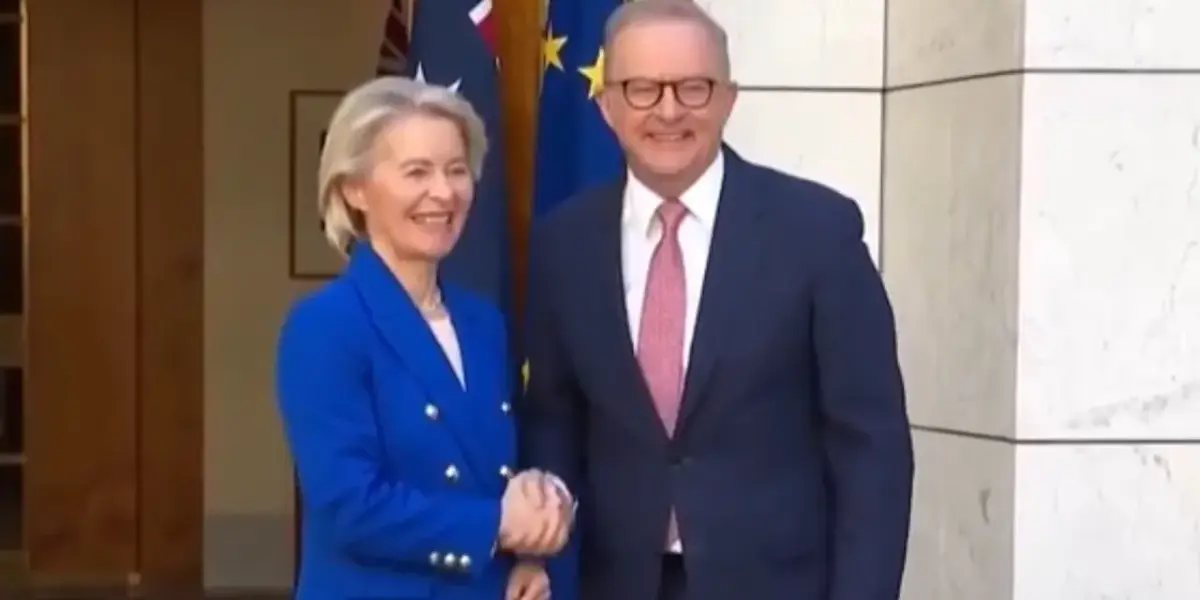
Australia and EU Forge Alliance Against China’s Mineral Grip
In a significant move designed to reshape global trade, Australia and the European Union have finalized a major trade agreement. This deal, eight years in the making, aims to reduce economic reliance on China, particularly concerning critical minerals. It lifts tariffs on almost all goods traded between the two regions, fostering closer economic and security ties between two key Western allies.
Key Benefits and Criticisms of the Trade Pact
The new agreement promises to eliminate over 99% of tariffs on goods flowing from the EU to Australia. This change is expected to save businesses around $1.2 billion annually by cutting existing duties. For Australia, the deal is projected to boost its economy by $10 billion each year. Australian Prime Minister Anthony Albanese highlighted that the pact will lower barriers to trade and investment, opening up a market of roughly 450 million people in the EU.
However, the agreement is not without its critics. Some Australian agricultural producers, especially those in the beef and sheep meat sectors, have voiced strong disappointment. They argue that the deal provides only limited access to the European market for their products. These farmers feel the pact falls short of what they hoped for, leading to what they describe as “subpar access.” This criticism points to a divide between the strategic goals of the trade deal and the immediate needs of certain Australian industries.
A Strategic Response to Global Shifts
The timing of this trade deal is particularly noteworthy. Both Australia and the EU have increased their focus on such agreements following higher tariffs imposed by the United States under the Trump administration. More importantly, there is growing concern in the West about China’s significant control over the global supply of rare earth elements and other vital minerals. These materials are crucial for modern technologies, from smartphones to electric vehicles and defense systems.
European Commission President Ursula von der Leyen emphasized the strategic importance of this partnership. She stated that securing reliable access to critical minerals is a “strategic imperative.” Von der Leyen explained that reducing dependence on any single supplier for these essential ingredients is vital for the West’s success. “We cannot be overdependent on any supplier for such crucial ingredients,” she said, underscoring the mutual need for this collaboration. EU exports to Australia are predicted to grow by as much as 33% over the next decade, showing the potential economic upside.
Historical Context and Future Outlook
Historically, global trade agreements have often focused on reducing tariffs to boost economic growth. However, recent geopolitical shifts have added a new layer of complexity. Concerns over national security, supply chain resilience, and the influence of major global players like China are now driving trade policy. This Australia-EU deal reflects a broader trend of nations seeking to diversify their economic partnerships and secure access to essential resources.
The agreement also includes provisions to strengthen security and defense cooperation between Australia and the EU. This dual focus on trade and security suggests a coordinated effort to build a more stable and predictable international environment. As technology advances and the demand for critical minerals grows, deals like this will become increasingly important. They signal a move towards forming stronger alliances based on shared values and strategic interests, aiming to create more balanced global supply chains.
Why This Matters
This trade deal is more than just an economic exchange; it’s a geopolitical statement. It demonstrates a united front between two major democratic powers looking to counter the growing economic influence of China. By securing access to Australia’s rich mineral resources, the EU aims to reduce its vulnerability to supply disruptions or political pressure. For Australia, it provides a vital market for its minerals and strengthens its position as a reliable partner for Western nations. The pact highlights a global trend towards forming strategic economic blocs to ensure stability and security in critical supply chains.
Source: Australia and EU Sign Trade Deal to Counter China Export Threat (YouTube)

Related Articles


Mexico Navigates US-China Rivalry
Mexico is caught in a geopolitical tug-of-war between the United States and China. The nation must carefully balance its economic needs and strategic interests with both superpowers. This situation highlights Mexico's growing importance in global affairs.
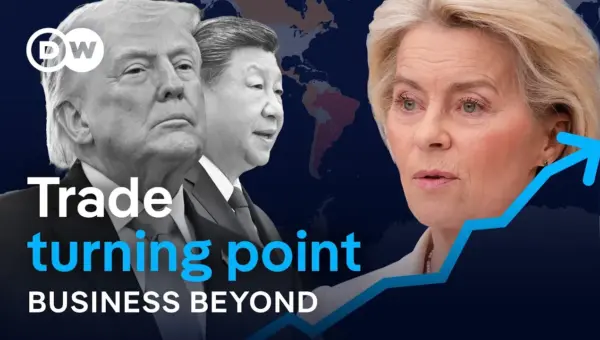
Europe Strikes New Trade Deals, Eyes Global Influence
The European Union is actively forging new trade alliances, notably with South American nations like Brazil, to reduce reliance on China and the US. Driven by the need for critical resources like rare earth metals and the desire to boost its own industries, Europe is making strategic concessions and seeking new markets, despite facing internal criticism and a changing global economic landscape.
China Sends Old Jets Reborn as Drones Toward Taiwan
China has converted old J6 fighter jets into attack drones, deploying over 200 near Taiwan. These drones could overwhelm air defenses and present a costly challenge for Taiwan's interceptors. This move highlights evolving military tactics and regional tensions.