Meta Fined $375M in New Mexico Child Exploitation Lawsuit
A New Mexico jury has ordered Meta to pay $375 million in damages, finding the social media giant liable for violating state law in a child sexual exploitation case. The state argued Meta's platforms fostered a dangerous environment for minors. Meta plans to appeal the verdict.


Meta Found Liable in Landmark Child Exploitation Case
A jury in New Mexico has found social media giant Meta, the parent company of Facebook and Instagram, liable for violating state law concerning child sexual exploitation. The verdict, reached after 7.5 hours of deliberation, orders Meta to pay $375 million in damages. This ruling marks a significant moment in the ongoing legal battles faced by major tech companies regarding user safety and online harms.
State Accuses Meta of Creating Breeding Grounds for Predators
The lawsuit was brought by the State of New Mexico, led by its Attorney General, under a consumer fraud statute. The state argued that Meta’s platforms, specifically Instagram and Facebook, were intentionally designed in ways that made them breeding grounds for sexual predators. The core of the state’s argument was that Meta willfully concealed these dangers from its users, thereby causing harm and violating consumer protection laws. The jury’s decision clearly indicates their agreement with this assessment.
“We respectfully disagree with the verdict and will appeal,” a Meta spokesperson stated. “We work hard to keep people safe on our platforms and are clear about the challenges of identifying and removing bad actors or harmful content. We will continue to defend ourselves vigorously, and we remain confident in our record of protecting teens online.”
Understanding the Legal Basis: Consumer Fraud
The New Mexico case was built on the premise of consumer fraud. This type of law prevents companies from being deceptive in ways that harm consumers. For Meta to be found liable under this statute, particularly with the significant penalty, the jury needed to find that the company acted willfully. This means they had to believe Meta acted purposefully, potentially to maximize profits, while being aware of the risks and harms associated with its platforms. The $5,000 per violation penalty underscores the seriousness with which the jury viewed Meta’s actions.
Distinguishing Cases: New Mexico vs. California Trials
It is important to note the distinctions between this New Mexico verdict and another high-profile trial currently underway in California. While both involve social media platforms and user safety, the legal frameworks and specifics differ. The California trial, which has seen eight days of jury deliberation so far, involves both Meta and Google. The jury in that case is reportedly struggling with reaching a consensus, having sent a question to the judge indicating disagreement on one particular defendant.
New Mexico Trial Tactics: Using Fake Profiles
The New Mexico trial utilized a specific tactic to present evidence to the jury. The Attorney General’s office created fake profiles to demonstrate the presence and ease of exploitation on Meta’s platforms. This direct approach allowed the jury to see firsthand the alleged dangers that the state argued Meta was failing to adequately address. This contrasts with the California case, which is described as more complicated due to the involvement of two major tech companies and the need for the jury to consider each defendant separately.
Broader Implications for Big Tech and Online Safety
This $375 million verdict against Meta is a significant development with far-reaching implications for the entire tech industry. It sends a strong message that platforms can be held accountable for the harms that occur on their services. As juries and legal systems grapple with the complexities of the digital age, cases like this will help shape the future of online safety regulations and corporate responsibility. The outcome could influence how other states and jurisdictions approach similar lawsuits and may push social media companies to implement more stringent safety measures.
What’s Next? Appeals and Ongoing Litigation
Meta has already stated its intention to appeal the New Mexico verdict, indicating a protracted legal battle ahead. Meanwhile, the deliberations continue in the California trial, where a verdict is still pending. The outcomes of these ongoing cases will be closely watched, as they have the potential to set crucial legal precedents for how social media platforms are regulated and held accountable for user safety in the years to come.
Source: Jury in New Mexico finds Meta violated state law in child exploitation case (YouTube)

Related Articles

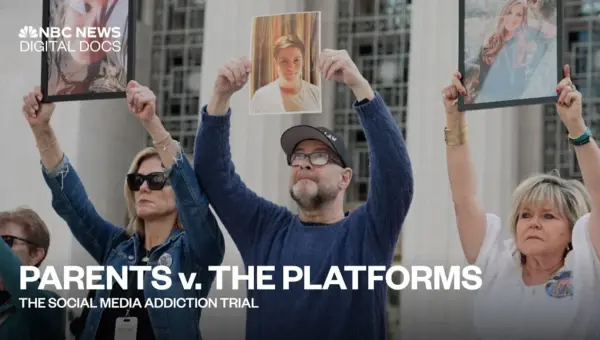
Parents Win Landmark Social Media Trial Against Big Tech
A landmark trial in Los Angeles has concluded with a jury finding Meta and YouTube liable for harm caused by their platforms' addictive designs. Parents who lost children to social media-related issues celebrated the verdict, calling it a victory for a generation. Tech companies maintain their stance, arguing mental health is complex and cannot be solely blamed on apps.

Meta, YouTube Lose Landmark Cases Over Teen Harm
Meta and YouTube have been found liable in landmark cases alleging their platforms contribute to harm among teenage users. Juries saw through company denials after prosecutors presented damning internal documents showing awareness of negative impacts. This ruling could lead to significant changes in how social media companies are held accountable.

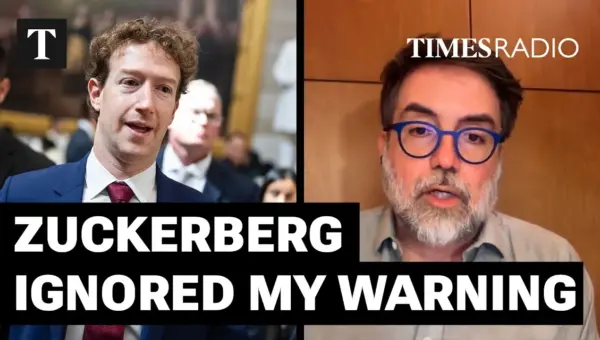
Meta Whistleblower: Zuckerberg Ignored Child Safety Warnings
A former Instagram executive revealed that Meta knew about the harm its platforms caused to children but failed to act. Art Behar testified that Mark Zuckerberg ignored his direct warnings, highlighting the addictive design and ineffective safety tools on Instagram. The recent Los Angeles ruling against Meta has opened the door for greater scrutiny of big tech's practices.