Iran’s Strait of Hormuz Gambit: Trump’s Tweets Fuel Economic Leverage
Donald Trump's public commentary on the Strait of Hormuz inadvertently boosted Iran's economic leverage. Iran is now using this vital shipping lane as a tool to inflict global economic pain, hoping to force concessions. This situation highlights the power of economic warfare in international relations.


Iran’s Strait of Hormuz Gambit: Trump’s Tweets Fuel Economic Leverage
Donald Trump’s approach to Iran has been marked by a critical weakness from the very beginning. His tendency to publicly express frustration and anger, particularly on social media, gave Iran a clear advantage. This constant online commentary revealed his concerns, allowing Iran to understand and exploit his reactions. It’s as if Trump’s social media posts became a roadmap for Iran’s strategy.
The core of Iran’s leverage lies in the Strait of Hormuz, a narrow waterway crucial for global oil transport. While the United States possesses superior military might, Iran holds a unique economic weapon. They understand that disrupting this vital shipping lane would cause significant economic pain worldwide. This includes higher prices for gas and airline tickets, affecting everyone from individual consumers to global industries.
The Power of a Choke Point
Josh Lipsky, senior director at the Atlantic Council’s geoeconomic center, explained this dynamic. He noted that Iran has recognized its “asymmetric economic leverage” over the world. This power comes directly from controlling the Strait of Hormuz. Iran knows that countries, including the U.S., want to avoid escalating energy costs. This awareness allows Iran to use the threat of disruption as a bargaining chip.
Historically, the Strait of Hormuz has been a point of tension. Its strategic importance means that any instability there has immediate global repercussions. Iran’s strategy isn’t about winning a direct military conflict with the U.S. or its allies. Instead, it focuses on inflicting economic damage, hoping to force concessions from other nations.
Trump’s Social Media Impact
Donald Trump’s public statements about the Strait of Hormuz played directly into Iran’s hands. By constantly talking about it and showing his agitation, he signaled its importance and his vulnerability. This gave Iran confidence that they could manipulate the situation. It was a missed opportunity for strategic silence, which could have kept Iran guessing about U.S. priorities.
When a leader shows they are worried about a specific issue, adversaries can use that as leverage. Iran saw Trump’s online rants and realized they had found a way to exert pressure. They understood that even if they couldn’t win a war, they could certainly make the world economy suffer. This economic squeeze is their primary tool.
Iran’s Gamble and the Current Administration
Iran’s current gamble is to cause enough economic disruption to make the U.S., Israel, and other nations back down. They are using their control over the Strait of Hormuz to achieve this goal. The recent actions in the region, while perhaps not a direct military challenge, serve to highlight this economic threat.
The current administration faces the difficult task of managing this economic pressure. They are seeking ways to lessen the economic impact of any potential disruptions. This involves navigating complex international relations and finding solutions that do not involve further escalation. The challenge is to counter Iran’s economic leverage without provoking a wider conflict.
Why This Matters
This situation highlights how communication, especially in the digital age, can have significant geopolitical consequences. A leader’s public statements can inadvertently provide valuable intelligence to adversaries. Iran’s ability to leverage the Strait of Hormuz shows that economic power can be as potent as military might. It underscores the interconnectedness of the global economy and the vulnerability of critical supply chains.
Implications and Future Outlook
The ongoing tension around the Strait of Hormuz suggests that economic warfare will continue to be a significant factor in international relations. Countries with strategic choke points will likely continue to explore ways to use them for leverage. For the U.S. and its allies, this means developing strategies to mitigate economic risks and ensure the stability of global trade routes.
The future outlook involves a delicate balancing act. Nations will need to find ways to deter aggression while also managing economic stability. The lessons learned from Iran’s use of the Strait of Hormuz will likely influence future diplomatic and security strategies. It’s a reminder that in global politics, economic vulnerabilities can be as critical as military strengths.
Source: Trump is SPIRALING (YouTube)

Related Articles


Iran Targets US With Cyberattacks, Escalating Digital Warfare
Iran is increasingly using cyberattacks to challenge the U.S., as seen in a recent hack of the FBI director's account. Experts say this is a strategic shift due to Iran's limitations in conventional warfare. The U.S. needs to strengthen its digital defenses, focusing on encryption and cloud computing, rather than solely relying on traditional security measures.

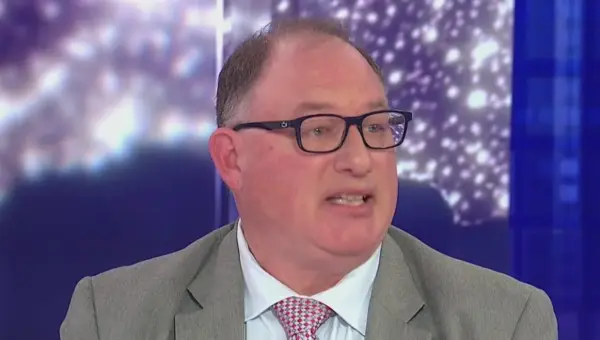
Iran Hacks FBI Chief, Exposing U.S. Cyber Vulnerabilities
A recent hack of FBI Director Kash Patel's personal email by an Iran-linked group highlights Iran's growing cyber threat to the U.S. Experts explain how simple security oversights are exploited, emphasizing the need for basic defenses like two-factor authentication to protect against propaganda and potential infrastructure attacks.
Ukraine Strikes Russian Oil Refinery, Eyes Iran Threat
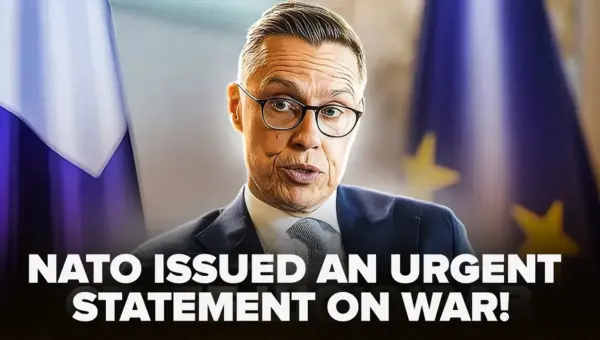
Ukrainian forces struck a key Russian oil refinery, disrupting Moscow's war capabilities. Meanwhile, Finland's president urged continued U.S. support for Ukraine, as Kyiv shares its air defense expertise globally amid growing geopolitical complexities involving Iran and potential sanctions against Hungary.