Journalists Fight Pentagon’s Tight Grip on Access
A federal judge ruled that the Pentagon's policy restricting press credentials based on potential "security risks" violates the First Amendment. The decision came after a lawsuit by The New York Times and other media outlets, who argued the policy amounted to viewpoint discrimination and a gag order. The discussion also honored Robert Mueller's legacy of public service and touched on the Supreme Court's review of mail-in voting laws.


Judge Rules Pentagon Policy Violates First Amendment
A federal judge has ruled that a new policy by the Department of Defense, requiring journalists to essentially promise not to ask tough questions to receive press credentials, violates the First Amendment. The ruling came after a lawsuit filed by The New York Times and joined by a wide range of media outlets, including Fox News.
Pentagon’s New Policy: A Gag Order for Reporters?
For decades, the Pentagon has provided press credentials and even office space to journalists, allowing them to report on defense matters. However, in September 2025, the Pentagon announced a new policy. This policy stated that press credentials could be denied or revoked if a journalist was seen as a security risk. This risk could include unauthorized access to information or the disclosure of sensitive department data.
Reporters interpreted this as a directive to only report what the Department of Defense officially released. They argued that asking questions or seeking information beyond official statements could lead to them being deemed a security risk. This effectively meant they could only report what the Pentagon spoon-fed them.
Legal Challenges: Vagueness and Discrimination
The lawsuit argued that the policy was unconstitutional on several grounds. First, it violated the Fifth Amendment’s due process clause because the policy was too vague. Journalists didn’t know what specific actions would lead to losing their credentials. This lack of clear rules meant the policy could be applied arbitrarily.
The court also found that the policy could lead to abuse of discretion. This means the Pentagon could apply the rules in a discriminatory way, favoring certain outlets over others based on their viewpoints. This could lead to what is known as viewpoint discrimination, where the government tries to control the message by favoring friendly reporters and punishing critical ones.
First Amendment Concerns: Viewpoint Discrimination
The core of the First Amendment argument is that while the Pentagon can control who enters its building, it cannot do so in a way that discriminates based on viewpoint. The judge noted that the policy, while appearing neutral on its face, was applied in a discriminatory manner. Evidence showed that the Pentagon leadership was openly hostile to the mainstream media but receptive to outlets that supported the Trump administration.
For example, after The New York Times reported on alleged misuse of a messaging platform by Secretary Hegsth, the Pentagon’s press secretary posted on X, calling the Times and other news organizations “Trumphating media” obsessed with destroying anyone committed to President Trump’s agenda. This language, the judge noted, revealed the true intent behind the policy: to suppress unfavorable reporting.
A United Front for Press Freedom
The fact that a wide array of media organizations, from The New York Times to Fox News, stood together in this lawsuit is significant. It highlights a shared concern for press freedom and the right to report without fear of reprisal. This united front sent a strong message that journalists, regardless of their political leaning, will defend their ability to ask critical questions and hold powerful institutions accountable.
Mueller’s Legacy: A Call to Public Service
The discussion also touched upon the legacy of Robert Mueller. Both hosts, having served in government, reflected on Mueller’s decades of public service. They described him as a figure who epitomized dedication and integrity, particularly during his time as FBI Director and as Special Counsel investigating Russian interference in the 2016 election.
Mueller’s career was marked by a commitment to doing what was right, even when faced with immense pressure and public scrutiny. His approach to leadership, as illustrated by his handling of the FBI’s training materials post-9/11 and his emphasis on instilling understanding of diversity and checks on power in new agents, showcased a deep respect for public service and ethical conduct.
Mail-In Voting Debate Reaches Supreme Court
The conversation also briefly addressed the Supreme Court’s consideration of Mississippi’s mail-in voting law. The case centers on whether ballots postmarked by Election Day but received days later should be counted. This legal question has significant implications for election administration across the country, with arguments presenting tough questions for both sides.
Looking Ahead: Protecting Journalism and Voting Rights
The ruling against the Pentagon’s press credential policy is a victory for the First Amendment. However, the ongoing legal battles over voting rights and the continued scrutiny of government actions underscore the importance of vigilant journalism and robust legal challenges. The coming months will be crucial in seeing how these issues continue to unfold and what protections remain for both a free press and the integrity of elections.
Source: Mueller's Legacy, Press Freedom, and the Showdown Over Mail-In Voting (YouTube)

Related Articles


Jane Fonda Warns of ‘Existential Crisis’ Amid Protests
Jane Fonda has issued a stern warning about widespread attacks on the First Amendment, urging Americans to defend their freedoms. The veteran activist highlighted the growing number of large-scale protests as a sign of public concern and a crucial opportunity to address both democratic erosion and the climate crisis.

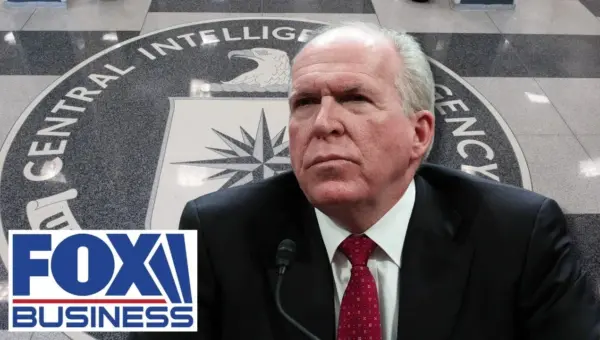
DOJ Probe into Brennan Intensifies Amidst ‘Conspiracy’ Claims
The DOJ's investigation into former CIA Director John Brennan is intensifying, focusing on allegations of lying during congressional testimony. House Judiciary Chair Jim Jordan highlighted concerns about potential censorship of political speech amidst these probes.


Pentagon Ignores Judge, Barring Press in Contempt Claim
The Pentagon has issued new rules restricting press access, potentially defying a federal judge's order and facing contempt charges. These rules redefine press freedom as a privilege, not a right, and limit journalists' ability to gather information. The situation is a critical test for First Amendment protections.