White House Insider Trading: Who Holds Power Accountable?
When insider trading seems to involve the President, the usual watchdogs like the SEC appear hesitant to investigate. This raises concerns about accountability and public trust. New laws may target legislators, but the President remains in a unique, potentially unchecked position.

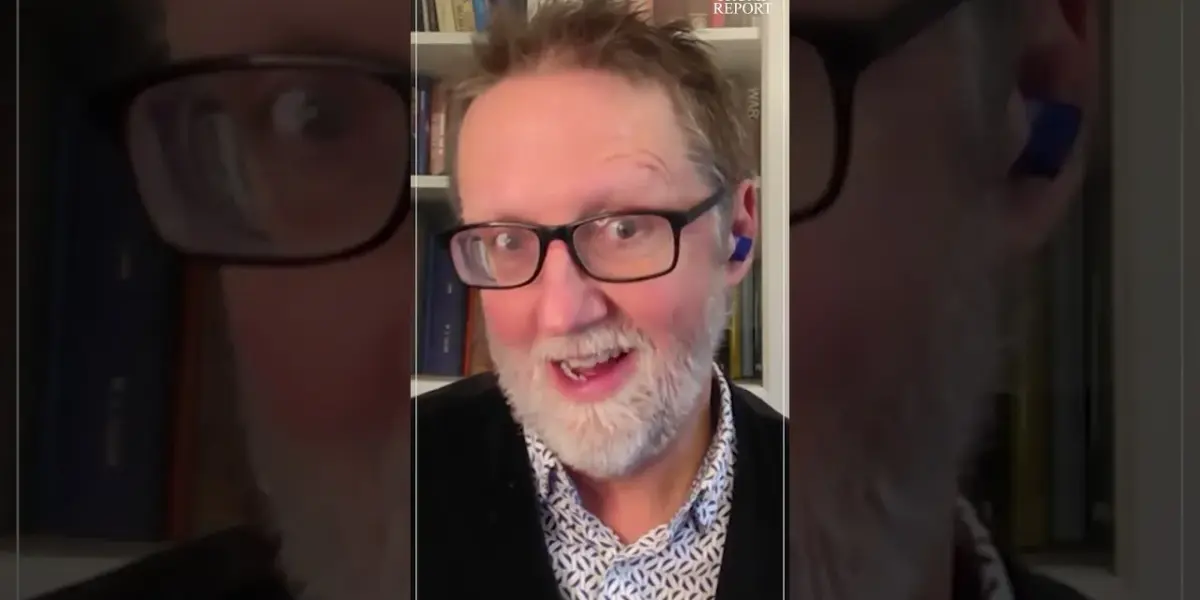
White House Insider Trading: Who Holds Power Accountable?
When insider trading happens, we usually think of Wall Street traders making secret deals. But what if the source of the tip isn’t a stockbroker, but the President of the United States? This raises a serious question: who investigates when insider trading seems to lead back to the White House?
The SEC’s Blind Spot?
The Securities and Exchange Commission (SEC) is the main agency that watches over the stock market and stops illegal trading. However, the idea of the SEC investigating the President or those close to them for insider trading seems unlikely. One expert points out that the SEC didn’t even investigate a clear case in April 2025. This suggests a reluctance, or perhaps an inability, to look into such high-level situations.
Legislators Under Scrutiny
There’s growing talk about new laws to stop members of Congress from trading stocks while they are in office. This isn’t about the President, but about the legislators themselves. The idea is to prevent them from using inside information they gain from their jobs to make money on the stock market. While this might address some issues, it doesn’t directly answer who would investigate the President.
A Look Back at Past Crackdowns
Looking back to the 1980s and 1990s, there were many serious insider trading cases that were brought to justice. These investigations were tough, and the information involved was significant. However, the potential for insider trading connected to the President of the United States presents a different level of challenge. The tips wouldn’t be coming from typical business sources, but from the very top of the government.
The President’s Unique Position
The President has access to information that no one else does. This could include details about upcoming economic policies, national security matters, or even international trade deals. If this kind of information were used for personal financial gain through stock trading, it would be a major abuse of power. The problem is that the usual watchdogs seem unwilling or unable to tackle such a sensitive investigation.
Why This Matters
This situation matters because it strikes at the heart of public trust and the rule of law. If the highest office in the land is seen as being above investigation, it erodes confidence in our institutions. The public needs to believe that everyone, including the President, is held accountable for their actions. Without a clear path for investigation, the door is open for potential corruption and unfair advantages.
Implications and Future Outlook
The current situation highlights a gap in our system for overseeing those in power. If the SEC won’t investigate, and new laws only target legislators, the President remains largely unchecked in this specific area. This could lead to a perception that the President is immune to certain financial regulations. Moving forward, there will likely be increasing pressure to find a mechanism that can address potential insider trading at the presidential level. This might involve special prosecutors or new oversight bodies, but the path is unclear.
Historical Context
Historically, the idea of investigating top government officials has always been complex. While there have been investigations into various forms of misconduct, the specific scenario of presidential insider trading is less common and presents unique legal and political hurdles. The crackdowns in the 80s and 90s showed that insider trading could be tackled, but those cases didn’t involve the President directly as the source of the tip.
A Call for Clarity
Ultimately, the question of who investigates insider trading when it leads back to the White House remains unanswered. The current system appears to have blind spots when it comes to the President. As discussions around ethics in government continue, finding a clear and effective way to investigate such serious allegations will be crucial for maintaining a fair and trustworthy system.
Source: Who investigates insider trading if it leads back to the White House? (YouTube)

Related Articles


White House Launches “OnlyFarms” Website for Farmer Support
The White House has launched "OnlyFarms," a new website at onlyfarmms.gov, to highlight benefits and support for American farmers facing rising costs. The initiative aims to showcase how administration policies are intended to ease financial burdens and lower prices for both producers and consumers.
Trump Ignored Iran War Warnings, Aides Feared Retaliation
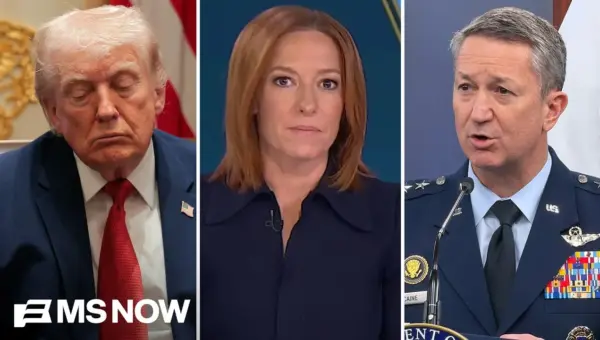
President Trump allegedly ignored repeated warnings from his own intelligence agencies regarding the dangers of escalating conflict with Iran. Reports suggest his administration was unprepared for predictable responses like the closure of the Strait of Hormuz and significant depletion of munitions. Many within the White House reportedly suppressed their concerns for fear of repercussions.

Workers Unite: Millions Demand Government Accountability
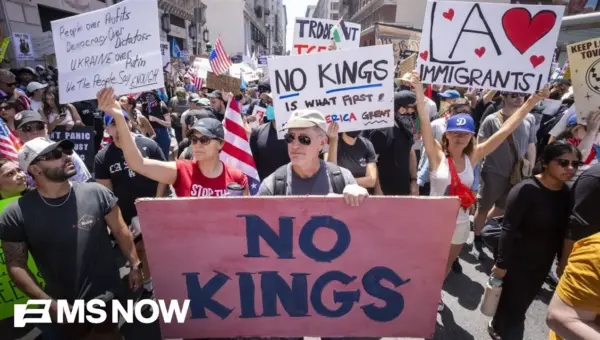
Millions of Americans are protesting, driven by anger and fear over the country's direction, healthcare access, and economic security. A diverse coalition, including union members and conservatives, is demanding government accountability and truthfulness. Organizers see a significant shift in momentum as citizens feel empowered to fight for change.