Iran Denies US Talks, Trump Claims Deal Near
Former President Donald Trump claims the U.S. is nearing a deal with Iran, asserting that Tehran has agreed to a 15-point plan and will not pursue nuclear weapons. However, Iran has denied these claims, stating they are receiving proposals but not actively negotiating. The situation remains tense with ongoing regional strikes.

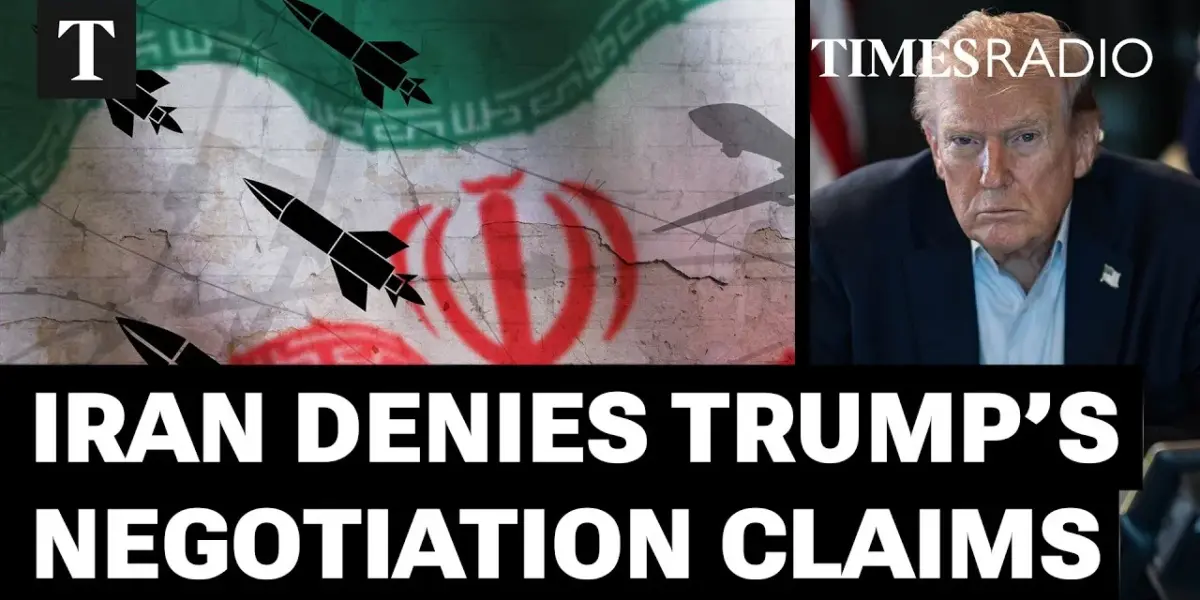
US Claims Iran Peace Talks Underway Amidst Denials
In a dramatic turn of events, former President Donald Trump has asserted that the United States is currently engaged in negotiations with Iran, aiming to end the ongoing conflict. Trump claims Iran has agreed to a significant portion of a 15-point plan put forth by the U.S. However, Iranian officials have strongly denied these claims, stating that they have received proposals but are not actively engaged in negotiations.
Trump’s Assertions on Nuclear Weapons and Deal Making
Speaking from the White House, Donald Trump stated that Iran has agreed to never possess nuclear weapons. He also suggested that Senators Marco Rubio and JD Vance were involved in these discussions. Trump emphasized Iran’s strong desire for a deal, stating, “They want to make a deal so badly. You have no idea how badly they want to make a deal.” He further claimed that Iran’s military capabilities, including its navy and air force, have been significantly degraded, implying a weakened position for the nation.
“In Iran, they have no navy left. They have no air force left. They have no anti-aircraft equipment left, no radar left, no leaders left. The leaders are all gone. Nobody knows who to talk to. But we’re actually talking to the right people and they want to make a deal so badly. You have no idea how badly they want to make a deal.”
Donald Trump
Iranian Rejection of Negotiation Claims
Iran has consistently refuted the notion that formal negotiations are taking place. Iranian officials have clarified that while they have received ideas and proposals from the United States, these do not constitute active diplomatic talks. This discrepancy highlights a significant gap between the public statements made by the former U.S. president and the official stance of the Iranian government.
U.S. Diplomatic Efforts and Intermediaries
Reports indicate that the U.S. has presented a 15-point plan to Iran, outlining demands for ending the war. This plan has also been shared with Israel. The United States has reportedly sought an in-person meeting with Iranian representatives as early as Thursday in Pakistan. However, Iran has yet to respond positively or negatively to this proposal for a direct meeting. Communication has largely been conducted through intermediaries from countries such as Egypt, Pakistan, and Turkey. The U.S. has been exploring channels with figures like the speaker of the Iranian parliament, who is considered close to the Supreme Leader and has links to the Islamic Revolutionary Guard Corps, believing he might be empowered to broker a deal.
Complexities of Iranian Leadership and Decision-Making
Making sense of who speaks for Iran in such high-stakes negotiations remains a challenge. The political landscape in Tehran is complex, with differing views on the extent to which certain officials are empowered to make binding decisions. While the U.S. has previously dealt with the Iranian foreign minister, some U.S. officials have expressed doubts about his authority to finalize an agreement. The focus has shifted to potentially engaging with the speaker of the parliament or other senior figures who might have more direct influence.
Nuclear Program Assurances and Trust Deficit
Regarding the claim that Iran has agreed to forgo nuclear weapons, it is important to note that Iran has historically maintained it is not pursuing such capabilities. However, this assurance has been met with skepticism from the U.S. and Israel, who seek verifiable mechanisms to ensure compliance. The effectiveness of any such agreement hinges on mutual trust and robust verification processes.
Economic Factors and the “Gift” to Iran
The nature of a significant “gift” from Iran to the U.S., as mentioned by Trump, remains unclear. Some analysis suggests that Iran’s increased oil exports, even at higher prices, have led to a de facto loosening of sanctions, providing Iran with more revenue. Trump has previously expressed a desire for Iran to export more oil to help stabilize global markets, given current supply constraints. The potential for a U.S. partnership in managing oil exports or the Strait of Hormuz has also been floated, though the practicality of such proposals in the current geopolitical climate is uncertain.
Regional Instability and Troop Deployment
Amidst these diplomatic discussions, the situation in the Middle East remains volatile. Israel and Iran continue to conduct strikes, and Bahrain has experienced one of its most severe attacks of the war. Israel has also issued evacuation warnings and plans to control a significant area in southern Lebanon. Concurrently, over 3,000 U.S. troops are en route to the Gulf region, indicating ongoing military preparations.
Looking Ahead: The Path to a Deal
The coming days will be crucial in determining the actual state of U.S.-Iran relations. While Donald Trump projects an image of imminent agreement, the denials from Iran and the complexities of its political system suggest a long road ahead. Key developments to watch will include any official response from Iran regarding the proposed meeting, further clarification on who is authorized to negotiate on behalf of Tehran, and the impact of ongoing regional hostilities on diplomatic efforts.
Source: Iranians Deny That Negotiations Are Taking Place (YouTube)

Related Articles


Trump’s Iran Claims: Shocked or Deluded by War Games?
Donald Trump claimed surprise over Iran's actions in the Strait of Hormuz, but experts suggest retaliation was inevitable. Military war games likely predicted such a scenario, raising questions about the advice given to the President.
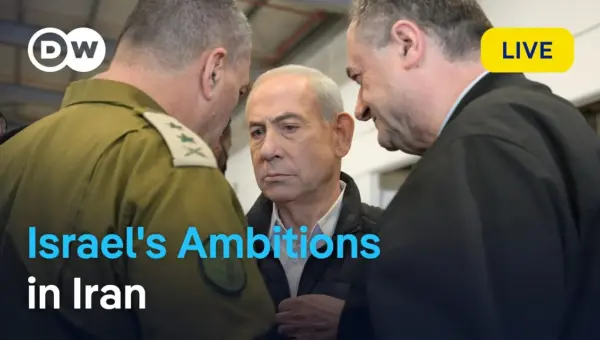
Israel’s Strategy Against Iran Revealed
Israel's strategy to counter Iran's nuclear ambitions and regional influence centers on containment, utilizing a mix of covert military actions, intelligence operations, and diplomatic pressure. Analysts highlight the growing urgency due to Iran's nuclear advancements, while also noting the persistent risk of escalation in the volatile Middle East.
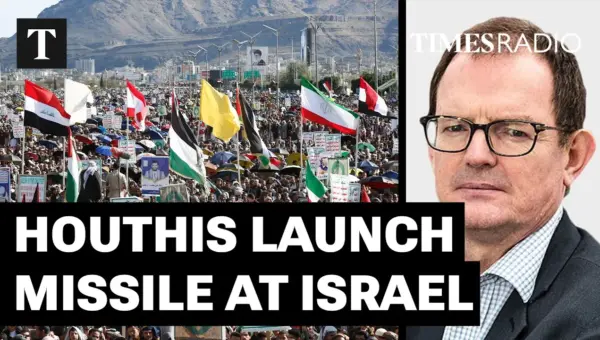
Houthis Fire Missile at Israel, Iran’s Guard Takes Center Stage
Yemen's Houthi group has fired a missile at Israel, signaling a potential escalation of the regional conflict. Meanwhile, Iran's powerful Islamic Revolutionary Guard Corps (IRGC) appears to be consolidating its control over the country's leadership following reported strikes. This shift places hardline figures at the forefront of decision-making.