NTSB: Runway Safety System Failed in Deadly LaGuardia Crash
The NTSB revealed a critical runway safety system failed to alert air traffic controllers during a deadly crash at LaGuardia Airport. The system, which relies on transponders, did not detect the firetruck involved, raising questions about vehicle equipment requirements. The investigation is examining the timeline of events and air traffic control communication.

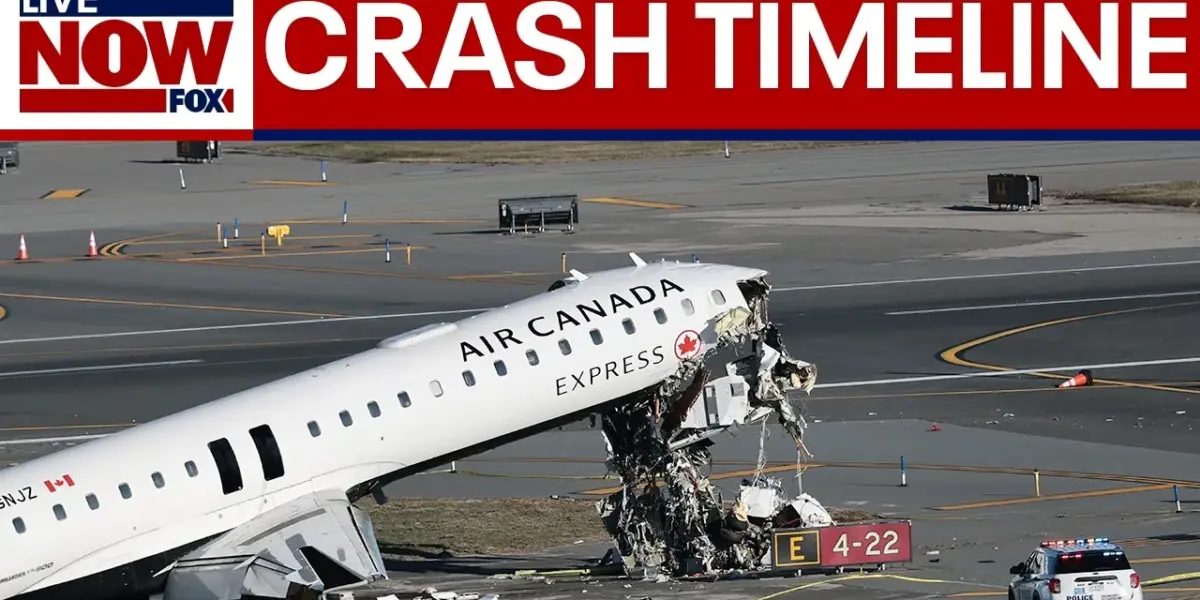
NTSB Details Runway Safety System Failure in LaGuardia Crash
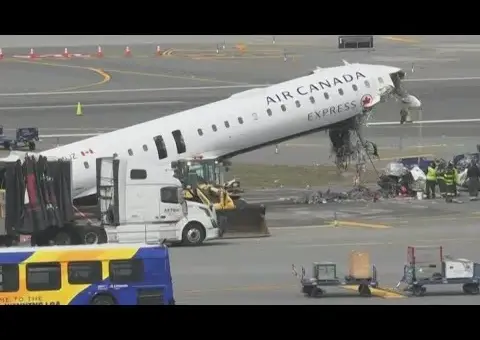
The National Transportation Safety Board (NTSB) revealed new details today about the deadly plane crash at New York’s LaGuardia Airport on Sunday night. The crash, involving an Air Canada flight from Montreal, killed both pilots and injured dozens. LaGuardia Airport was shut down for over 12 hours following the incident.
Runway Safety System Did Not Alert Controllers
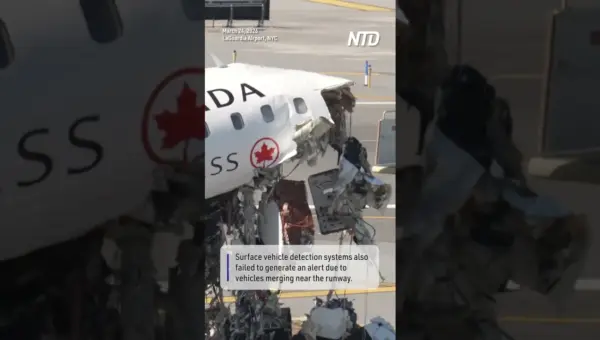
A key piece of information from the NTSB’s update concerns a runway safety system designed to help air traffic controllers track activity on the runway. This system, known as ASDX, did not alert controllers when the Air Canada flight and a firetruck came dangerously close to one another. The ASDX system uses transponders on vehicles, similar to those on aircraft, to provide location data. However, the NTSB stated that the firetruck involved in the crash, and other rescue vehicles, did not have these transponders. This raises questions about whether LaGuardia Airport required these transponders on emergency vehicles at the time of the crash.
Critical Role of Vehicle Transponders
Aviation expert and former United Airlines pilot Steve Royo emphasized the critical importance of this system. “If that vehicle had a transponder on it, they would have been able to see the vehicle and take necessary action,” Royo explained. He noted that radar indicated only one mass holding short of the runway. Without the transponder, controllers may not have had a clear picture of the firetruck’s exact location relative to the approaching aircraft.
Pilot’s Perspective and Go-Around Procedures
When asked about the pilots’ perspective, Royo, with four decades of experience flying commercial airliners, shared his insights. While he stressed he would not speculate on the specific circumstances, he explained the go-around procedure. Pilots are trained to abort landings if necessary. Royo recounted an experience from two decades ago where he executed a go-around at 200 feet. However, once an aircraft touches down and deploys reverse thrust, the pilots are committed to stopping. In this LaGuardia crash, the aircraft touched down just 10 seconds before impact, leaving a very small window for decision-making.
Timeline of Events Leading to the Crash
The NTSB provided a detailed timeline of the final minutes before the crash:
- 3 minutes before crash: Controller instructed the plane to contact LaGuardia Tower.
- 2 minutes, 45 seconds before crash: Pilots began extending the plane’s landing gear.
- 2 minutes, 22 seconds before crash: Flight crew checked in with the tower.
- 2 minutes, 17 seconds before crash: Tower cleared the plane to land on runway 4.
- 28 seconds before crash: The firetruck made a transmission to the tower.
- 26 seconds before crash: The tower acknowledged the firetruck’s transmission.
- 25 seconds before crash: The firetruck requested to cross the runway.
- 20 seconds before crash: The tower cleared the firetruck to cross.
- 9 seconds before crash: The tower instructed the firetruck to stop.
This timeline highlights the rapid sequence of events in the final seconds, leading to the tragic collision.
Investigation into Air Traffic Control
NTSB Chair Jennifer Hamundy confirmed that two air traffic controllers were in the cab at the time of the crash. The investigation is looking into various factors, including whether the tower was understaffed or if a shift change was occurring. “We have to get those questions answered first to see what were the contributing factors,” Royo stated. The exact number of controllers in the entire facility during the incident is still part of the ongoing investigation.
Recovered Flight Data Recorder
The flight data recorder from the plane has been recovered. This device will provide crucial audio information that investigators will analyze. As a former pilot, Royo would be looking for details on whether procedural protocols were followed and if any other factors were at play on the flight deck. “From what they revealed today, it appears from my experience that it was normal operations,” Royo commented, referring to the pilots’ actions. He reiterated that with low visibility and only seconds to react, the situation quickly became unavoidable.
Ongoing Impact and Future Investigations
The crash has had significant impacts, including major delays at LaGuardia Airport. The NTSB’s full investigation is expected to provide a comprehensive understanding of the contributing factors. The findings will likely lead to recommendations to prevent similar tragedies in the future, focusing on the critical communication and technology systems governing runway safety.
Source: New details in deadly LaGuardia plane crash investigation (YouTube)

Related Articles
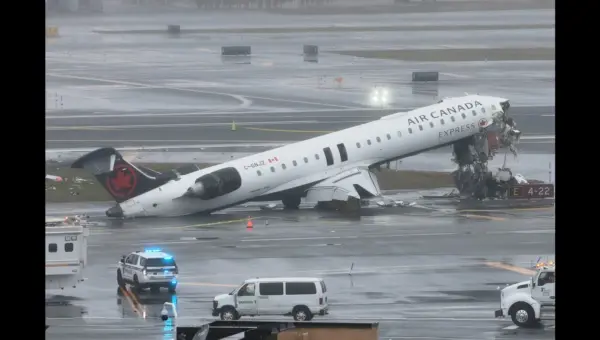
LaGuardia Runway Reopens After Deadly Crash, Safety Lapses Exposed
LaGuardia Airport's main runway has reopened after a fatal crash involving an Air Canada Express jet and a fire truck. The incident, which killed two pilots, exposed critical failures in airport safety systems, including ground surveillance and transponder use.
Air Safety Fears Soar After Deadly Crash
A fatal crash at LaGuardia Airport has triggered a national review of air safety, revealing a pattern of close calls and communication issues at U.S. airports. Investigators are examining technology and staffing, as calls grow for urgent safety upgrades.
Missing Transponder Fueled LaGuardia Near-Disaster
A fire truck lacking a crucial transponder was involved in a near-collision at LaGuardia Airport. The NTSB is investigating this and other issues, highlighting potential gaps in ground vehicle safety protocols. This incident serves as a stark reminder of the importance of technology in preventing airport accidents.