20% Oil Supply Cutoff: US Strikes Iran’s Coast
Iran's strategy of disrupting oil shipments through the Strait of Hormuz has cut off 20% of global supply. The U.S. is responding with targeted strikes and preparing for potential ground operations. The economic stakes are immense, with nations facing potential collapse.

Strait of Hormuz Blockade Threatens Global Economy
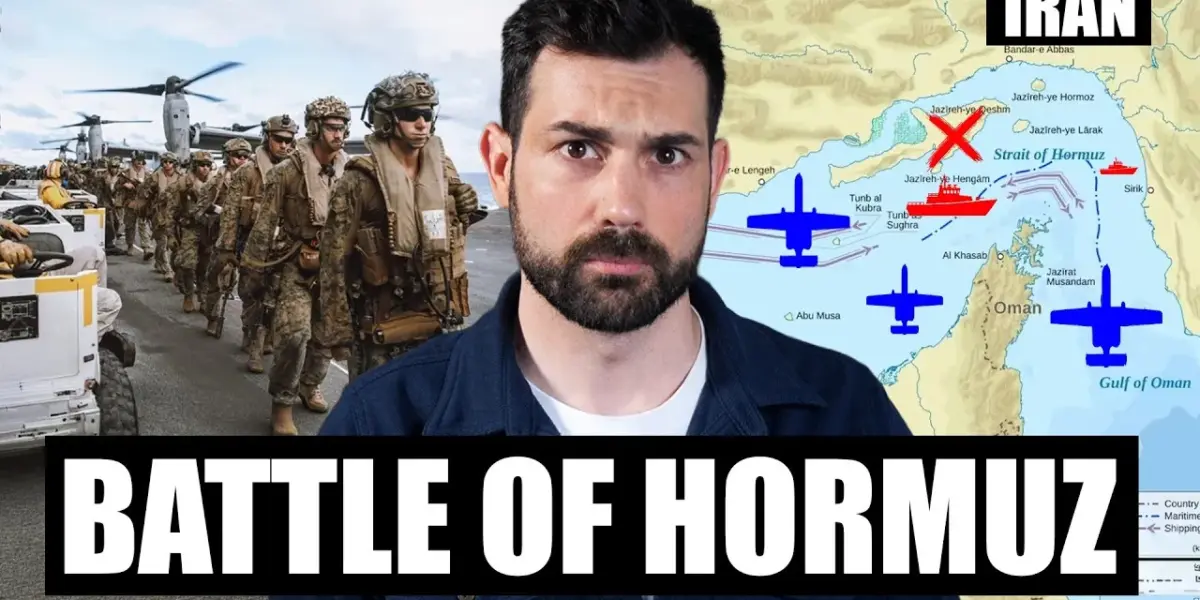
The vital Strait of Hormuz, a critical chokepoint for global oil transport, faces a severe threat as Iran employs new tactics to disrupt shipping. This situation has led to a staggering 20% of the world’s oil supply being cut off, a scenario with potentially devastating economic consequences for nations worldwide. The United States military has responded with new strategies, including the use of powerful bunker-buster bombs, in an effort to reopen the strait and restore the flow of oil.
Iran’s Layered Defense Strategy
Iran’s Revolutionary Guard Corps (IRGC) is not using traditional naval blockades. Instead, they are employing a sophisticated ‘area denial’ strategy. This involves a widespread network of drones and sea mines deployed along the coast. These tactics have already resulted in over 20 commercial vessels being struck, effectively halting traffic through the strait. Only ships pre-authorized by the IRGC are currently permitted to pass.
Iran’s goal appears to be inflicting significant economic damage on American allies. The hope is that this pressure will force the U.S. and Israel to accept Iran’s terms for a negotiated peace. These terms could include the lifting of sanctions or other concessions.
US Strikes Target Coastal Launch Sites
In mid-March, the U.S. military began a new offensive, deploying GBU-72 advanced penetrator bombs for the first time. These 5,000-pound bombs are designed to penetrate hardened targets. The strikes are aimed at coastal locations from which Iran has launched attacks.
The U.S. is targeting three key strategic areas along Iran’s coast. The primary threat comes from short-range unmanned surface vessels (USVs), or sea drones. These drones are effective against slow-moving oil tankers but must be launched from close proximity to the shore.
Naval expert H.I. Sutton notes that these sea drones are responsible for most of the damage to tankers. However, their effectiveness is limited by the need for close-range launches. This is because Iranian drones lack advanced guidance systems to accurately hit fast-moving targets from a distance. The tankers move at about 18 miles per hour, which is fast enough to make long-range targeting difficult.
Geography and Iranian Limitations
The geography of the Strait of Hormuz plays a crucial role. Islands like Hormos, Lark, and Qeshm are home to IRGC underground bases from which these attacks are launched. The U.S. military’s objective is not to conquer all of Iran, but rather to secure a relatively narrow stretch of coastline and a limited distance inland.
Iran’s longer-range drones, such as the Shahed, have a range of over 1,000 kilometers. However, they are primarily designed for hitting static targets, like buildings, not moving ships. This limitation forces the IRGC to operate within a specific ‘kill box’ near the coast, making their operations more predictable.
Anti-Ship Ballistic Missiles and US Naval Strategy
A more significant threat comes from Iran’s anti-ship ballistic missiles. These weapons have longer ranges and can target moving vessels. However, they are stored in underground facilities along the coast and on nearby islands. These locations are being targeted by U.S. strikes.
Iran possesses an estimated 100 anti-ship ballistic missiles. These are reserved for attacking U.S. naval vessels that might attempt to escort oil tankers. The U.S. Navy has maintained a standoff distance from the coast to avoid these weapons.
The Role of the A-10 Warthog
To counter Iran’s fast attack boats, which are used to launch drones, the U.S. is deploying the A-10 Warthog aircraft. While slower and potentially vulnerable, the A-10 is cost-effective and can provide close air support for potential ground operations. Its deployment suggests a possible shift towards amphibious assaults on Iran’s coastline.
Despite significant U.S. military efforts, including strikes on thousands of targets and over 140 Iranian naval vessels, reopening the Strait of Hormuz remains a challenge. Iran’s initial strategy of using ballistic missiles proved largely ineffective against U.S. air power, with most launchers destroyed.
Economic Pressure and Ground Troop Deployment
Iran’s current strategy focuses on inflicting economic pain. Shipping insurance rates for the strait have increased significantly, making passage too risky for many companies. The threat of oil spills further deters shipping traffic.
The U.S. has responded by moving two Marine Expeditionary Units (MEUs) to the Middle East. These units bring approximately 5,000 Marines with amphibious assault capabilities. Their mission could involve capturing and holding key coastal areas, such as Qeshm Island.
Reports also suggest that elements of the 82nd Airborne Division are deployed, indicating planning for larger operations. The U.S. Air Force is now targeting IRGC ground troops and units in southern Iran, potentially to weaken their response to an amphibious landing.
Supply Lines and Electronic Warfare
Adding complexity to the situation, Iran is obtaining weapons from outside its borders, similar to historical ‘safe havens.’ Facilities in Tajikistan and transit routes through Uzbekistan and Turkmenistan are being used to import weapons. This highlights the importance of the ‘middle corridor’ supply route, which Iran has been developing as an alternative oil shipping route to China.
In response to an Israeli strike on Iran’s Caspian Sea port, which disrupted weapon shipments, Iran has also turned to electronic warfare. They are jamming GPS systems on commercial vessels, causing navigation issues and increasing the risk of accidents. The UK Military Sea Transport Operations (MTO) is monitoring these threats in real-time.
Mines and Escalating Costs
Iran also possesses thousands of sea mines, making the strait even more dangerous. While the U.S. Navy has targeted mine-laying vessels, Iran also deploys mines via truck-mounted rockets, making detection difficult. These mines are designed to target specific ship types, avoiding warships while posing a threat to commercial traffic.
The Pentagon is seeking an additional $200 billion from Congress and is deploying a third aircraft carrier. The U.S. military’s preparedness for the scale of Iranian counterattacks is being questioned, especially after an incident involving the USS Gerald R. Ford aircraft carrier, which experienced a fire unrelated to enemy action.
Coalition Efforts and Diplomatic Maneuvers
While seven allies have signaled potential support for a coalition to reopen the strait, none have committed naval vessels. Deploying warships remains a risky proposition.
An incident involving a U.S. F-35 fighter jet that made an emergency landing after returning from missions over Iran highlights the ongoing risks. The IRGC claimed responsibility, releasing a video that may show one of their missiles hitting the stealth fighter. The authenticity and impact of the alleged strike are still under investigation.
Diplomatic efforts are ongoing, with mixed signals from both sides. Threats of targeting civilian infrastructure, such as power plants, have been made, but tempered by claims of ongoing negotiations. These diplomatic moves may be stalling tactics to allow U.S. ground forces to deploy.
Long-Term Implications and Uncertain Future
The ultimate resolution may require U.S. ground troops to secure the coast. However, the long-term implications of occupying Iranian territory indefinitely are unclear. Without regime change, the Strait of Hormuz could remain under threat even after U.S. forces withdraw.
Cutting off funding to Iran’s conventional army may not be enough to disarm the IRGC, who are deeply entrenched in the regime. Therefore, a lasting solution may hinge on a comprehensive peace agreement or a significant shift in Iran’s political landscape.
Source: How US Forces are Trying to Open the Strait of Hormuz (YouTube)

Related Articles


G7 Allies Clash Over Iran War Strategy, Urge Focus on Russia
G7 foreign ministers met in Paris, revealing deep divisions over the U.S. war with Iran. European allies urged the U.S. to pressure Russia, linking its actions to the conflict and fearing support for Ukraine will wane.

Iran Blocks China Ships, Exposing Beijing’s Weak Grip
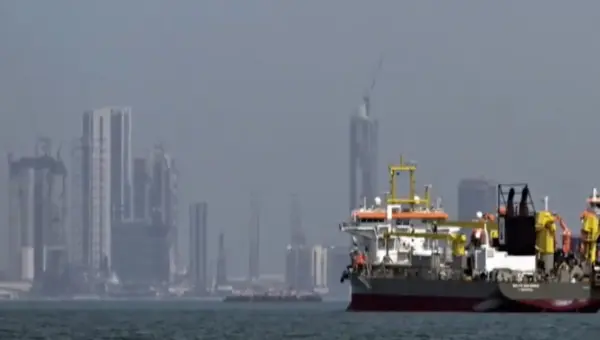
Iran's recent decision to block Chinese ships at the Strait of Hormuz is exposing the limits of Beijing's influence in the Middle East. This action is causing delays and cancellations for Chinese manufacturers, turning a perceived geopolitical win into an economic strain.
Rubio: US Can Achieve Iran War Goals Without Troops
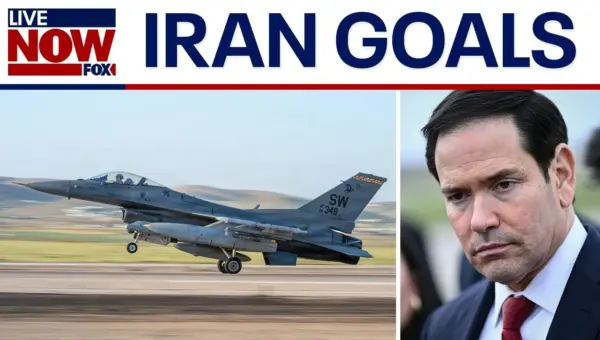
Senator Marco Rubio outlined a strategy to counter Iran without deploying U.S. ground troops, focusing on weakening the regime and enhancing maritime security. He also criticized Cuba's economic system and expressed concerns about West Bank violence.