DOJ Admits No Evidence in Probe of Fed Chair Jerome Powell
Federal prosecutors admitted to a judge they lack evidence of misconduct in their criminal investigation of Federal Reserve Chair Jerome Powell. The probe, focused on building renovation costs, led a judge to quash subpoenas, calling the case "pretextual." Separately, judges are stepping in to appoint U.S. attorneys in districts where leadership is in limbo.

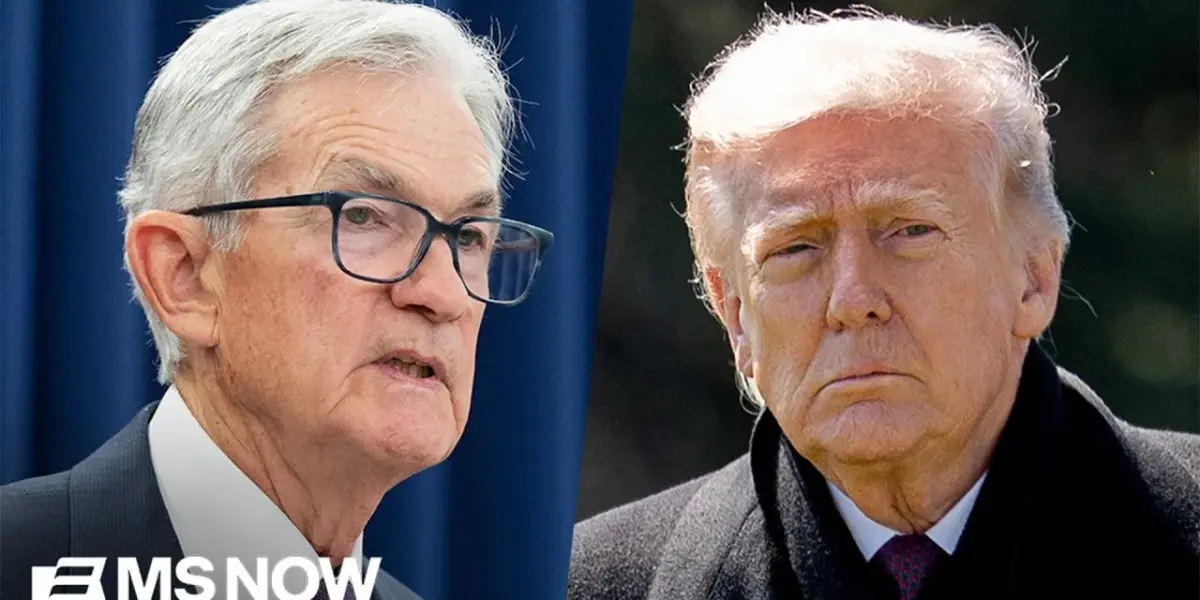
Justice Department Lacks Evidence in Powell Investigation
A Justice Department prosecutor has admitted that the department lacks evidence of wrongdoing in its criminal investigation into Federal Reserve Chair Jerome Powell. This admission comes as part of an investigation into the cost of building renovations at the Federal Reserve’s headquarters. The case was opened after Powell testified about the renovation costs, and prosecutors considered bringing fraud or misconduct charges.
According to reporting from The Washington Post, a top deputy to U.S. Attorney Janine Pirro stated in a closed-door hearing on March 3rd that Justice Department lawyers did not know what evidence of fraud or criminal misconduct currently exists. The prosecutor argued that the project was $1.2 billion over budget, suggesting that “it doesn’t seem right.” This statement highlights the weak foundation of the investigation.
Judge Throws Out DOJ Subpoenas
Just days after the admission of insufficient evidence, federal judge James Boesberg quashed the Justice Department’s subpoenas targeting Powell. He found the case to be “so thin and unsubstantiated that the court can only conclude that they are pretextual.” This ruling suggests the judge believed the investigation was not based on genuine suspicion of a crime but rather on other motives.
Carol Letting, a senior investigative reporter, discussed the implications of the judge’s decision. She noted that the lead prosecutor’s admission of having no evidence at this time “screams out that you don’t have an articulable basis to conclude a crime has been committed.” Letting emphasized that this lack of evidence made the judge uncomfortable, especially given concerns about former President Donald Trump’s past patterns of influencing the Justice Department to prosecute individuals he disliked.
“The Justice Manual explicitly states you do not try and bring charges to a grand jury unless you think you can actually obtain an indictment. To do so otherwise is to ignore your ethical duties as an officer of the United States government.”
Trust and Ethical Concerns at DOJ
The admission by the Justice Department has raised serious questions about trust between prosecutors and judges. Michael Feinberg explained that by making such an admission, the DOJ has essentially acknowledged violating its own regulations and policies. The Justice Manual, a key guide for prosecutorial conduct, requires prosecutors to believe they can obtain an indictment before bringing charges to a grand jury.
Feinberg suggested that the prosecutors knew they had no chance of securing an indictment but proceeded anyway, possibly to satisfy political interests. This action, he argued, goes against ethical duties and undermines the integrity of the justice system. The situation points to a broader erosion of trust within the legal community.
Judicial Appointments in New Jersey
The article also touches on a separate issue regarding the appointment of U.S. attorneys. In New Jersey, federal judges have appointed a career prosecutor to serve as the U.S. attorney. This move comes after an “impasse” where the Justice Department and the Trump administration were perceived as being more concerned with who led the office than with its proper functioning.
Robert Frazier is now the fourth U.S. attorney to hold this position since January 2025. The federal court intervened to find a temporary choice that both the court and senior Justice Department officials could agree upon. This was crucial for moving forward with pending legal cases.
Consequences of Unfilled Leadership Roles
The lack of legally appointed leaders in U.S. attorney offices has significant consequences. Judges have reportedly removed prosecutors from courtrooms for sentencing and other critical decisions because they questioned the legitimacy of actions taken by offices without officially sanctioned leadership. This situation has created delays and uncertainties in the legal process.
Most notably, Alina Habba, a known ally of former President Trump and one of his former attorneys, had been serving in the New Jersey office. She was eventually removed by the federal court. The federal court has the authority to appoint U.S. attorneys in specific circumstances, such as when a nominee has served past the 120-day limit without Senate confirmation. This has occurred in several districts, including New Jersey, the Eastern District of Virginia, and upstate New York, leading judges to directly involve themselves in ensuring these offices can operate legally and effectively.
Looking Ahead
The admission of no evidence in the Jerome Powell investigation and the judicial intervention in appointing U.S. attorneys highlight significant challenges within the Justice Department. Future developments will likely focus on accountability for investigations initiated without sufficient evidence and the ongoing efforts to ensure stable, legally sound leadership in critical U.S. attorney offices nationwide. The integrity of these processes remains a key concern for the public and the legal community.
Source: Justice Department admits to having no evidence of misconduct by Fed Chair Jerome Powell (YouTube)

Related Articles


Iran Conflict Sparks Market Volatility, Experts Weigh In
Geopolitical tensions in the Middle East have rattled global markets, with stocks falling and safe-haven assets like the U.S. dollar strengthening. Experts suggest the market may have overreacted, creating potential buying opportunities, but warn of a "bumpy journey" ahead due to infrastructure damage and potential oil shortages. Concerns also linger about the Federal Reserve's independence amidst political commentary.
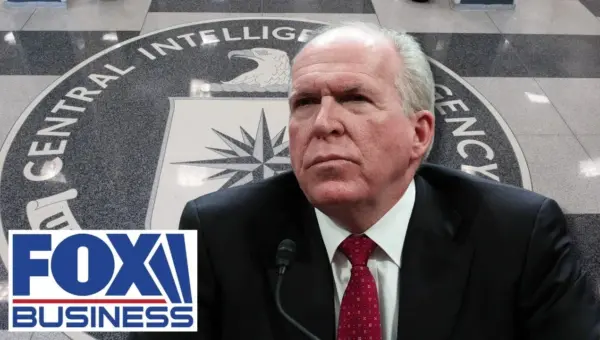
DOJ Probe into Brennan Intensifies Amidst ‘Conspiracy’ Claims
The DOJ's investigation into former CIA Director John Brennan is intensifying, focusing on allegations of lying during congressional testimony. House Judiciary Chair Jim Jordan highlighted concerns about potential censorship of political speech amidst these probes.

Rate Hike Fears Spark Market Sell-Off, Geopolitics Add Fuel
Markets are reeling as a surprising shift in Federal Reserve expectations, with rate hikes now being priced in, combines with escalating Middle East tensions. This has triggered a liquidity crunch across assets, impacting everything from stocks to bonds and gold.