Israel Strikes Lebanon as Iran Tensions Flare
Israel has expanded ground operations into southern Lebanon to combat Hezbollah, while also engaging in direct exchanges with Iran following missile attacks. Lebanon's expulsion of Iran's ambassador adds a complex diplomatic layer to the escalating regional tensions.

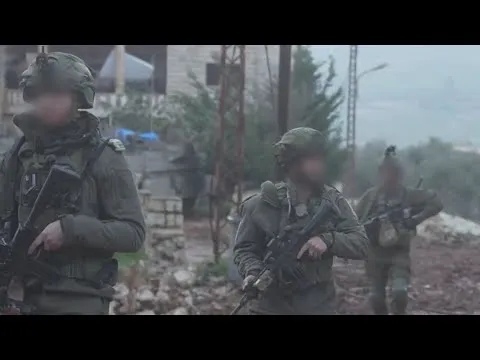
Israel Expands Ground Operations in Lebanon Amidst Escalating Regional Tensions
Israel has intensified its military actions by deploying ground troops into southern Lebanon. This move comes as part of Israel’s ongoing efforts to counter the threat posed by Hezbollah. The Israeli Defense Minister stated that these troops will remain in southern Lebanon, securing strategic positions and security zones until Hezbollah’s threat is neutralized. This expansion of ground operations marks a significant development in the escalating conflict, which is increasingly drawing in regional actors.
Iran’s Renewed Attacks and Israel’s Response
The situation escalated sharply as Iran launched multiple missile salvos towards Israel. One of these missiles managed to bypass Israel’s Iron Dome defense system, striking central Israel. Reports from the ground showed significant damage to residential areas, with condo buildings bearing visible scars from the missile’s impact. In response, the Israeli Air Force conducted strikes targeting Iran’s aerial capabilities, specifically focusing on ballistic missile launchers that were preparing to fire. This exchange highlights the direct confrontation between Israel and Iran, further complicating the regional security landscape.
Lebanon’s Diplomatic Maneuver: Expelling Iran’s Ambassador
In a surprising diplomatic development, the Lebanese government has declared Iran’s ambassador to Lebanon persona non grata, ordering him to leave the country within five days. This action by Beirut signals a complex balancing act by the Lebanese government. Israel has been critical of Lebanon for failing to control Hezbollah and prevent Iranian influence within its borders. While the Lebanese government’s move might appear to appease Israel, it also reflects internal Lebanese dynamics and a potential attempt to assert sovereignty amidst intense regional pressure.
Motivations of Key Actors
- Israel: Israel’s primary motivation is to ensure its security by eliminating the threat from Hezbollah’s rockets and fighters operating from its northern border. They aim to create a security buffer zone and prevent Iran from using Lebanese territory as a base for attacks.
- Hezbollah: As an Iranian-backed militia, Hezbollah’s actions are largely aligned with Iran’s regional strategy. They seek to pressure Israel and support the Palestinian cause, while maintaining their influence and operational capacity within Lebanon.
- Iran: Iran views Israel as a primary adversary and seeks to project power across the region. Supporting groups like Hezbollah allows Iran to challenge Israel indirectly and expand its geopolitical influence, particularly in response to perceived threats or provocations.
- Lebanon: The Lebanese government faces a difficult challenge. It must navigate the complex relationship with Hezbollah, a powerful armed group operating within its borders, while also managing relations with Iran and responding to international pressure, especially from Israel and its allies. Expelling the Iranian ambassador could be an attempt to regain some control or signal a desire for de-escalation on its own terms.
Historical Context
The current conflict echoes past Israeli-Lebanese wars and the broader Arab-Israeli conflict. Israel’s concerns about hostile forces on its borders are long-standing, dating back to the establishment of the state. Hezbollah emerged in the early 1980s, supported by Iran, and has been a significant military and political force in Lebanon. Iran’s regional ambitions and its support for proxy groups have been a consistent feature of Middle Eastern geopolitics for decades, often leading to proxy confrontations with Israel and its allies.
Global Impact: Reshaping Regional Dynamics
The expansion of Israeli ground operations into Lebanon and the direct exchanges with Iran signal a dangerous escalation. This could lead to a wider regional conflict, drawing in other actors and further destabilizing an already volatile region. The actions also highlight the complex web of alliances and rivalries, with Iran and its proxies like Hezbollah on one side, and Israel and its international backers on the other. The expulsion of Iran’s ambassador by Lebanon, while seemingly a step towards de-escalation, underscores the immense pressure Lebanon is under. The involvement of ground troops in Lebanon, beyond airstrikes, suggests a more prolonged and potentially more intense phase of the conflict, with significant humanitarian and economic implications for both countries and the wider Middle East.
Future Scenarios
Several future scenarios are possible. One is a contained conflict, where Israel achieves limited objectives in Lebanon, and Iran continues its support for Hezbollah through indirect means, while diplomatic efforts aim to prevent further escalation. Another scenario involves a wider regional war, triggered by miscalculation or a deliberate decision by one of the major powers, potentially drawing in other countries. A third possibility is a prolonged period of low-intensity conflict, with ongoing skirmishes and diplomatic tensions, similar to previous cycles of violence but with increased risk due to current geopolitical alignments.
Source: Israeli troops on the ground in Lebanon to combat Hezbollah | NewsNation Live (YouTube)

Related Articles
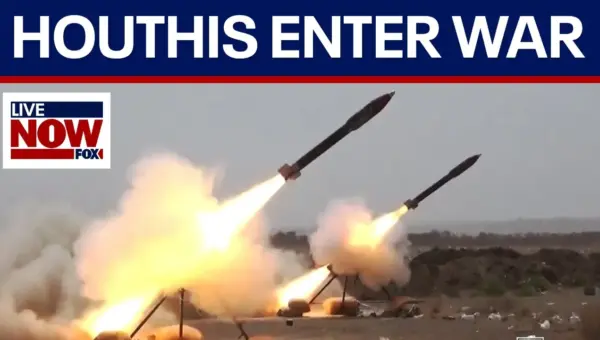
Iran-Backed Houthis Strike Israel, Escalating Regional Tensions
Iran-backed Houthi rebels have launched a missile attack targeting Israel, marking their first such strike since the current Middle East conflict began. The Israeli military confirmed the interception of the projectile. Analysts view this action as part of Iran's broader regional strategy, highlighting the regime's reliance on proxy forces amid internal weaknesses.

Trump’s War Talk Distracts as World Burns
As global conflicts escalate and economic pressures mount, Donald Trump's focus on past grievances and symbolic wins overshadows pressing issues. His rhetoric, including questionable claims about ending wars and strategic use of terminology to bypass Congress, raises concerns about leadership and national priorities.

Iran Extends Strait of Hormuz Deadline Amid Global Oil Tensions
The U.S. has granted Iran a 10-day extension to reopen the Strait of Hormuz, a critical global oil route. This move comes amid complex negotiations, military actions, and concerns over Iran's strategic leverage and resilience. Lawmakers express frustration over the lack of a clear strategy and potential escalation.