Pentagon Restricts Press Access, Sparks Outrage
The Pentagon has implemented new, more restrictive media policies after a judge ruled previous ones violated the First Amendment. Veteran correspondent Barbra Starr questions Pentagon Secretary Pete Hegseth's motives and calls for broader access for all journalists.

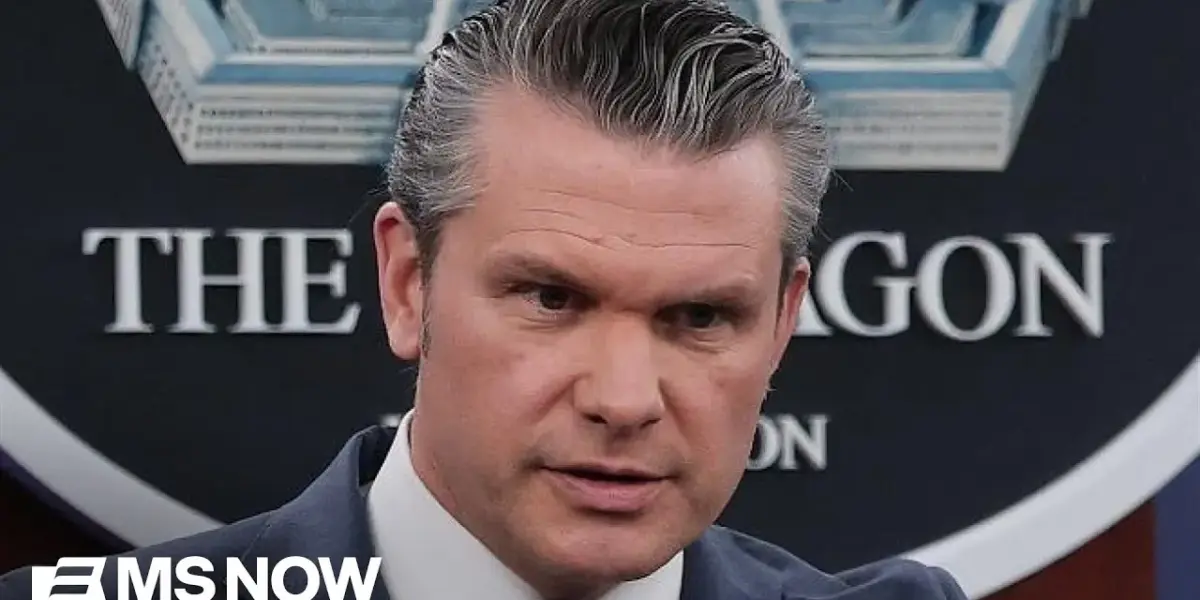
Pentagon Tightens Media Rules Amid Legal Challenge
The Pentagon has implemented new media policies that significantly restrict journalist access, just days after a federal judge ruled that previous restrictions violated the First Amendment. Press advocacy groups argue the new rules are even more restrictive than before, drawing criticism from veteran reporters.
Key Changes to Media Access
Under the new policy, the area known as the Correspondence Corridor within the Pentagon is now closed to the press. All press workspaces have been relocated to an annex facility located outside the main building. Furthermore, any journalist seeking to enter the Pentagon for reasons other than official briefings or pre-arranged interviews will require an escort from Department of Defense personnel.
Legal Battle and Judge’s Ruling
The situation began when a federal judge ruled that the Pentagon’s previous restrictions on news media access, challenged by The New York Times, violated the First Amendment and ordered that access be restored. However, The New York Times is reportedly back in court, seeking to reverse the latest decision. This suggests the new policy, implemented in the wake of the judge’s ruling, may not fully comply with the court’s intent.
“Essentially what Pete Hegseth has now done in the wake of the judge’s decision decided to put all of the press court, basically in a building outside the Pentagon, in the parking lot, and not what reasonable people might think the judge envisioned in his ruling,” said veteran Pentagon correspondent Barbra Starr.
Questions Over Pentagon Secretary’s Motives
The core question remains: what is Pentagon Secretary Pete Hegseth trying to achieve with these anti-media policies? Starr suggests that these measures have not stopped the Pentagon press corps from reporting the news and do not appear to be working for Hegseth. She questions why he seems fearful, angry, and what he might be trying to hide.
Some observers believe Hegseth’s actions stem from a disdain for the news media or a need to please superiors. Starr draws a parallel between Hegseth and a younger, angrier version of former President Trump, characterized by loud talk and a lack of consistent information. She notes that Hegseth continues to deliver the same talking points he has for the past year, suggesting a fear of crossing the president.
Contrast with Presidential Media Relations
Interestingly, the approach contrasts sharply with how former President Trump interacted with the press. Trump reportedly liked having the media close by, often speaking to journalists multiple times a day. Hegseth, however, appears nervous about such proximity.
“He’s the first Secretary of Defense that I can recall in decades, who is so nervous about all this all the time,” Starr observed. “This press corridor, press access has been open for decades. And the Pentagon has always worn it as a badge of honor that the U.S. military… demonstrates the U.S. military is open to the public and has nothing to hide.”
A Call for Broader Access
While Hegseth might see himself as a Trump-like figure, Starr points out that Trump, who needs the press for his public appearances, would never have expelled them from the briefing room. The New York Times’ intention to return to court highlights the ongoing legal battle over press access.
Starr also expressed hope that future administrations or defense secretaries might reverse these restrictive changes. However, she emphasized that access for all reporters should be reinstated. She argues that Hegseth has favored certain individuals or groups he feels comfortable with, potentially excluding genuine independent media organizations.
“There’s room in that building for a wide variety of journalistic endeavors. And there is new emerging independent media in this country. They should all get access as well,” Starr stated. She advocates for opening access to everyone, embracing the evolving media landscape, and allowing diverse journalistic voices to report on the U.S. military’s activities.
Source: 'What is Hegseth achieving?' Veteran Pentagon correspondent reacts to press restriction (YouTube)

Related Articles

Regulating Social Media: A First Amendment Minefield
Regulating social media giants is a popular idea but faces major hurdles from Section 230 and the First Amendment. Lawmakers grapple with how to hold platforms accountable for harmful content without infringing on free speech protections.
Pentagon Chief Blocks Black, Female Officers’ Promotions
Pentagon chief Pete Hegseth is reportedly blocking the promotions of four Army officers, two Black and two women, to one-star general. This decision follows reports of alleged discriminatory remarks made by a top aide to Secretary Hegseth regarding President Trump's comfort standing with Black female officers.

Jane Fonda Warns of ‘Existential Crisis’ Amid Protests
Jane Fonda has issued a stern warning about widespread attacks on the First Amendment, urging Americans to defend their freedoms. The veteran activist highlighted the growing number of large-scale protests as a sign of public concern and a crucial opportunity to address both democratic erosion and the climate crisis.