Iran Deal Hinges on Regime Change, Experts Warn
Experts, including Steve Forbes, argue that any deal with Iran short of regime change will be a loss for the free world and a win for adversaries. The situation is complex, with global markets showing signs of strain from potential conflict and increased debt.

Iran Deal Hinges on Regime Change, Experts Warn
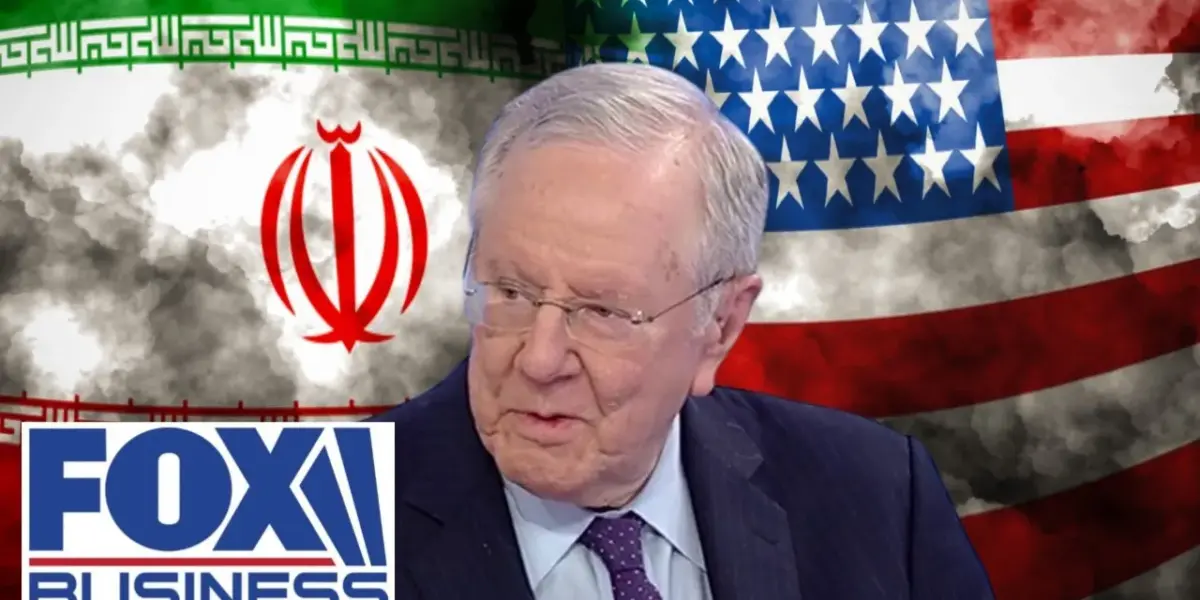
Talks between the United States and Iran are at a critical juncture. While President Trump has signaled a willingness for diplomacy, Iran’s leadership has labeled peace talks a “trap.” Experts like Steve Forbes, Chairman and Editor-in-Chief of Forbes, argue that any agreement short of regime change in Iran will be a loss for the free world.
“The blunt truth is on this whole situation, if that regime survives, they win. And the free world and America loses,” Forbes stated. He believes that unless the negotiations lead to a change in Iran’s government, the outcome will benefit adversaries like Russia, China, and North Korea, while the rest of the world suffers.
Concerns Over a ‘Trap’ Deal
The current situation has created a complex diplomatic challenge. Iran’s government is reportedly acting reluctant, a tactic seen as typical by observers. The U.S. has paused a ban on energy infrastructure projects, aiming to keep energy costs low for Americans. President Trump has previously stated a goal of seeing gasoline prices below $3 a gallon again.
However, achieving a lasting solution with Iran may require “some pain” for global energy markets. One proposed measure to mitigate this is the temporary lifting of sanctions on oil to increase supply. But the core issue remains the nature of any potential deal.
“The question is, what kind of deal?” asked Steve Forbes. “The Iranians, the Mullahs are behaving as usual, pretending to be highly reluctant.”
Regime Change: The Ultimate Goal?
Many analysts believe that genuine change in Iran is necessary for regional stability. Jackie, a commentator, emphasized that regime change isn’t just about peace but also a military objective. She argued that a radical regime in Iran will perpetually cause problems, likening the situation to a “whack-a-mole” game.
The idea of regime change is seen by some as a key part of President Trump’s legacy. For those with personal ties to Iran, like Jackie, whose mother immigrated before the revolution, seeing the current regime removed would be a chance for the Iranian people to reclaim their country. This perspective suggests that a better world could emerge if the current leadership is replaced.
The discussion also touched on the possibility of U.S. involvement. Some believe that behind-the-scenes talks have occurred, possibly involving figures like Steve Witkoff and Jared Kushner. If Iran admitted the capability for nuclear weapons, it might necessitate further action, potentially under operations like “Operation Epic Fury.”
Venezuela Model Questioned
The conversation turned to potential models for U.S. foreign policy, with Venezuela being brought up. Brian, a host, questioned if the U.S. might adopt a less intrusive approach, similar to its strategy in Venezuela, focusing on limited actions to keep America safe rather than imposing democracy or prosperity.
However, this comparison was largely dismissed by others. Dagen, a panelist, argued that Iran and Venezuela are vastly different entities. He described Venezuela as a “blind dictatorship” where the U.S. has kept the existing regime in place. In contrast, Iran is a “terrorist theocracy,” and achieving regime change there is seen as a much more complex challenge, especially since it hasn’t been the stated goal of U.S. leadership.
While President Trump has alluded to regime change, it hasn’t been a central, official policy statement from the White House. Actions like dismantling Iran’s missile and drone production capabilities are seen as potentially reparable. The concern is that if the current regime remains, it signals a lack of U.S. resolve, emboldening rivals like Russia and China.
Global Implications and Market Signals
The long-term implications of inaction are significant. If Iran is not effectively countered, countries like Japan and South Korea might pursue nuclear weapons. Russia could advance its goals in Ukraine and potentially challenge NATO, while China might make further aggressive moves.
The Strait of Hormuz, a vital oil shipping route, is a key area of tension. Nations like Bahrain and the UAE have joined a statement condemning Iran’s actions there. Some experts suggest that a coalition of Gulf nations, similar to the one formed against ISIS, could pressure Iran to keep the strait open.
Meanwhile, market signals indicate potential economic pressures. The 2-year Treasury yield has risen above the Federal Funds target rate, suggesting the market anticipates further interest rate hikes. Additionally, a significant amount of investment-grade debt, potentially $14 trillion, is expected to come to market from Treasury and corporate issuers in the next year. This increased supply could drive yields higher and impact credit spreads.
The sheer volume of government and corporate borrowing adds another layer of complexity. With the U.S. potentially spending hundreds of billions on conflict, and already facing substantial interest payments on its national debt, the market is demanding higher rates. The Federal Reserve’s recent shift towards quantitative easing, buying debt to support the market, highlights a potential lack of natural buyers.
Dagen highlighted that this situation is a concern for fiscal responsibility. “Where was our responsibility financially and fiscally anticipating this day?” he questioned, pointing to what he described as “profligacy on the right, on the left and right down the middle.” This suggests a broader issue of government spending and debt management that could affect the U.S.’s ability to handle international challenges.
The Path Forward: Stamina and Resolve
The consensus among some analysts is that the U.S. must demonstrate the stamina and resolve it showed during the Cold War. Steve Forbes stressed the need for a clear national address to explain the necessity of seeing the situation through, whether it takes days, weeks, or months.
Ultimately, the argument is that the Iranian regime must go. While the exact internal conditions that will bring this about remain unknown, the commitment to staying the course is presented as essential. Failure to act decisively could lead global powers to conclude that America lacks the backbone to enforce its objectives, with far-reaching consequences for international security and alliances.
The complex internal structure of Iran, including the powerful IRGC (Islamic Revolutionary Guard Corps), presents a significant hurdle. Breaking down this system is seen as crucial for the Iranian people to feel safe enough to rise up against the regime.
The financial markets are watching closely, with rising yields and substantial debt issuance signaling potential headwinds. The ability of the U.S. to manage its own fiscal house while confronting international challenges will be critical in determining the outcome.
Source: Forbes drops BLUNT TRUTH if Iranian Regime survives (YouTube)

Related Articles

Trump’s Iran Claims: Shocked or Deluded by War Games?
Donald Trump claimed surprise over Iran's actions in the Strait of Hormuz, but experts suggest retaliation was inevitable. Military war games likely predicted such a scenario, raising questions about the advice given to the President.

Israel’s Strategy Against Iran Revealed
Israel's strategy to counter Iran's nuclear ambitions and regional influence centers on containment, utilizing a mix of covert military actions, intelligence operations, and diplomatic pressure. Analysts highlight the growing urgency due to Iran's nuclear advancements, while also noting the persistent risk of escalation in the volatile Middle East.

Israel Eyes Lebanon Buffer Zone: A Political Ploy?
Israel's military operations in southern Lebanon aim to create a buffer zone and pressure Hezbollah, according to expert Yazid Sayigh. He argues the strategy is more political than military, echoing historical tactics. The ongoing conflict could destabilize Lebanon further, while Hezbollah fights for survival.