UK Politics: Phone Saga, North Sea Drilling, and Leadership Fears
UK politics is facing a turbulent period, with a controversy over MP Morgan McSweeney's phone raising questions about transparency and trust. Meanwhile, Labour leader Keir Starmer could face a historic leadership challenge, while the party grapples with internal divisions over North Sea drilling. Economically, the government is shifting towards targeted support, and international attention is on Iran's nuclear program.

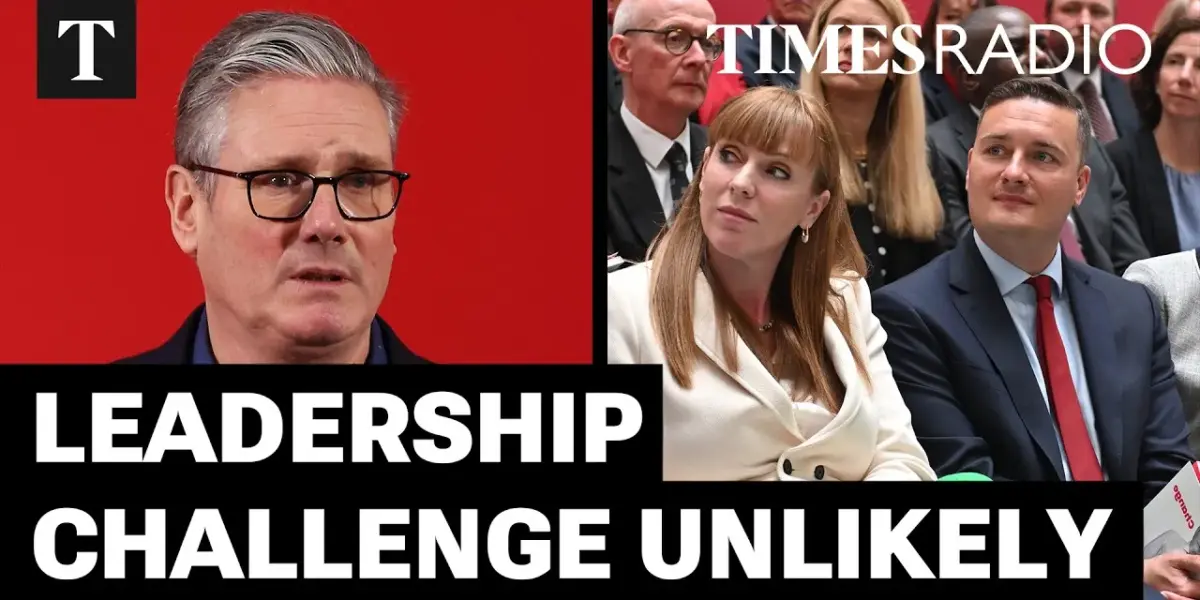
Starmer Faces Scrutiny Amidst Phone Data Controversy
A political firestorm is brewing in the UK, centered around allegations of a stolen phone belonging to Labour MP Morgan McSweeney. New information suggests the police were notified of a phone theft on October 20th, a date that falls after a significant scandal involving Peter Mandelson became public. This timing has raised more questions than it has answered, particularly as Steve Reed, a close ally of McSweeney and the Shadow Secretary of State for Environment, Food and Rural Affairs, previously stated on Sunday that the phone theft occurred before Mandelson left his job. The discrepancy has led to public skepticism and calls for greater transparency.
This situation is further complicated by questions about data security and communication strategies. Concerns have been raised about whether McSweeney’s phone had disappearing messages enabled or if security services were informed of the alleged theft, which reportedly involved the phone being snatched from his hand. The police stated they were too busy to launch a further investigation, a response that has drawn criticism. This drip-feed of information, as described by analysts, creates an impression of a lack of a clear communication strategy, damaging public trust. The public is becoming increasingly familiar with politicians citing lost messages or inaccessible phones, as seen with Boris Johnson during the COVID inquiry and Penny Mordaunt’s claims of disappearing messages.
The implications extend beyond individual politicians. The handling of such incidents erodes public trust in political parties, especially when the public is already skeptical. While there may be an innocent explanation, the way the story is unfolding makes skepticism almost unavoidable. The potential for messages to exist on other individuals’ phones, such as Peter Mandelson’s, adds another layer to the ongoing investigation.
Labour Leadership: A Looming Threat for Starmer?
Beyond the immediate controversies, the Labour party faces a potential leadership crisis that could make history. If Keir Starmer faces a full leadership challenge after the upcoming May local elections, he would be the first Labour leader in modern times to do so while still in power. Historically, leaders like Harold Wilson in 1976 faced challenges, but the current system, where MPs decide who runs but not necessarily the outcome, presents a different scenario. The prospect of a prolonged leadership contest, playing out for weeks while a Prime Minister is in office, would be a significant spectacle.
This potential challenge is fueled by reports that several cabinet members are considering their own chances to lead. While this internal ambition makes a unified challenge less likely, it highlights a growing unease within the party. Speculation also surrounds Angela Rayner, with differing opinions among MPs on whether she is positioning herself for a leadership bid or a deputy role. The uncertainty surrounding her strategy adds to the complex political landscape within Labour.
North Sea Drilling Debate: Jobs vs. Climate Goals
A significant debate is emerging within the Labour party regarding North Sea oil and gas drilling. Henry Tuffnel, the Labour MP for Mid and South Pembrokeshire, is advocating for the UK to utilize its existing North Sea reserves. He argues this would boost tax revenues, create jobs, and improve the country’s balance of payments, potentially reducing inflation. Tuffnel emphasizes the need for energy security, especially given global geopolitical uncertainties, and stresses the importance of a ‘just transition’ for communities reliant on the oil and gas industry.
His stance positions him against the party’s official policy and some within the government, including Ed Miliband, the Shadow Secretary of State for Energy Security and Net Zero. While Miliband is reportedly sympathetic to the concept of a just transition, he appears entrenched in the party’s commitment to phasing out new oil and gas licenses. Tuffnel’s argument centers on the pragmatic need to support his constituents, many of whom work in the energy sector, and to prevent de-industrialization. He believes that oil and gas will remain part of the energy mix for generations and that relying on imported fossil fuels from countries with lower environmental standards is counterproductive to global climate goals.
This division highlights a core tension within the Labour party: balancing immediate economic and employment concerns with long-term climate commitments. The debate also touches upon the UK’s manufacturing competitiveness, with Tuffnel calling for the scrapping of carbon taxes to create a level playing field with international markets. He specifically supports new licenses for projects like Rosebank and Jack, and further exploration in the North Sea, citing economic benefits as primary motivators.
Economic Policy: Targeted Support and Fiscal Prudence
Meanwhile, Chancellor Rachel Reeves has signaled a shift in economic policy, moving away from broad energy support packages. While acknowledging the need for contingency planning to keep costs down and support vulnerable households, she has stated that future aid will be targeted. This contrasts with her previous stance in 2022, when she advocated for a blanket energy bailout. Reeves now argues that such broad measures disproportionately benefit wealthier households and that the government’s financial position, strained by the pandemic and previous energy support schemes, necessitates a more focused approach.
The economic climate, marked by market volatility following the mini-budget, requires different strategies. Businesses, in particular, face rising energy costs, and there are concerns that a lack of support could lead to widespread closures. While some relief may come through business rates, it appears to require investment in energy efficiency upgrades, a prospect that may not be feasible for all small businesses. The government’s focus on growth is being questioned, with some suggesting that fiscal prudence and political considerations are taking precedence over economic expansion.
International Relations: Iran and US Diplomacy
On the international front, developments surrounding Iran’s nuclear ambitions and potential US negotiations have taken center stage. Donald Trump has claimed that Iran has agreed to abandon its nuclear weapon program, though Iran has reportedly denied any ongoing talks. The situation is complex, with conflicting reports and statements from various parties, including the US, Iran, and Number 10 Downing Street. The defense industry in Iran has reportedly seen a reduction in ballistic missile capabilities, but the regime’s ability to rebuild them remains a concern.
Analysts suggest that any resolution will likely involve guarantees for Iran against further strikes, particularly from Israel, and a US commitment to continued engagement. The role of individuals like Marco Rubio and J.D. Vance in potential negotiations is also being discussed, though their influence and involvement are subject to speculation. The broader context involves the strategic importance of the Strait of Hormuz and Iran’s leverage in the region. The discussion also touches upon the nature of presidential power, with observations that former President Trump appears more inclined to use the full extent of his authority, a strategy that carries inherent risks.
What’s Next?
The coming weeks will likely see continued scrutiny of the McSweeney phone saga and its impact on Labour’s public image. The party will also be navigating the internal discussions around potential leadership challenges and the crucial debate over North Sea drilling policy. Economically, the focus will remain on how the government balances fiscal responsibility with targeted support for households and businesses. Internationally, developments regarding Iran and US foreign policy will continue to be closely watched, especially given the volatile geopolitical landscape.
Source: Starmer Could Survive Past May Local Elections | Josh Glancy (YouTube)

Related Articles
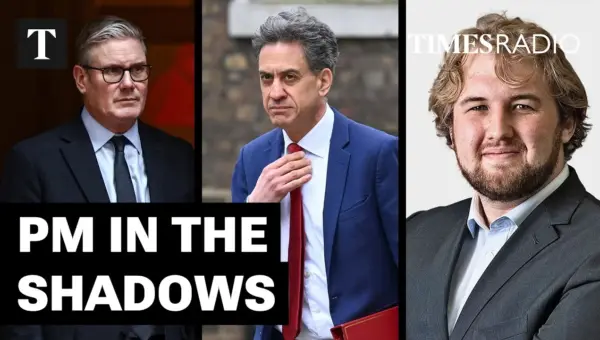
Labour’s Policies Vindicated, Ed Miliband Leads From Within
Labour's current policies are increasingly seen as vindicated by events, with Ed Miliband's economic and industrial vision guiding the party's direction. Meanwhile, speculation mounts over Sadiq Khan's potential move to a Westminster peerage and cabinet role, possibly as a response to anticipated poor local election results for Labour in London. The geopolitical landscape, particularly the conflict in the Middle East, also continues to shape the government's agenda.

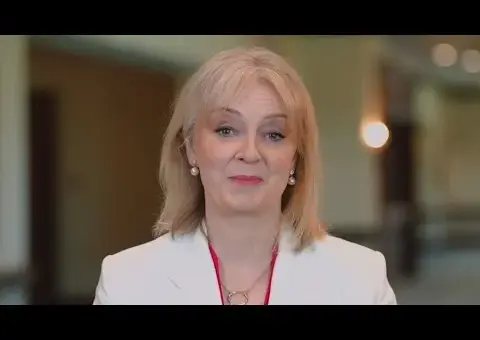
UK’s Starmer Risks US Ties, Courts Iran Threat
British Prime Minister Keir Starmer's stance on Iran is creating a rift with the U.S., raising concerns about national security and appeasing specific groups. The former PM warns of escalating anti-Semitism and calls for stronger conservative leadership, while reflecting on the monarchy and the challenges facing Prince Harry and Meghan Markle.

Iran War Sparks Fertilizer Crisis, Threatening Global Food Supply
The Iran war is not only impacting oil prices but also creating a severe fertilizer shortage that could lead to global food shortages this winter and spring. While temporary fuel waivers offer minor relief at the pump, the diversion of farmland for ethanol production and the disruption of fertilizer supply chains pose greater threats to global stability.