Tokenized Gold Surges Amid Geopolitical Shifts
Tokenized gold is surging as geopolitical fears subside and the Federal Reserve faces monetary policy uncertainty. Innovations in digital commodities aim to bridge traditional assets with modern finance, despite challenges in regulation and redemption.

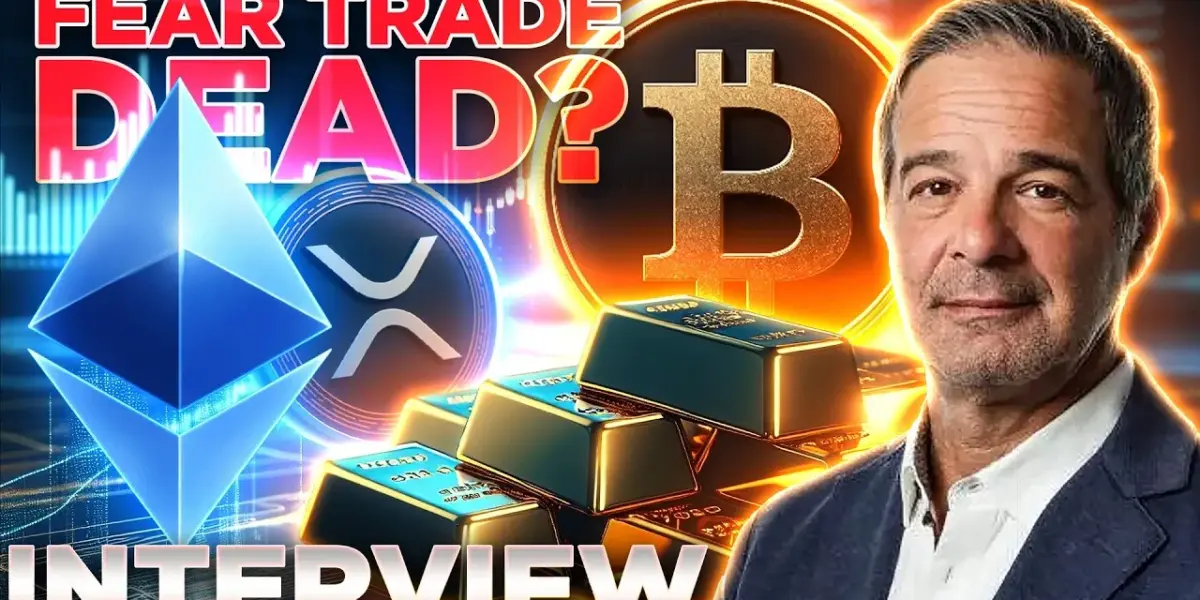
Tokenized Gold Surges Amid Geopolitical Shifts and Fed Uncertainty
The cryptocurrency market is witnessing a significant shift as tokenized commodities, particularly gold, gain traction. This surge comes amidst a complex global backdrop involving geopolitical tensions, potential sanctions relief, and the Federal Reserve’s uncertain monetary policy. These factors are driving innovation in how digital assets represent traditional stores of value.
Fear Trade Fades, Fed Factor Looms
Recent events, including a de-escalation in tensions involving Iran and the US, have led to a cooling of the ‘fear trade.’ This typically sees investors flocking to safe-haven assets like gold and silver during times of global uncertainty. As geopolitical risks appear to recede, investors are showing renewed interest in riskier assets like stocks and bonds, leading to a rally in equities. However, a significant concern remains the potential return of the ‘Fed factor,’ which could see interest rates rise, impacting various markets.
Iran and Bitcoin: A Developing Narrative
The geopolitical situation with Iran has also highlighted the growing role of Bitcoin. Iran has been a notable player in the Bitcoin mining space, and its citizens have increasingly used the cryptocurrency. The prospect of sanctions being lifted could significantly alter the financial landscape for Iran, potentially impacting its use of Bitcoin and other digital assets for transfers and economic activity. This developing narrative raises questions about how such changes could affect the broader digital asset market.
Tokenized Gold: Bridging Old and New
A key development is the rise of tokenized commodities, with tokenized gold leading the charge. Major networks like XRP and Ethereum are hosting a growing amount of activity in this area. This innovation aims to bring traditional assets into the digital realm, making them more accessible and usable within modern financial systems. The World Gold Council has launched a framework for standardizing tokenized gold, aiming to create a unified and interoperable market for digital gold across various financial platforms.
The Fed’s Tightrope Walk
The Federal Reserve faces a challenging economic environment. Rising inflation, partly fueled by global conflicts and energy prices, complicates decisions about interest rates. While economic pressures might suggest rate cuts, the risk of reigniting inflation is significant. Conversely, raising rates could destabilize the vast amount of outstanding debt, particularly the $10 trillion in bonds needing refinancing this year. This delicate balance puts the Fed in a difficult position, with potential outcomes ranging from stagflation to a severe economic downturn if rates are allowed to rise to market-determined levels.
The Genius Act and Monetary Policy
Looking ahead, the upcoming Genius Act, set to take effect next January, could significantly alter the monetary landscape. This act proposes that all global dollar movements will be blockchain-based and backed by stablecoins linked to short-term treasuries. Such a system could create synthetic demand for short-term debt, potentially limiting the Federal Reserve’s ability to control interest rates, especially the overnight lending rate. This development raises questions about the future power and influence of traditional central banking tools.
Tokenized Gold’s Potential and Challenges
The World Gold Council’s initiative aims to standardize tokenized gold, making it more fungible, collateralizable, and easily transferable. This could transform gold from a physically cumbersome asset into a more liquid and integrated component of the digital financial world. However, challenges remain, particularly concerning Know Your Customer (KYC) and Anti-Money Laundering (AML) regulations. While decentralized finance (DeFi) platforms currently offer tokenized gold without strict KYC, the path to wider adoption and integration into traditional finance may necessitate compliance measures.
Redemption and Physical Access
A crucial aspect for the success of tokenized gold is the ability to redeem it for physical gold and the clarity around its custody and auditing. Experts suggest that while tokenization can attract younger investors, the core concerns of traditional gold holders—physical possession, auditing, and redemption—must be addressed. Companies like Paxos and XAT offer tokenized gold, but the ease of redemption and the requirement for KYC remain key discussion points.
Comex Under Scrutiny
Concerns are also mounting over the credibility of traditional commodity exchanges like the Comex. Reports of significant metal leaving Comex vaults and operational ‘glitches’ have led to a decline in trust. In contrast, newer platforms like HyperLedger have demonstrated strong performance during stress tests. This erosion of confidence in legacy systems suggests a growing demand for more transparent and reliable digital alternatives for commodity trading and storage.
Tether’s Audit and Gold Holdings
Tether, a major player in the stablecoin market, is undergoing its first official audit with a ‘Big Four’ accounting firm. As one of the largest holders of gold outside of central banks, Tether’s move towards greater transparency could significantly impact the tokenized gold market. If successful, a fully audited platform could bridge the gap for gold ‘bugs’ seeking verifiable digital assets. However, questions about redemption mechanisms and the form of physical gold access will remain critical.
The Future of Digital Assets and Commodities
The convergence of traditional finance and digital assets is accelerating. Tokenization offers a pathway to modernize commodities, making them more accessible, liquid, and usable as collateral. While early days, the trend points towards a future where digital representations of physical assets play a crucial role in global finance. The ongoing developments in tokenized gold, alongside evolving monetary policies and geopolitical shifts, suggest a dynamic and transformative period ahead for both crypto and traditional markets.
Source: Fear Trade vs Bitcoin & Gold🔥Andy Schectman INTERVIEW~ (YouTube)

Related Articles

Iran’s Missile Threat Reduced by 90%, Analyst Says
An analyst reports that Operation Epic Fury has degraded Iran's missile launchers by 90%, despite challenges in targeting hidden sites. The conflict's duration and media coverage are also discussed, with implications for global energy markets and investor confidence.


Sacks Exits Crypto Role, Leaving Market Lacking Clarity
David Sacks has ended his term as White House AI and Crypto Czar without delivering promised legislative clarity or a strategic Bitcoin Reserve. His exit leaves the crypto market exposed and signals a shift towards risk-reward focused trading. Investors are now urged to rely on data and fundamentals rather than political hopes.


US Official Claims Iran War Could End Soon; Expert Skeptical
Despite US envoy Steve Woff's optimism about imminent talks and a swift end to the conflict with Iran, expert Aaron David Miller expresses significant doubt. Miller argues that a lack of shared urgency and fundamental miscalculations by the US administration make a quick resolution unlikely.