Trump’s Putin Puzzle: Asset or Ally?
An analysis explores the complex relationship between Donald Trump and Vladimir Putin, suggesting Trump's actions stem from insecurity and business ambitions rather than genuine alliance. The article examines historical interactions, financial ties, and alleged Russian influence, questioning whether Trump acts as an intentional or unintentional asset.

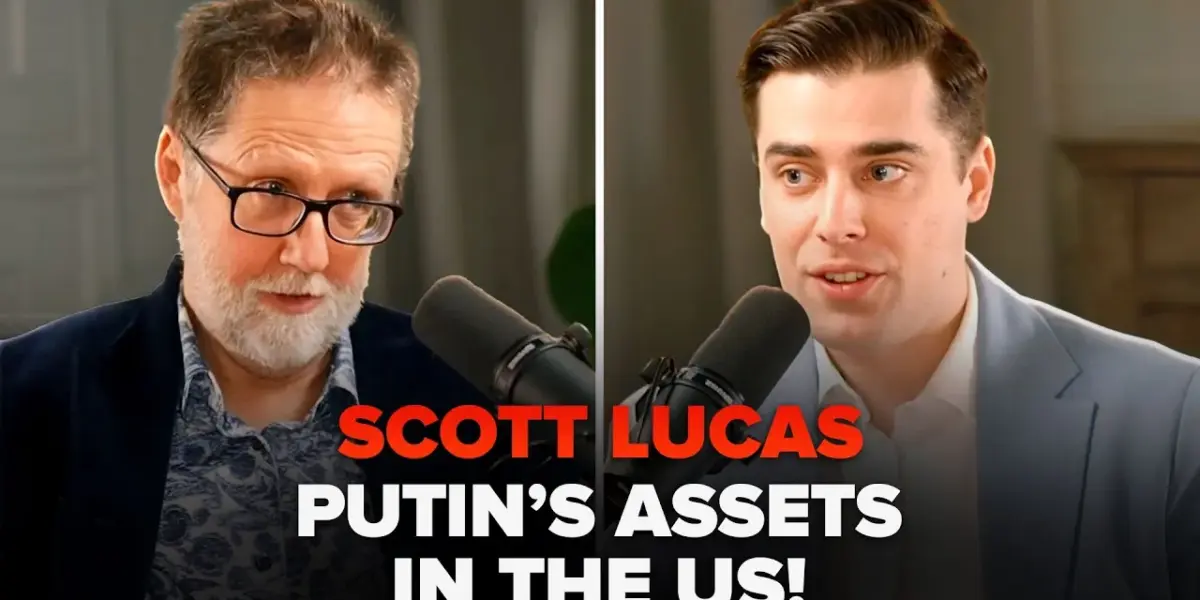
US Leadership’s Shadowy Dance with Russia
The complex relationship between former President Donald Trump and Russian President Vladimir Putin continues to be a subject of intense scrutiny. While Trump often projects an image of dominance, his interactions with Putin appear to follow a different script. Experts suggest this dynamic stems from Trump’s deep-seated insecurities and a long-standing desire for business ventures in Russia, rather than a typical alliance built on mutual respect or shared interests.
Trump’s Approach to Global Leaders
Those who have met Donald Trump often describe him as charming and interested in making deals. However, beneath this surface lies a tendency to bully individuals into submission. This approach, while applied to many, notably excludes Vladimir Putin. The reason, according to analysts, is Trump’s fundamental insecurity. He seeks validation, either through overt approval or by forcing others to accept his dominance. With Putin, however, he seems to avoid this confrontational stance, suggesting a different calculus at play.
A History of Russian Ambitions
Trump’s interest in Russia is not new. Since the 1990s, he has pursued business opportunities in post-Soviet Russia, envisioning projects like a Trump Tower in Moscow. This ambition was evident in 2013 when he brought the Miss Universe pageant to Moscow, seeking a meeting with Putin. While Putin did not meet him directly, he sent a notable gift, a gesture Trump apparently valued. This pursuit of Russian business and Putin’s favor highlights a consistent theme in Trump’s foreign policy outlook: a desire for personal connection and business advantage over traditional alliances.
The Autocrat’s Appeal
Trump’s interactions with other autocratic leaders offer further insight. He does not attempt to bully figures like Viktor Orbán, the Hungarian Prime Minister, who is also an autocrat. Similarly, after an initial attempt to bully Kim Jong Un of North Korea, Trump shifted his approach once an invitation for a meeting was extended. This pattern suggests that Trump is more inclined to bully leaders with whom he believes the U.S. should have a cooperative relationship, viewing these as win-lose scenarios where he expects to gain. In contrast, he seems drawn to strongmen, perhaps seeing a reflection of his own desired image.
Zelenskyy: A Different Dynamic
The relationship between Trump and Ukrainian President Volodymyr Zelenskyy is marked by a distinct lack of respect, according to some analyses. This is partly traced back to a 2019 incident where Trump allegedly pressured Zelenskyy to investigate Joe Biden. Instead of viewing Zelenskyy as a tough negotiator, Trump reportedly saw him as someone who nearly caused his impeachment, fostering resentment. Furthermore, Trump’s perceived lack of knowledge about Ukraine and Zelenskyy is seen as a factor. His focus remains on his own potential return to the presidency and seeking retribution, rather than on the complexities of the Ukrainian conflict.
Moments of Connection and Concern
Despite the general friction, there have been moments where Zelenskyy has managed to engage Trump. A notable instance occurred at the funeral of Pope Francis, where Zelenskyy reportedly had a private meeting with Trump. During this encounter, Zelenskyy is said to have described the realities of the Russian invasion and its aerial attacks. This direct appeal apparently resonated with Trump, leading him to a more attentive, listening mode, rather than his usual bullying posture. However, the concern remains that the Kremlin may work to pull Trump back into a more adversarial stance, particularly against Zelenskyy, while maintaining their own relationship with him.
The ‘Asset’ Question: Intentional or Unintentional?
The question of whether Donald Trump is a Russian asset, intentionally or unintentionally, is complex. Analysts distinguish between an ‘operative,’ who works directly for an intelligence service, and an ‘agent,’ who knowingly cooperates. An ‘asset,’ however, may not even be aware of their role. Evidence suggests that since the late 1970s, Soviet and later Russian entities have sought to establish relationships with Trump. This included attempts by Czech services through his first wife and direct Russian contacts in the 1980s. These efforts, often masked as business dealings, aimed to place individuals close to Trump.
Financial Ties and Russian Investments
In the 21st century, Russian individuals reportedly purchased condos in Trump’s major developments and bought his Florida property for a significantly inflated price. These transactions, while not direct payments from intelligence agencies, provided Trump with substantial financial benefits. His 2013 trip to Moscow for the Miss Universe pageant, where he met with Russian billionaires and discussed building a Trump Tower, further solidified these connections. The fact that Putin sent a personal note further fueled Trump’s desire for recognition.
Intervention and Intelligence Leaks
The narrative suggests that by 2015-2016, the Russians wanted Trump to win the election and actively intervened to help him. The release of Democratic National Committee and Hillary Clinton campaign emails through WikiLeaks, known to associates like Roger Stone, is cited as evidence of this intervention. The offer made by Professor Joseph Mifsud to a Trump campaign staffer, George Papadopoulos, regarding obtaining Hillary Clinton’s emails, is seen as a direct attempt to leverage these connections. Similarly, Donald Trump Jr.’s enthusiastic response to an offer of damaging material on Clinton, and his willingness to meet with Russians, is highlighted as further proof.
The Comey Firing and Intelligence Sharing
A pivotal moment cited is Trump’s meeting with Russian Ambassador Sergey Lavrov and Foreign Minister Sergey Lavrov in the spring of 2017, shortly after firing FBI Director James Comey. Instead of discussing substantive issues, Trump reportedly revealed sensitive U.S. intelligence information regarding Syria to Lavrov. This behavior, analysts argue, demonstrated a willingness to please the Kremlin, regardless of direct payment or favors, making him a valuable, albeit perhaps unwitting, asset.
The Putin-Trump Summits: A Mixed Bag
Summits between Trump and Putin, such as the one in Alaska in August 2025, have yielded mixed results. While Trump often seeks face-to-face meetings, the outcomes have been unpredictable. In one instance, intense Russian attacks on Ukrainian civilians led Trump to publicly question the actions, potentially influencing Russian strategy to avoid further sanctions. However, the optics of these meetings, with red carpet treatment for Putin, have often favored Russia. A key moment at the Helsinki summit in 2018 saw Trump appearing defeated after Putin’s lengthy historical discourse, which Trump reportedly found tedious and unproductive, as no concrete deal was reached.
Sanctions and Shifting Dynamics
Despite Trump’s desire to impress Putin, actions by others within the U.S. administration have sometimes counteracted this. By October, the Trump administration had sanctioned major Russian oil companies like Rosneft and Gazprom, significantly impacting Russian revenues. This demonstrates that even within Trump’s circle, there are forces pushing for actions against Russia. The Kremlin, recognizing this, has continued to seek influence, reportedly engaging with figures like Steve Bannon and Jared Kushner.
The Kushner-Dmitriev Deal
A significant event occurred around October 28th, involving Jared Kushner and Russian sovereign wealth fund head Kirill Dmitriev. Following discussions where Kushner reportedly advised the Kremlin on how to appease Trump, a 28-point ultimatum was allegedly hashed out. This ultimatum, rather than a peace plan, demanded Ukraine cede territory, including the Donbas region. This development, occurring shortly after sanctions were imposed and the potential for Tomahawk missile sales to Ukraine, suggests a concerted effort to undermine Ukrainian security and leverage Trump’s dissatisfaction with the lack of a deal.
A Dysfunctional Inner Circle
The article concludes by emphasizing the chaotic and often contradictory nature of Trump’s inner circle. While some individuals may genuinely support Ukrainian security, others appear to prioritize different agendas. Ultimately, the question of which faction gains the upper hand within this group significantly influences U.S. policy towards Russia and Ukraine.
Source: US leadership in Putin’s POCKET! Russian ASSETS at top! Does Trump hate Zelenskyy?@WorldatStake24 (YouTube)

Related Articles
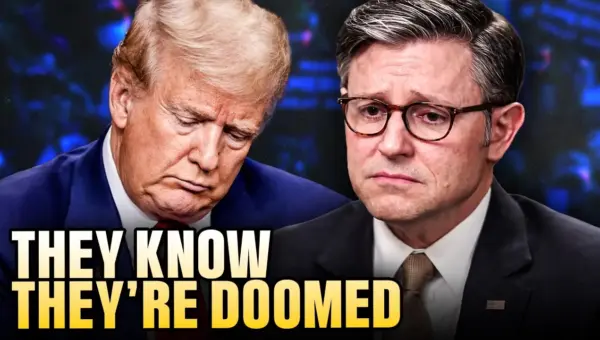
Polls Spell Doom: Republicans Face Voter Backlash
New polling data reveals a sharp decline in public confidence regarding the economic impact of Republican policies, particularly under Donald Trump. A significant majority now feel financially worse off, a trend that is especially pronounced among independent voters. This economic discontent poses a major challenge for the Republican party heading into future elections.
Iran’s Missile Threat Reduced by 90%, Analyst Says
An analyst reports that Operation Epic Fury has degraded Iran's missile launchers by 90%, despite challenges in targeting hidden sites. The conflict's duration and media coverage are also discussed, with implications for global energy markets and investor confidence.

Trump Delays Iran Strike Deadline Amidst Shifting Diplomacy
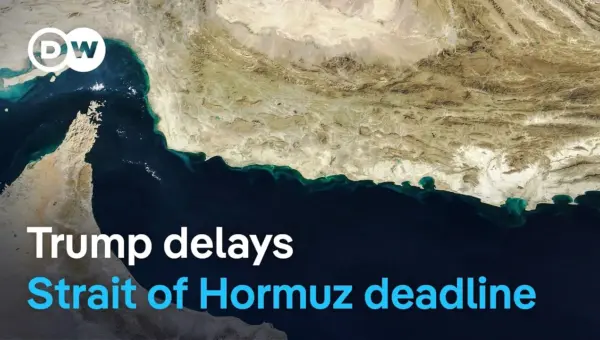
President Donald Trump has extended his deadline for potential strikes on Iranian energy plants to April 6th, amid reports of U.S.-Iran diplomatic talks mediated by Pakistan. This move comes as Israel continues its strikes on Iran and the U.S. deploys additional military assets to the region. Analysts point to mixed signals, economic pressures, and strategic miscalculations as key factors shaping the evolving situation.