Two Controllers in Tower During LaGuardia Crash, NTSB Reveals
The NTSB confirmed two air traffic controllers were on duty during a fatal collision at LaGuardia Airport, raising questions about staffing levels. The collision avoidance system failed to alert authorities because the fire truck involved lacked a transponder, adding complexity to the investigation.

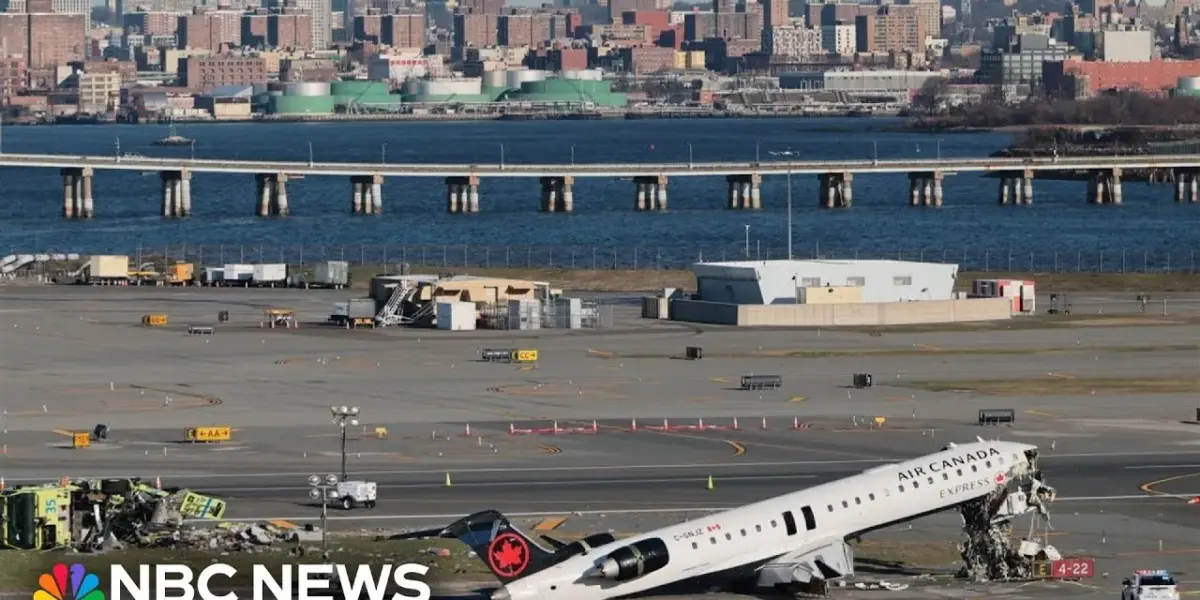
NTSB Reveals Two Controllers on Duty During Fatal LaGuardia Collision
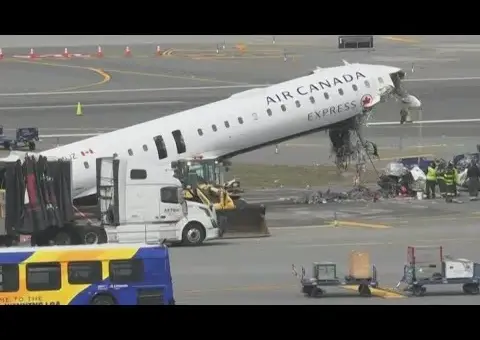
NEW YORK – The National Transportation Safety Board (NTSB) has confirmed that two air traffic controllers were on duty in the LaGuardia Airport tower during a fatal collision that occurred Sunday night. The NTSB’s findings, revealed at a press conference, also highlighted that the airport’s collision avoidance system did not issue an alert because the fire truck involved in the incident lacked a transponder. This information comes as the investigation into the crash continues, impacting flights and passengers at one of the nation’s busiest airports.
Key Details Emerge from Investigation
During a press conference, NTSB Chair Jennifer Hom provided crucial details about the moments leading up to the collision. The agency confirmed that two controllers were present in the tower during the overnight shift. This staffing level, while described by Hom as standard for periods of lower air traffic volume, has raised questions about its adequacy, especially given LaGuardia’s status as a major airport with round-the-clock operations.
The ASDE-X system, designed to detect potential collisions on runways, did not trigger an alarm. This failure occurred because the fire truck involved in the accident was not equipped with a transponder, a device that communicates its location and movement to air traffic control systems. Without this electronic signal, the system could not identify the truck as a hazard on the active runway.
Concerns Over Controller Staffing and Protocol
The presence of only two controllers on duty during the late-night hours has become a focal point of the investigation. A former FAA controller with 22 years of experience suggested that two controllers might be insufficient, especially during extended shifts. “Two is a very, very tight margin for error,” he stated, emphasizing the need for relief during breaks for coffee or restroom use. He argued that having only one person managing all responsibilities when the other is away is a risk, and that two should not be the default staffing level.
Further questions remain about the exact location of the two controllers within the tower during the incident. While it’s confirmed they were on duty, details about whether they were both in the main control cab or elsewhere in the tower are still being sought. The NTSB is also examining the communication between the tower and the fire truck. Audio from air traffic control reveals a controller issuing multiple “stop” commands to the fire truck, but the specific phrasing and clarity of these instructions are under review. It is unclear if the communication adequately identified the target, the fire truck, to ensure compliance.
A Rapid Sequence of Events
The collision unfolded in a matter of seconds, illustrating the speed at which critical events can occur at an airport. According to the timeline provided, the clearance for the fire truck to enter the runway came in at 20 seconds past the minute. Six seconds later, the tower instructed the truck to stop. Just three seconds after that, the pilots of the aircraft transferred control, meaning they were about to land. Four seconds later, the truck was told to stop again, immediately before the collision occurred.
This rapid sequence highlights a potential breakdown in communication and procedure. The presence of numerous emergency vehicles, including fire and police vehicles, near the runway at the time, as confirmed by Ms. Hom, adds another layer of complexity. Investigators are working to determine if these vehicles understood the instructions being issued and who they were intended for.
Broader Implications and Airport Operations
The incident at LaGuardia, a major hub with approximately 900 flights arriving and departing daily, has caused significant disruption. Hundreds of flights have been canceled since the crash, affecting thousands of passengers. Runway 4, the site of the collision, is expected to reopen by Friday, according to the FAA, with the hope of returning the airport to normal operations soon.
However, the investigation is far from over. The NTSB is continuing its work at the crash site, examining the wreckage for clues. The incident has prompted a wider discussion about aviation safety protocols, particularly concerning controller staffing during off-peak hours and the effectiveness of collision avoidance systems in complex airport environments. The NTSB’s final report will likely offer recommendations to prevent similar accidents in the future.
What’s Next?
As the investigation progresses, the NTSB is expected to release more detailed findings regarding the communication logs, the operational status of the ASDE-X system, and the procedures followed by the air traffic controllers and emergency personnel. Passengers flying through LaGuardia will likely experience continued, though diminishing, disruptions as the airport works to resume full operations. The focus remains on understanding the full chain of events and implementing measures to enhance safety across the national airspace system.
Source: NTSB says there were two controllers in LaGuardia tower at time of fatal collision (YouTube)

Related Articles
LaGuardia Runway Reopens After Deadly Crash, Safety Lapses Exposed
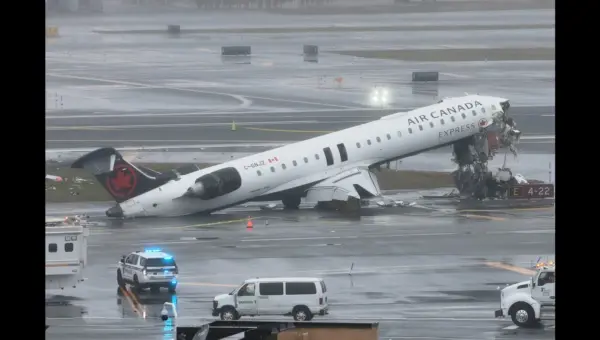
LaGuardia Airport's main runway has reopened after a fatal crash involving an Air Canada Express jet and a fire truck. The incident, which killed two pilots, exposed critical failures in airport safety systems, including ground surveillance and transponder use.

Iran War Talks Ignite, Airport Chaos Deepens
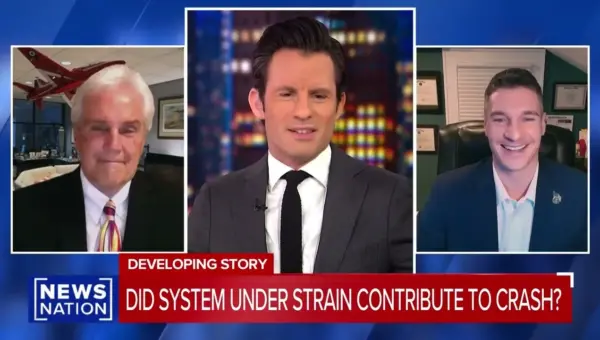
President Trump confirms peace talks with Iran are underway, while US airports face ongoing chaos due to the DHS shutdown. Investigations into a fatal LaGuardia crash reveal systemic safety issues, with experts citing controller fatigue and staffing shortages. Meanwhile, the search for a missing elderly woman continues in harsh desert terrain, highlighting diverse challenges facing the nation.
Air Safety Fears Soar After Deadly Crash
A fatal crash at LaGuardia Airport has triggered a national review of air safety, revealing a pattern of close calls and communication issues at U.S. airports. Investigators are examining technology and staffing, as calls grow for urgent safety upgrades.