Foldable Phones: Big Screen, Big Problems
Foldable phones promise more screen, but current models face significant hurdles. Book-style foldables are too big, while flip phones suffer from confusing software. Both are works in progress for early adopters.


Foldable Phones: Big Screen, Big Problems
Foldable phones promise a bigger screen experience, but current designs still struggle with key issues. While the idea of more screen real estate is appealing, both flip-style and book-style foldables face significant hurdles. One camp battles software glitches, while the other fights hardware limitations, leaving users wanting more.
The Book-Style Foldable Dilemma
Take the Google Pixel Fold, for instance. It offers a generous, tablet-like screen when unfolded, which can be surprisingly useful for multitasking and media consumption. However, this larger form factor comes with its own set of challenges. Unfolding and operating the device with just one hand is often difficult, making quick checks or replies cumbersome. Furthermore, durability remains a concern, a common theme with foldable screens. Camera performance also tends to lag behind traditional flagship phones. The promise of a larger screen is compelling, but the execution still feels a bit clunky and unrefined.
The Flip-Style Foldable Frustration
On the flip side, devices like the Motorola Razr+ Ultra nail the hardware. The compact, pocketable design when closed is undeniably cool. But the experience quickly sours once you start using it. Opening the phone reveals a tall display where apps often feel stretched or awkward. The keyboard can be wacky, and essential elements are frequently pushed to the top, far from your thumb’s reach. It’s as if the software hasn’t caught up with the hardware’s potential.
The external screen also presents its own set of software headaches. The phone constantly asks for permission to use apps on the cover screen, which feels redundant and annoying. Imagine trying to reply to a text message; the keyboard pops up, but it obscures the message you’re trying to answer. This suggests that developers might not be testing these phones with the cover closed, leading to a frustrating user experience. Despite these software woes, there are moments where the flip phone shines. The quick access to information on the cover screen and the ability to prop the phone up for hands-free photos offer glimpses of its true potential. However, the confusing software often undermines these positive aspects.
Who Should Care?
For early adopters and tech enthusiasts who crave the latest innovations, foldable phones offer a glimpse into the future of mobile devices. If you prioritize a larger screen for productivity or media and are willing to overlook some quirks, a book-style foldable like the Pixel Fold might be worth considering. However, be prepared for a less-than-perfect one-handed experience and potential durability concerns.
If you love the idea of a compact, stylish phone that fits easily into your pocket, a flip-style foldable like the Motorola Razr+ could appeal. Just be aware that the software experience might require some patience and workarounds. The convenience of the smaller form factor is a major draw, but the software needs significant improvement to make it truly seamless. Both types of foldables are still finding their footing, making them best suited for those who enjoy tinkering and are excited by new form factors, rather than those seeking a perfectly polished, everyday device.
Specs & Key Features
- Google Pixel Fold: Offers a larger, tablet-like internal display; struggles with one-handed operation and durability; camera performance is a potential weak spot.
- Motorola Razr+ Ultra: Features a compact, pocketable design when closed; boasts a functional external display; suffers from software quirks, including awkward app layouts and notification management.
The Verdict
Foldable phones are still a work in progress. The larger screens are exciting, but they come with compromises. Book-style foldables are too big and clumsy for some tasks, while flip-style foldables are hampered by software that doesn’t quite make sense. Until these issues are resolved, foldable phones remain a niche product for the most dedicated tech fans.
Source: Flip vs. Foldable phones #Vergecast (YouTube)

Related Articles

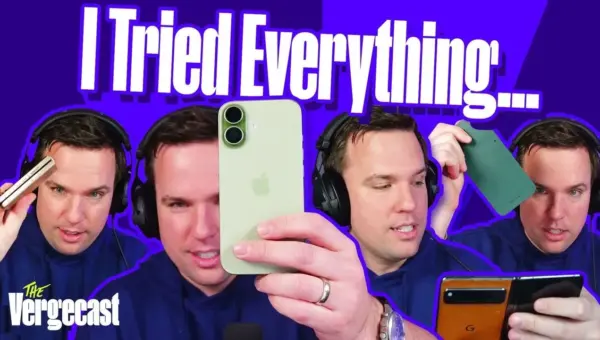
Why I Bought An iPhone Again After Trying Everything
After a months-long exploration of various smartphones, including foldables and flip phones, senior editor David Pierce found himself returning to the familiar embrace of an iPhone. He discusses the significant challenges of switching phones, the software and hardware flaws in newer form factors, and the compelling AI advancements in Android, ultimately explaining why the iPhone's ecosystem won out.


YouTube Rewards Creator With Epic Swag
YouTube is showering its top creators with exclusive, custom-designed merchandise like varsity jackets and license plates to celebrate their channel milestones. This initiative highlights the platform's growing appreciation for its dedicated content creators.
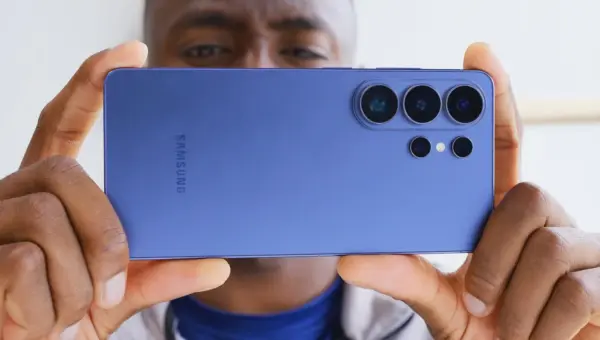
Samsung S26 Ultra: Clever Features Come With Trade-offs
Samsung's latest Galaxy S26 Ultra introduces an innovative Privacy Display, but this clever feature comes with notable trade-offs in resolution and viewing angles. While performance and camera upgrades impress, the device grapples with compromises that challenge its 'Ultra' status.