Gulf States Urge Calm Amid Escalating Iran Conflict
Gulf nations, including Saudi Arabia, Qatar, and Bahrain, are urging de-escalation as Iran's regional attacks escalate. While Saudi Arabia adopts a restrained policy, Qatar shifts its mediation stance after its LNG facilities were targeted. Bahrain advocates for diplomacy and defense, highlighting a regional consensus for stability.

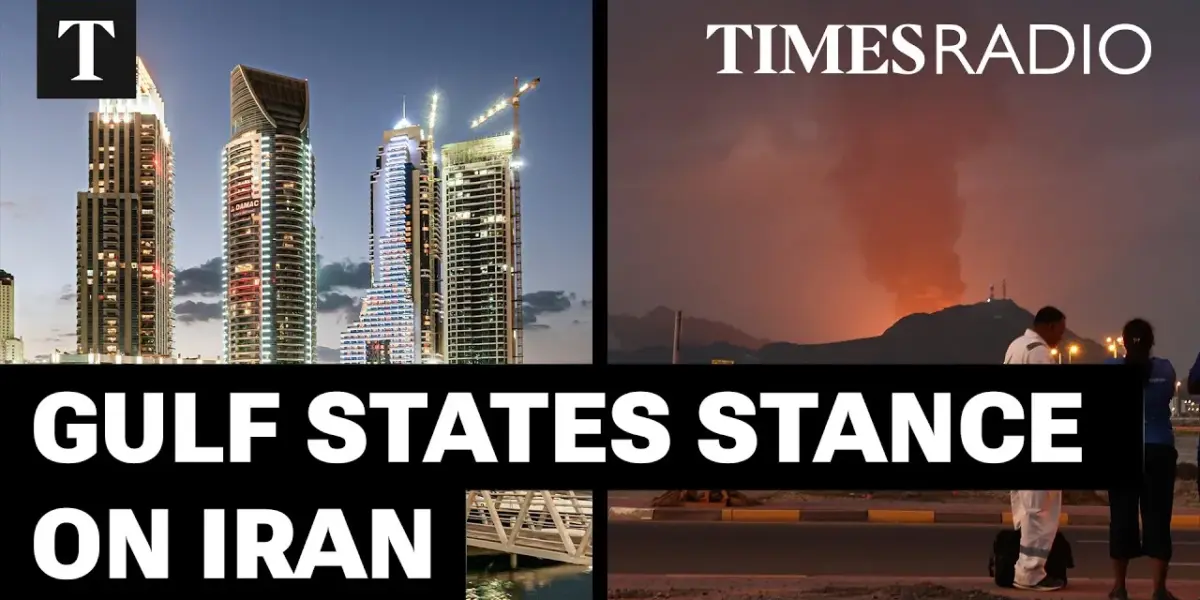
Gulf Nations Call for De-escalation Amidst Iran’s Regional Attacks
As Iran continues its assaults across the Middle East, hitting targets in Israel and Gulf nations like Qatar, Bahrain, and Saudi Arabia, leaders in the region are urging for a de-escalation of the conflict. The ongoing violence has put a spotlight on the complex diplomatic landscape, with countries like Saudi Arabia, Qatar, and Bahrain playing crucial roles in mediating past conflicts and now seeking a path toward peace.
Saudi Arabia Seeks Restraint Amid Regional Tensions
Saudi Arabia is currently adopting a policy of restraint, despite recent developments that might suggest otherwise. While the kingdom has agreed to allow U.S. forces to use an air base on the Arabian Peninsula’s western side, its officials emphasize a desire to avoid involvement in the current war. The collateral damage from the attacks is a serious concern, impacting vital infrastructure such as desalination plants and oil production facilities.
“We do not want to be involved in a war. Already, we are involved. It’s collateral damage that Mr. Trump knew would happen when they started bombing and creating mayhem and confusion. But right now, I think we are restrained and it’s not a form of weakness.”
Khaled Almina, Saudi Political and Media Analyst
The Saudis are keen for the conflict to end quickly, not out of fear, but because they recognize the devastating impact on the entire Gulf region. The potential disruption to the upcoming Hajj season, a major Islamic pilgrimage expected around May 24th, further heightens the urgency for peace. Saudi Arabia has made significant efforts over the past four years to improve relations with Iran, including re-establishing diplomatic ties and facilitating pilgrimages, making the current escalation particularly concerning.
Qatar Shifts Stance Amid Direct Attacks
Qatar, which previously played a key role in mediating a 12-day war last year, is taking a different approach this time. While maintaining contact with the United States to find a diplomatic solution, Qatar has made it clear it is not currently participating in mediation efforts. This shift comes after Qatar itself became a target, with significant damage reported to its liquefied natural gas (LNG) facilities.
Sheik Nawaf Althani, president of the Council on International Mediation, highlighted Qatar’s focus on protecting its homeland and assessing the damage. He stated that Qatar expects Iran to demonstrate sincerity and recognize the seriousness of its actions, particularly regarding attacks on civilian facilities, which are viewed as war crimes. For Qatar to re-engage in mediation, it needs to see a clear end state and a commitment to actual peace talks.
“Iran has to show its sincerity towards what basically, and this is just my view, crimes. These are war crimes attacking civilian facilities and come to realization that there is seriousness towards actual mediation.”
Sheik Nawaf Althani, President of the Council on International Mediation
Bahrain Advocates for Diplomatic Solutions and Defense
Bahrain, like its Gulf neighbors, is in a defensive posture, having intercepted hundreds of drone and missile attacks since February 2018. While reports have emerged suggesting missile launches from Bahrain, the country maintains its involvement aligns with the defensive stance of Saudi Arabia and the UAE. Bahrain’s focus is on intercepting threats and advocating for diplomatic solutions.
Bahrain has been active on the international diplomatic stage. As a non-permanent member of the UN Security Council, it drafted and co-sponsored a resolution condemning Iranian attacks on Gulf states, which was passed by 135 countries. Furthermore, Bahrain is part of a 22-country joint statement supporting the protection of the Strait of Hormuz and is reportedly drafting another UN resolution concerning the legitimate use of force in international settings.
A Consensus for Stability in the Gulf
Despite differing levels of involvement and specific diplomatic actions, a clear consensus is emerging among the Gulf states: a determination to avoid unnecessary escalation and maintain stability. This shared goal underscores the region’s commitment to peace, recognizing the far-reaching economic, religious, and social consequences of prolonged conflict. The coming weeks will be crucial in determining whether diplomatic efforts can avert further escalation and secure lasting peace in the Middle East.
Source: Gulf States Urge De-escalation In Iran Conflict (YouTube)

Related Articles
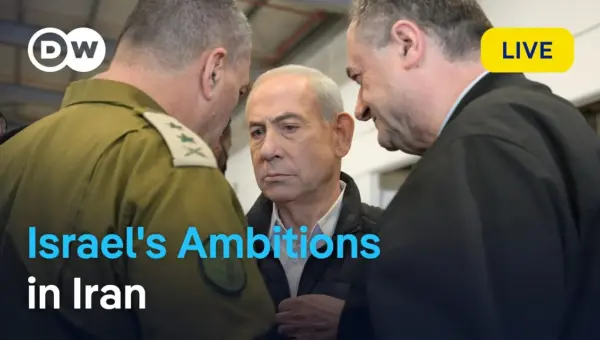
Israel’s Strategy Against Iran Revealed
Israel's strategy to counter Iran's nuclear ambitions and regional influence centers on containment, utilizing a mix of covert military actions, intelligence operations, and diplomatic pressure. Analysts highlight the growing urgency due to Iran's nuclear advancements, while also noting the persistent risk of escalation in the volatile Middle East.
Kremlin Shakes: Elite Discontent Fuels Putin’s Paranoia
Internal turmoil and paranoia are reportedly gripping the Kremlin as President Putin faces growing elite discontent and the realities of the Ukraine war. Meanwhile, Russia's strategic involvement in the Iran conflict highlights complex calculations and potential risks, even as a wider global war remains unlikely.


Stocks Ignore War Risks, Focus on “Taco Moments”
Stock markets appear to be overlooking the severe supply chain risks stemming from the Iran conflict, focusing instead on potential diplomatic de-escalations. While the S&P 500 shows resilience, bond and commodity markets signal deep concern over disruptions to critical resources like LNG, helium, and fertilizers.