US Deploys Elite Troops, Escalating Iran Standoff
The United States is reportedly deploying elite 82nd Airborne paratroopers to the Middle East, signaling a potential escalation of conflict with Iran. This move, which includes striking Qeshm Island's runway, contrasts with official de-escalation claims and raises concerns about a potential ground operation. The deployment carries significant risks and could destabilize global supply chains.


US Deploys Elite Troops, Escalating Iran Standoff
The United States appears to be moving towards a more aggressive stance in the Middle East. Reports indicate the deployment of elite American paratroopers to the region. This action contrasts with official statements suggesting de-escalation and ongoing negotiations with Iran. The deployment of the 82nd Airborne Division, known for its rapid response capabilities, signals a significant shift in U.S. strategy. This move follows weeks of heightened tensions and strikes against Iranian energy infrastructure.
Elite Forces Mobilize for Potential Ground Operations
Independent flight tracking data shows a flurry of activity from Fort Bragg, the home of the 82nd Airborne. Since March 12th, at least 35 heavy military transport planes have departed, with 11 reportedly en route to the Middle East. This mobilization is particularly noteworthy because the unit’s leave and training were reportedly canceled about a month prior, hinting at planned operations. The U.S. has not conducted a combat airdrop since Operation Northern Delay in 2003, making this potential deployment a significant event.
Focus on Qeshm Island Amidst Broader Strategy
A central element of the U.S. strategy appears to be focused on Qeshm Island. The administration’s goal is reportedly to pressure Iran into capitulating to U.S. demands, which may include regime change. The U.S. has already struck the island’s runway, a move that likely necessitates the activation of airborne troops to secure or operate from the location. While the total number of U.S. troops being mobilized, including 2,500 Marines coming from Japan and 2,200 from California, is insufficient for a full-scale invasion of Iran, it could be enough to occupy strategic points like Qeshm Island.
Challenges and Risks of Occupying Qeshm Island
Securing and holding Qeshm Island presents major challenges. The island is strategically located but highly vulnerable. It sits close to a mountainous region in Iran where numerous missile silos are hidden underground. Iran’s missile sites can likely reach Qeshm Island easily. Even if U.S. forces could repair the airfield and receive more supplies and support, maintaining control would be extremely difficult. The U.S. has been conducting strikes to neutralize these missile threats, but the island remains within range of many launch sites.
Historical Context and Presidential Style
This potential ground operation marks a significant escalation. The U.S. president has a history of seeking to be the first or the greatest in his actions, a trait that might align with undertaking such a notable military maneuver. Historically, large-scale ground operations in the region have been complex and costly. The current situation also echoes past U.S. military engagements in the Middle East, which often involved intricate planning and faced unpredictable outcomes.
Economic Ramifications and Global Supply Chains
The ongoing conflict and potential escalation have serious economic consequences. Countries already facing severe economic crises, such as Australia and nations across Southeast Asia, could be further impacted. Disruptions to the Strait of Hormuz, a vital shipping lane, affect global supply chains. The hope for a swift resolution and a return to normal trade routes now appears less likely, potentially worsening economic instability worldwide.
Future Scenarios and Uncertainties
Reports suggest that the Pentagon is hours away from approving the deployment. This rapid pace indicates a potential for swift action. While many hope for de-escalation, the current trajectory suggests otherwise. The president’s approach often involves using deployed assets, making the commitment of these elite troops likely to result in their use. The situation is fluid, and further developments are expected. The conflict is reaching a new intensity, with the potential for increased casualties and damage.
Global Impact
This move by the United States represents a critical juncture in Middle Eastern geopolitics. The deployment of ground forces, particularly elite airborne units, signals a departure from solely air and naval operations. It raises the stakes significantly, potentially drawing the U.S. into a protracted ground conflict. The broader implications extend to international relations, global energy markets, and the stability of trade routes. The effectiveness of such a strategy, given Iran’s defensive capabilities and the region’s complex geography, remains a key question. The world watches as this situation develops, with significant consequences for regional and global security.
Source: GROUND INVASION IMMINENT: The 5,000 Troops Ready To Fight (YouTube)

Related Articles

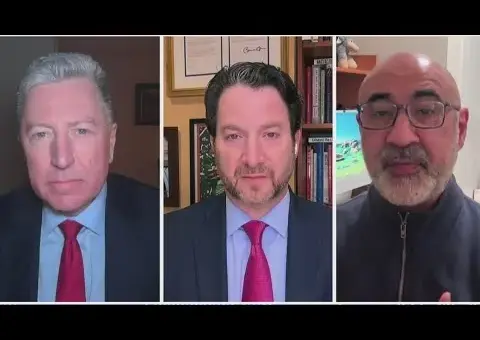
U.S. Iran Tensions Rise Amid Shifting Alliances
Rising tensions between the U.S. and Iran are creating a volatile geopolitical situation. With conflicting signals on de-escalation and potential shifts in alliances like NATO and U.S.-Israel relations, the path forward remains uncertain. The global economy and regional stability hang in the balance.
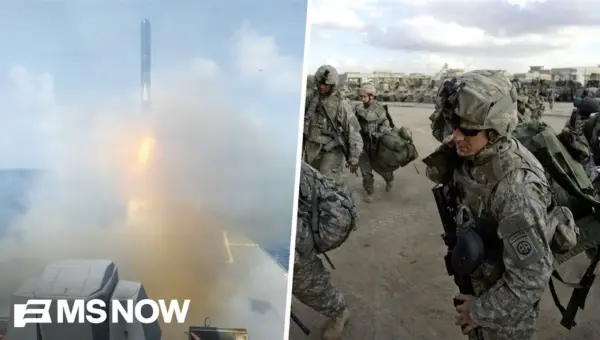
Iran Missile Strikes Injure US Troops, Raise War Concerns
Iranian missile strikes have injured U.S. service members, escalating tensions as the conflict nears one month. The attacks are raising concerns about the effectiveness of U.S. military strategy and the depletion of crucial missile stockpiles. Global oil prices have surged, impacting economies worldwide.

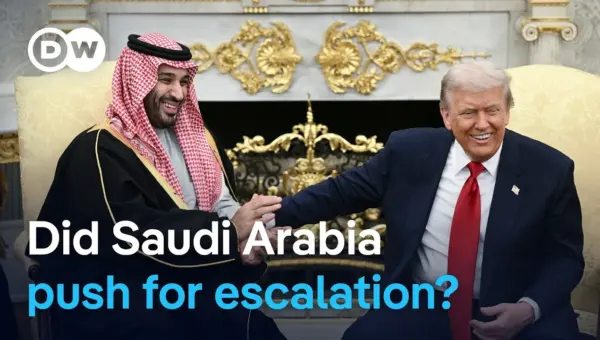
Saudi Arabia Pushes US for Iran War, Report Claims
Saudi Arabia's Crown Prince Mohammed bin Salman has reportedly urged the US to escalate military action against Iran, viewing it as an opportunity to reshape the Middle East. While Saudi officials deny the report, the push comes amid increased Iranian attacks on Saudi oil infrastructure. Experts suggest a complex dynamic where Saudi Arabia seeks US intervention while also managing the risks of regional instability.