Pentagon Closes Media Offices After Court Ruling on Reporter Access
The Pentagon is closing its media offices following a federal judge's ruling against new guidelines for journalists. This move is seen by some as an attempt to circumvent the court's decision, which found the rules unconstitutional. The closure raises concerns about transparency and the public's understanding of ongoing conflicts.

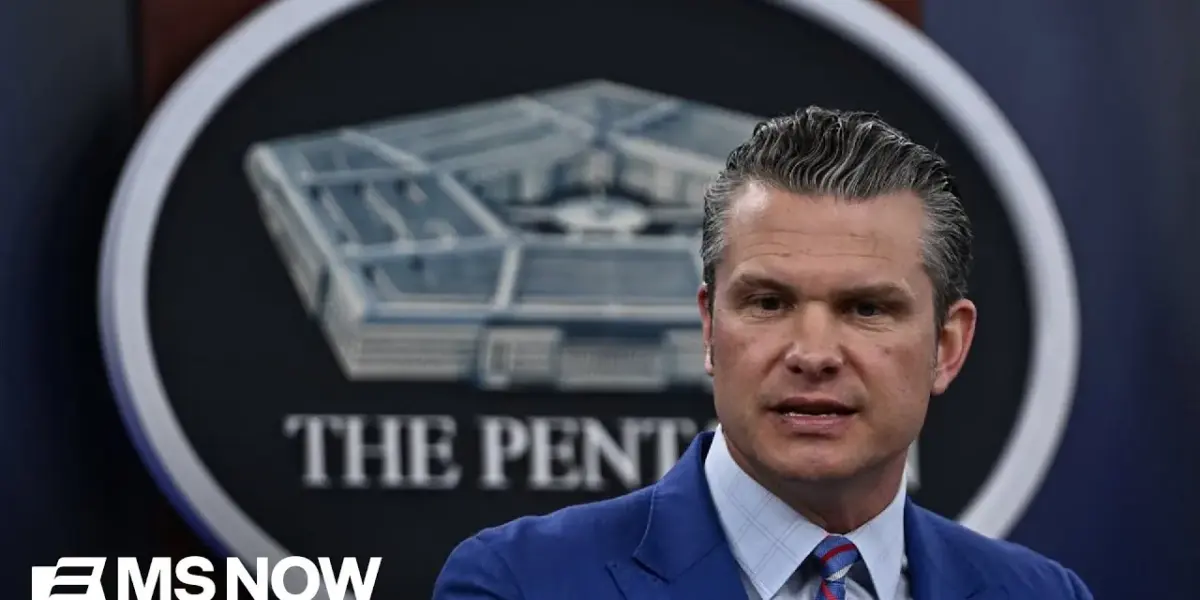
Pentagon Shuts Down Media Offices Following Court Decision
The Pentagon is closing its media offices for reporters, a move that comes after a federal judge ruled against new Pentagon guidelines for journalists. A spokesperson confirmed the closure yesterday. The area known as the “correspondent” section of the building will be shut down immediately. This action is seen by some as an attempt to avoid following the judge’s order.
Court Ruling and Pentagon’s Appeal
The federal judge ruled on Friday that the Pentagon’s proposed rules for journalists violated the Constitution. These rules required reporters to agree to new terms to maintain their access. Many journalists refused to sign the new guidelines. The Pentagon is now appealing this ruling. Some observers believe closing the offices is a way to sidestep the court’s decision. This would mean reporters would no longer be allowed in the building, thus avoiding the need to comply with the judge’s order.
“The ruling was quite clear that the rules that they were proposing violated the Constitution and that they should be removed.”
Impact on War Reporting
The decision to close media offices has raised concerns about the public’s understanding of ongoing conflicts. Journalists who were removed from the Pentagon on October 15th for refusing to sign the new guidelines have spoken out. They argue that at a time of war, it is crucial to have open access to information. The current press briefings are described as having “a little bluster and very little actual information.” This lack of transparency makes it difficult to get a clear picture of what is happening on the battlefield.
Controlled Press Conferences and Limited Questions
Since the current war began, press conferences at the Pentagon have been highly controlled. Questions are often selected by the Department of Defense from journalists who are invited to attend. It is also very difficult for reporters to ask follow-up questions. This limited format prevents a basic understanding of the war’s progress. For example, the U.S. claims to have destroyed a large portion of Iran’s drone and missile capabilities. However, Iran continues to target Israel and its allies. Without a proper format to ask why this is happening, the public cannot get clear answers.
The Broader Implications of Limited Access
The way war is understood and discussed can shape the battlefield itself. When administration officials do not have to answer tough questions or provide specific details, it can have real-world consequences. This lack of accountability makes it harder to determine if wars are going well or if expectations are being met. The Pentagon is currently asking for an additional $200 billion in taxpayer money to fund its operations. Journalists argue that the American public has a right to as much information as possible, especially when so much money is involved and during times of conflict.
Information Control in the Modern Age
The situation at the Pentagon highlights a larger issue of information control in modern warfare. In countries like Iran, the regime controls internet access, shaping the narrative that gets out. Similarly, access to information about the extent of damage in conflicts is limited. The Pentagon’s decision to close its media offices adds another layer of restriction. This denial of information to the public is occurring from multiple key participants in global conflicts.
Looking Ahead
Despite the closure of media offices, the Pentagon press corps has continued to break news that the Department of Defense may not have wanted released. It is likely that journalists will continue to seek and report important information. The public will be watching to see if the Pentagon will reconsider its stance on media access and if further legal challenges will arise. The debate over transparency and accountability in reporting on national security matters is ongoing.
Source: Pentagon to remove media offices after court ruling (YouTube)

Related Articles

Pentagon Chief Blocks Black, Female Officers’ Promotions
Pentagon chief Pete Hegseth is reportedly blocking the promotions of four Army officers, two Black and two women, to one-star general. This decision follows reports of alleged discriminatory remarks made by a top aide to Secretary Hegseth regarding President Trump's comfort standing with Black female officers.


Pentagon Weighs 10,000 Troops for Iran Showdown
The Pentagon is reportedly weighing a significant troop increase of 10,000 soldiers to the Middle East, potentially escalating tensions with Iran. This move comes amid reports of U.S. precision strikes and interceptions of Iranian missiles by allies, raising concerns about regional stability and global oil supplies.


Savannah Guthrie Returns to TODAY After Family Ordeal
Savannah Guthrie is set to return to the TODAY show on April 6th following a period of hardship after her mother's kidnapping. She has shared a heartfelt message to the abductor and spoken about her family's resilience. Guthrie plans to find joy as a form of protest upon her return.