Germany Slams US “Illegal” Iran War, Widens Transatlantic Rift
German President Frank-Walter Steinmeier has strongly condemned the U.S.-led war against Iran, calling it an illegal and disastrous mistake that violates international law. His unusually forceful remarks highlight a growing rift in transatlantic relations, with Germany questioning U.S. justifications for the conflict. The comments align with widespread public disapproval in Germany and could increase pressure on Chancellor Scholz's government.

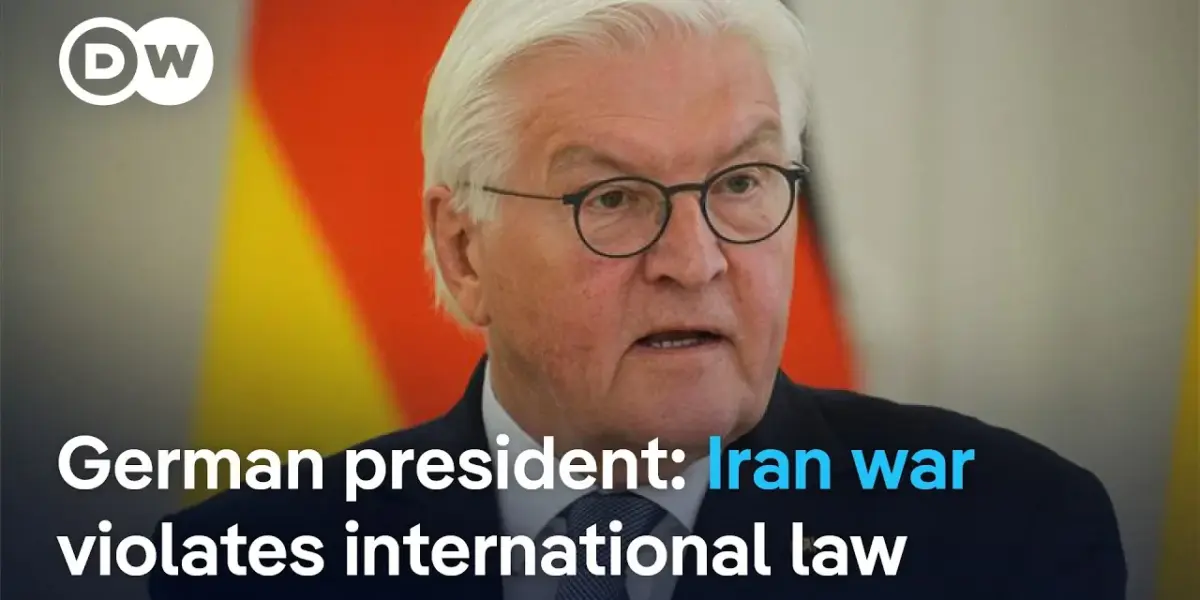
Germany’s President Calls US-led Iran War ‘Illegal’ and ‘Disastrous’
Berlin, Germany – In a strong rebuke of U.S. policy, German President Frank-Walter Steinmeier has declared the ongoing war against Iran as a violation of international law and a politically disastrous mistake. His unusually forceful comments, made at the Foreign Ministry in Berlin, highlight a deepening rift between Germany and the United States, particularly concerning the Trump administration’s foreign policy decisions.
President Steinmeier stated that there is no going back to the pre-January 20, 2025, era, referencing the start of Donald Trump’s second term. He criticized the U.S. for what he views as a disregard for international law, drawing parallels to disagreements during the Gaza conflict. “Our foreign policy does not become more convincing simply because we refuse to call a violation of international law a violation of international law,” Steinmeier asserted. He specifically questioned the U.S. justification for the war, citing an imminent attack. “The justification of an imminent attack on the U.S. does not hold water,” he added, noting that some within the U.S. intelligence community seem to share this view.
The German President described the war as “a truly avoidable, unnecessary war” if the goal was indeed to prevent Iran from developing nuclear weapons. His frank assessment has surprised many, given his largely representative role as head of state, which typically involves less direct political commentary, especially on foreign policy matters concerning allies.
Unusual Criticism from Germany’s Head of State
Max Hoffman, Berlin bureau chief, reported from the speech, emphasizing the surprise among attendees. “I must say the people in attendance were quite surprised that he got so political about this topic,” Hoffman explained. He noted that while presidents might remind domestic parties of their duties, criticizing an ally like the U.S. in such stark terms is highly unusual.
Hoffman clarified that President Steinmeier is not responsible for setting foreign policy; that duty falls to Chancellor Olaf Scholz. While Chancellor Scholz has become clearer in rejecting the Iran war, he has previously sidestepped direct accusations of international law violations. “For example, recently he said had they been consulted by the U.S., they would have advised against this war,” Hoffman said, calling it likely the strongest phrasing from Scholz to date. However, the president’s strong statement could influence domestic politics. Some within Germany have already criticized Steinmeier, arguing that classifying the war as an international law violation is the government’s role, not the president’s.
Potential for Domestic Pressure on German Government
Despite the unusual nature of the president’s remarks, Hoffman suggested they could have indirect political consequences within Germany. “A majority of Germans are not in favor of this war, actually disapprove of it, and also say it is not justified,” he stated. Steinmeier’s comments align with public sentiment and could increase pressure on the German government to officially classify the conflict as a violation of international law.
The president himself is well-equipped to comment on such matters, having served as Germany’s foreign minister twice. While direct policy changes are not anticipated, the president’s intervention could fuel a broader debate within Germany about its stance on the U.S.-led war.
Transatlantic Relations Show Signs of Strain
The widening gap between Germany and the U.S. comes at a time when transatlantic relations are already showing signs of strain. Hoffman recalled Chancellor Scholz’s recent visit to the United States, where relations appeared smoother. However, significant events have occurred since then, including Germany’s refusal to provide military aid to secure the Strait of Hormuz. This has clearly displeased the American administration.
“As of now, it’s very safe to say that the transatlantic relations have deteriorated in comparison to then,” Hoffman observed. He cautioned, however, that in the current geopolitical climate, it is difficult to predict the long-term trajectory of these crucial alliances.
What’s Next?
All eyes will be on Chancellor Scholz and the German government to see if President Steinmeier’s strong words lead to a more official reclassification of the Iran war. Further statements from Washington and Berlin will be closely watched for signs of whether this rift can be mended or if it represents a significant shift in the U.S.-Germany alliance.
Source: Iran war widens rift between US and Germany | DW News (YouTube)

Related Articles
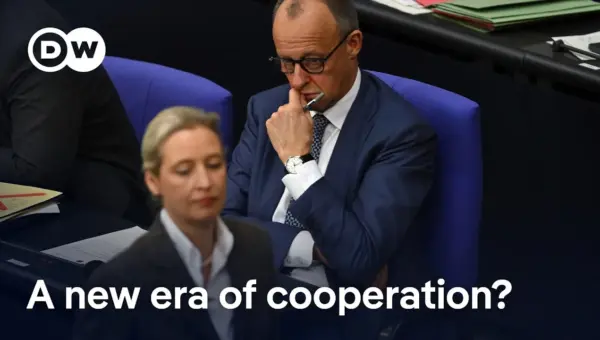
Germany’s Anti-AfD Firewall Crumbles Amidst Shifting Politics
Germany's political 'firewall' against the far-right AfD party is showing significant cracks due to rising AfD popularity and recent instances of cooperation. Historically rooted in Germany's experience with Nazism, the firewall aimed to prevent extremist parties from gaining power. However, shifts in the AfD's rhetoric and increased AfD strength, especially in eastern Germany, are challenging this long-standing political norm.
Americans Rally for Democracy Amidst War and Economic Woes
Thousands of Americans are participating in "No Kings" rallies nationwide, demanding accountability from leaders and drawing parallels to historical movements that spurred significant change. The protests occur amidst a controversial war with Iran, economic uncertainty, and a partial government shutdown. Organizers emphasize solidarity, joy, and the power of collective action in defending democracy.
US Official Claims Iran War Could End Soon; Expert Skeptical
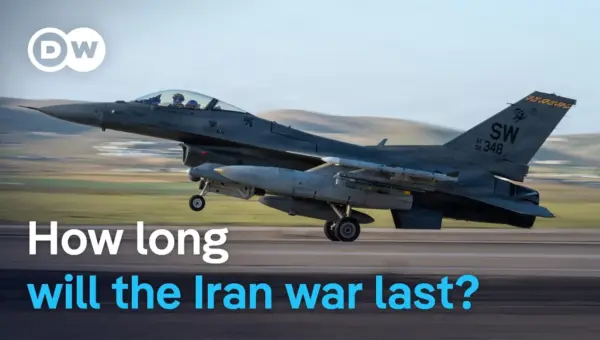
Despite US envoy Steve Woff's optimism about imminent talks and a swift end to the conflict with Iran, expert Aaron David Miller expresses significant doubt. Miller argues that a lack of shared urgency and fundamental miscalculations by the US administration make a quick resolution unlikely.