Israel Expands Borders Amid Regional Turmoil
Reports indicate Israel is pursuing territorial expansion, termed the 'Greater Israel' project, involving incursions into neighboring countries and displacement of local populations. This agenda, fueled by religious ideology, is escalating conflict in Lebanon and the West Bank, creating a significant humanitarian crisis. The US faces renewed scrutiny over its alliance with Israel amidst these developments.

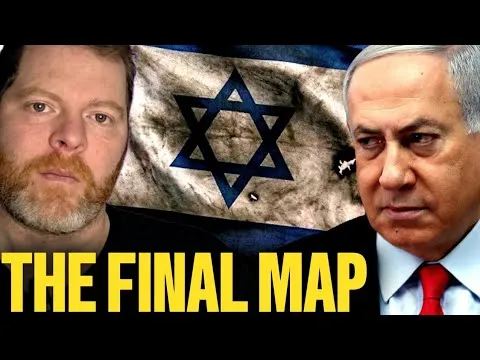
Israel Expands Borders Amid Regional Turmoil
While global attention is focused on conflicts and peace deals, a significant expansionist agenda appears to be unfolding in Israel and its surrounding regions. This push, often referred to as the ‘Greater Israel’ project, involves territorial ambitions that extend beyond current borders. These actions are happening as the United States’ involvement in the region, particularly its past war in Iran, has destabilized the area. The mainstream media often overlooks these developments, focusing instead on short-term agreements that may not address deeper issues.
Motivations Behind Expansion
The idea of a ‘Greater Israel’ is rooted in historical and religious beliefs held by some Israelis. These views suggest a divine right to expand the nation’s territory. This ambition includes incorporating parts of neighboring countries like Syria, Egypt, Lebanon, Jordan, and even Iraq. The stated goal is to secure borders and create a larger Jewish homeland. However, this vision directly conflicts with the existence and rights of millions of people currently living in these lands.
Actions in the West Bank and Gaza
In the West Bank, there are reports of settler violence and displacement of Palestinian communities. Houses have been burned, and residents have been attacked and threatened. These incidents often occur with the presence, or perceived inaction, of the Israeli military. Investigations into these attacks are frequently mentioned, but arrests and accountability are reported to be rare. This pattern of settler activity, sometimes referred to as ‘purges,’ aims to drive out Palestinian populations so settlers can move in and build new communities. Bulldozers are used to flatten existing Palestinian villages, erasing their presence.
Similar patterns are seen in Gaza, where ongoing airstrikes and military operations contribute to the displacement of long-term residents. The strategy involves establishing ‘blue lines’ and pushing them forward, effectively ethnic cleansing the area to expand Israeli control. This creates a refugee crisis, adding to the millions already displaced across the region.
Escalation in Lebanon
The push for expansion is particularly evident in Lebanon. The stated reason for Israeli military action is to neutralize Hezbollah. However, this involves incursions into Lebanese territory, disrupting infrastructure, and targeting villages along the border. The aim is to create a buffer zone and gain control over areas vital for launching further operations. Apartment buildings and infrastructure in cities like Beirut have been attacked. The destruction is not limited to military targets; it affects the general population, destroying homes and families.
This escalating conflict has already caused over a million people to be displaced within Lebanon. The destruction of bridges and roads further isolates communities and hinders aid efforts. Israeli officials have openly discussed using bulldozers to clear border villages, creating unobstructed lines of sight for military operations deep into Lebanon. This plan appears to be openly stated, indicating a move towards occupation and settlement rather than just security operations.
Hezbollah’s Capabilities and Strategy
Hezbollah, a key target of Israeli operations, has adapted its strategy. The group’s fighters, estimated between 2,500 and 4,000 elite operatives, are decentralized and integrated into the population. They have gained significant combat experience in conflicts like the Syrian war, specializing in urban and underground warfare. Hezbollah also has tens of thousands of traditional fighters. They have stockpiled anti-tank rockets, including reverse-engineered Israeli weapons, which are effective against tanks, especially their vulnerable tops.
Hezbollah understands it cannot win a direct, frontal assault against Israel’s larger military force, which includes about 20,000 troops, paratroopers, and armored brigades with Merkava tanks. Instead, they are preparing for a prolonged war of attrition, focusing on urban warfare and using their knowledge of the terrain and tunnel networks to their advantage. Israel’s strategy of destroying villages with bulldozers is met by Hezbollah’s ability to melt into civilian areas and conduct asymmetric warfare.
Regional Instability and Displacement
The actions described are creating a massive humanitarian crisis. Displacement is rampant, not only within Gaza and the West Bank but also across Lebanon and extending into areas affected by the conflict in Iran. The region is becoming increasingly filled with refugees. The psychological impact on the civilian population is immense, as fear and violence are used to pressure people into leaving their homes. This is described as an ethnic cleansing effort, driven by a desire to replace existing populations with settlers.
The Role of Ideology and International Relations
The driving force behind these territorial ambitions is often described as a form of religious ideology or ‘religious psychosis.’ This ideology prioritizes faith and perceived divine mandates over rational policy or international law. It fuels a belief that the means, however brutal, are justified by the ultimate end. This belief system disregards international rules of engagement and humanitarian concerns.
The United States, a key ally of Israel, faces a complex situation. While its government officially supports Israel, the actions on the ground raise serious ethical and legal questions. The ongoing conflict and territorial expansion raise concerns about potential war crimes and crimes against humanity. The lack of attention from mainstream media allows these events to unfold with less international scrutiny. This situation calls for a re-evaluation of the relationship between the US and Israel, especially given the humanitarian consequences.
Looking Ahead
The current trajectory suggests a continued escalation of conflict and displacement. The ‘Greater Israel’ project, driven by religious ideology, appears to be proceeding openly, despite its devastating impact on civilian populations. The international community, particularly the United States, faces a critical juncture. Addressing this situation requires acknowledging the reality of the expansionist agenda, its methods, and its profound humanitarian costs. The potential for wider regional conflict remains high, fueled by unresolved territorial disputes and ideological motivations.
Source: The Final Map: America’s $200 Billion Erasure Project (YouTube)

Related Articles

Iran’s Missile Threat Reduced by 90%, Analyst Says
An analyst reports that Operation Epic Fury has degraded Iran's missile launchers by 90%, despite challenges in targeting hidden sites. The conflict's duration and media coverage are also discussed, with implications for global energy markets and investor confidence.
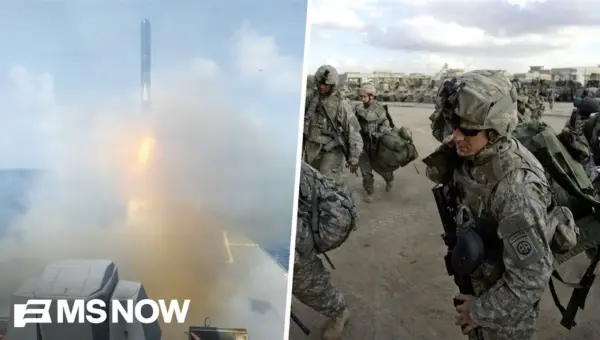
Iran Missile Strikes Injure US Troops, Raise War Concerns
Iranian missile strikes have injured U.S. service members, escalating tensions as the conflict nears one month. The attacks are raising concerns about the effectiveness of U.S. military strategy and the depletion of crucial missile stockpiles. Global oil prices have surged, impacting economies worldwide.
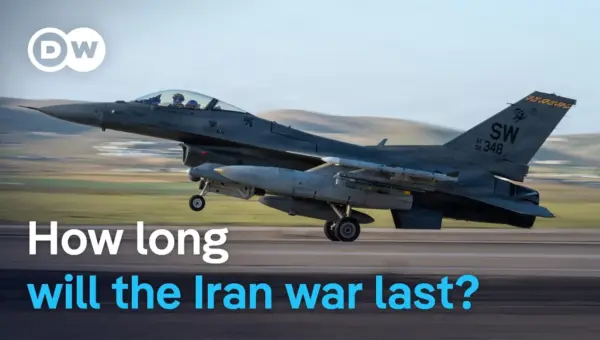
US Official Claims Iran War Could End Soon; Expert Skeptical
Despite US envoy Steve Woff's optimism about imminent talks and a swift end to the conflict with Iran, expert Aaron David Miller expresses significant doubt. Miller argues that a lack of shared urgency and fundamental miscalculations by the US administration make a quick resolution unlikely.