Taliban Free American After Year, Raising Hostage Diplomacy Fears
The Taliban have released American Dennis Coyle after detaining him for over a year, with the UAE and Qatar mediating. This follows the U.S. designating Afghanistan as a sponsor of wrongful detention, citing concerns over hostage diplomacy.

Taliban Free American After Year, Raising Hostage Diplomacy Fears
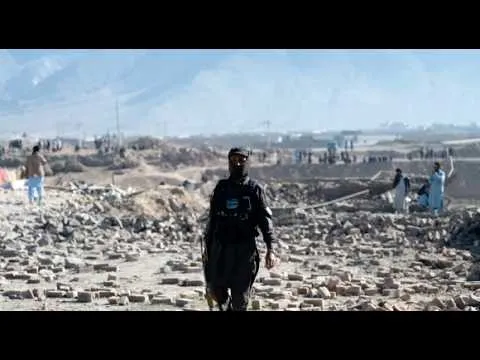
The Taliban announced the release of American citizen Dennis Coyle, who had been detained in Afghanistan for over a year. The group’s foreign ministry stated the academic researcher was freed in Kabul. Coyle was first taken into custody by Taliban officials in January 2025. This release comes after mediation efforts involving the United Arab Emirates and Qatar, according to Taliban officials. Secretary of State Marco Rubio publicly thanked both nations for their help in a post on X.
This event follows a recent decision by the U.S. State Department. The department officially labeled Afghanistan as a sponsor of wrongful detention. This designation highlights accusations that the Taliban engage in hostage diplomacy, using detained individuals as bargaining chips. The U.S. government believes this tactic is used to gain political or financial concessions.
Other Americans May Still Be Held
Dennis Coyle is not the only American believed to be held by the Taliban. Reports suggest at least one other American citizen remains in detention. The FBI has information about Afghan-American businessman Mahmud Habibi, who was reportedly detained in 2022. Habibi’s family also believes the Taliban is holding him. However, the Taliban has officially denied any knowledge of his detention.
Why This Matters
The release of Dennis Coyle is a complex issue with significant implications. On one hand, it represents a positive outcome for Coyle and his family, ending a period of stressful detention. The involvement of regional partners like the UAE and Qatar also shows a continued effort to resolve such situations through diplomatic channels. These mediations can be crucial in securing the freedom of individuals caught in difficult political circumstances.
However, the broader context is concerning. The U.S. designation of Afghanistan as a sponsor of wrongful detention points to a pattern of behavior by the Taliban. Accusations of hostage diplomacy suggest a deliberate strategy to exploit foreign nationals. This practice creates immense pressure on governments and international organizations. It can also deter individuals from traveling to or working in certain regions, fearing they might become pawns in political disputes.
Historical Context: A Troubling Pattern
The use of detention as a political tool is not new. Throughout history, various regimes and groups have detained foreign nationals to achieve specific goals. This can range from securing ransom payments to forcing policy changes or gaining leverage in negotiations. In the context of Afghanistan, such detentions have become a significant concern since the Taliban regained control in 2021. The U.S. and other Western nations have repeatedly called for the release of all detained citizens.
The designation by the State Department is a strong statement. It signals that the U.S. views this practice as a serious violation of international norms and human rights. Such designations can lead to further diplomatic pressure and potential sanctions. They also serve as a warning to other countries about the risks associated with engaging with the Taliban government.
Trends and Future Outlook
The situation with Dennis Coyle highlights a worrying trend. The Taliban’s alleged use of hostage diplomacy appears to be a continuing tactic. The U.S. response, including the wrongful detention designation, suggests a hardening stance. This could make future negotiations for the release of detained Americans more challenging. It might also lead to increased scrutiny of individuals traveling to Afghanistan.
The role of countries like the UAE and Qatar as mediators is important. Their willingness to engage diplomatically can help de-escalate tensions and secure releases. However, their involvement also raises questions about the extent to which they are indirectly validating the Taliban’s actions by participating in these negotiations. The future outlook likely involves continued efforts by the U.S. to secure the release of any remaining detained citizens, coupled with diplomatic pressure and potentially further punitive measures if the practice continues.
Ultimately, the release of Dennis Coyle is a step forward for him personally. Yet, it underscores the ongoing challenges in dealing with the Taliban regime and their alleged use of individuals as political leverage. The international community will be watching closely to see if this marks an end to such practices or simply a pause before the next instance.
Source: Taliban Says It Released American Citizen Who Was Detained for Past Year (YouTube)

Related Articles

Iran War Ignites Regional Crisis: Pakistan Pulled In
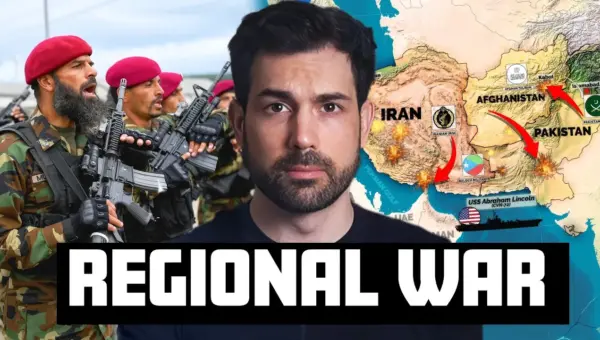
The ongoing war in Iran is igniting a wider regional crisis, pulling Pakistan into escalating border conflicts with Baloch separatists and the resurgent Pakistani Taliban. Missile strikes, protests, and a refugee crisis are destabilizing the region, with significant implications for global energy markets and nuclear security.


Taliban Free American Hostage, Shifting Regional Dynamics
The Taliban has released American hostage Dennis Coyle, marking a significant moment amidst complex regional geopolitics. The move may signal a strategic effort by the Taliban to improve its international standing and potentially ease sanctions, while highlighting the ongoing US commitment to securing its citizens abroad.


Iran Nuclear Deal in Doubt Amid Hostage Release
The release of American hostage Dennis Coyle highlights ongoing geopolitical tensions, particularly with Iran. While claims of Iran agreeing to forgo nuclear weapons have been made, questions persist due to continued uranium enrichment and strategic maneuvering in the Strait of Hormuz. Meanwhile, revelations of Iranian espionage in Silicon Valley add another layer of complexity to the nation's international activities.