Iran Taps Ex-Guard Commander Amid Escalating Regional Tensions
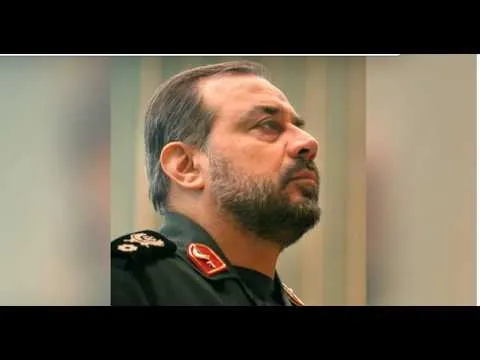
Iran has appointed a former Revolutionary Guard commander as its new national security chief. This move follows the death of the previous security leader and occurs amid heightened regional tensions. The appointment signals a potential hardening of Iran's security posture.

Iran Taps Ex-Guard Commander Amid Escalating Regional Tensions
Iran has appointed a new national security chief, signaling a hardening of its stance. The individual chosen is a former commander within the elite Iranian Revolutionary Guard. This appointment comes at a time of heightened regional conflict and follows the recent death of the previous security chief.
The former security chief, Ali Larajani, was reportedly killed in an air strike last week. His death marks a significant loss for Iran’s security apparatus. The appointment of a figure with a background in the Revolutionary Guard suggests a continuation or intensification of the country’s current security policies.
Context of the Appointment
The new appointee previously held a significant position as the Secretary of Iran’s Expediency Council. This council advises the Supreme Leader on policy matters. His transition from this advisory role to a direct security leadership position is noteworthy. It indicates a shift towards individuals with direct military and security backgrounds in key government roles.
The Iranian Revolutionary Guard is a powerful branch of Iran’s military. It is responsible for protecting the country’s Islamic system. Its members often hold influential positions in both military and civilian government sectors. Appointing a former commander suggests a focus on security and defense strategies.
Broader Regional Dynamics
This development occurs against a backdrop of escalating conflict in the region. President Trump recently commented on the ongoing situation. He stated that the United States and Israel had rapidly eliminated top Iranian leadership early in the conflict. The president also mentioned that Iran’s top leaders had been eliminated multiple times in recent weeks.
These statements highlight the intense geopolitical pressures Iran is currently facing. The appointment of a hardline security chief can be seen as a response to these external pressures. It may signal Iran’s determination to maintain a strong defense posture and project power.
Why This Matters
The appointment of a former Revolutionary Guard commander to a top national security post in Iran carries significant weight. It suggests that Iran may be prioritizing a more assertive security approach. This could lead to increased tensions with regional rivals and global powers. The focus on individuals with military backgrounds often means a greater emphasis on defense and deterrence strategies.
Furthermore, the timing of this appointment is crucial. It coincides with ongoing conflicts and heightened rhetoric from various international actors. Understanding Iran’s internal security leadership changes is key to analyzing its foreign policy and its role in regional stability. The selection reflects the regime’s priorities in a challenging geopolitical climate.
Implications and Future Outlook
The implications of this leadership change are far-reaching. It could influence Iran’s approach to regional conflicts, its relationship with neighboring countries, and its stance in international negotiations. A security chief with a background in the Revolutionary Guard might favor more direct and forceful responses to perceived threats.
This could potentially lead to a more unpredictable security environment. It is important to watch how this new leadership interacts with both domestic and international challenges. The future outlook will depend on how Iran’s new security chief navigates these complex dynamics. The international community will be closely observing Iran’s actions in the coming months.
Historical Context
Iran’s political system has often seen figures from the Revolutionary Guard rise to prominence. This is especially true in security-related roles. The council system, like the Expediency Council, has historically served as a stepping stone for individuals moving into more direct leadership positions. The current appointment is consistent with past trends of prioritizing security-focused individuals.
The strategic importance of national security in Iran cannot be overstated. Given the country’s geopolitical position and ongoing regional rivalries, security has always been a top priority. The selection of a former commander from the Revolutionary Guard underscores this long-standing emphasis. It reflects a continuous effort to bolster the nation’s defense capabilities and maintain internal stability.
Source: Iran Names Hardline Ex-Revolutionary Guards Commander to Replace Slain Security Chief (YouTube)

Related Articles

U.S. Iran Tensions Rise Amid Shifting Alliances
Rising tensions between the U.S. and Iran are creating a volatile geopolitical situation. With conflicting signals on de-escalation and potential shifts in alliances like NATO and U.S.-Israel relations, the path forward remains uncertain. The global economy and regional stability hang in the balance.


Iran Targets US With Cyberattacks, Escalating Digital Warfare
Iran is increasingly using cyberattacks to challenge the U.S., as seen in a recent hack of the FBI director's account. Experts say this is a strategic shift due to Iran's limitations in conventional warfare. The U.S. needs to strengthen its digital defenses, focusing on encryption and cloud computing, rather than solely relying on traditional security measures.

Iran Hacks FBI Chief, Exposing U.S. Cyber Vulnerabilities
A recent hack of FBI Director Kash Patel's personal email by an Iran-linked group highlights Iran's growing cyber threat to the U.S. Experts explain how simple security oversights are exploited, emphasizing the need for basic defenses like two-factor authentication to protect against propaganda and potential infrastructure attacks.