ICE at Airports Fuels Election Fears
The unusual deployment of ICE agents at airport security checkpoints has sparked debate, with some fearing it's a "test run" for election interference. Concerns are mounting over resource allocation and the potential for intimidation in public spaces.


ICE at Airports Fuels Election Fears
The presence of Immigration and Customs Enforcement (ICE) agents at airport security checkpoints has sparked concern, with some suggesting it’s a test run for future election interference. This unusual deployment at O’Hare International Airport in Chicago has raised questions about the purpose and implications of having federal agents, not typically involved in airport screening, assist the Transportation Security Administration (TSA).
A Surprising Encounter
One traveler, preparing for a CNN appearance, described feeling unusually stressed about flying. The common airport experience, which usually runs smoothly for him due to frequent travel, was overshadowed by news and online reports of ICE agents at security. Upon arriving at the airport, he witnessed ICE agents directly assisting TSA officers. Their role seemed limited to repeating standard security instructions, like telling passengers to place bins in the x-ray machine and remove drinks from bags.
The traveler noted, “It seemed out of place due to the training. It seemed like they were given instructions just this morning to say a line over and over and that was basically the extent of their job.”
He questioned the allocation of resources, wondering why ICE agents were being used for this task when TSA agents are the ones trained for airport security. The situation felt particularly odd, like bringing in someone fresh out of high school to fix a car. He also observed that while the agents appeared undertrained for the role, their presence seemed to make a Latino family behind him visibly nervous.
Concerns About Election Interference
Adding to the unease, Steve Bannon, a prominent political figure, reportedly called the airport deployment a “test run for ICE at the polls.” This statement has amplified worries that the Trump administration might use federal agencies to influence upcoming elections. Critics have long feared that such tactics could be used to intimidate voters or disrupt polling in certain areas, particularly in cities with strong opposition to the administration’s policies.
The current situation is seen by some as part of a broader pattern of actions aimed at undermining electoral processes. Past examples cited include efforts related to redistricting and claims of widespread fraud in the 2020 election. The deployment of ICE agents at airports is viewed by these critics as a new and desperate strategy to control election outcomes, rather than addressing core issues like the economy or affordability.
What This Means for Public Trust
The presence of ICE agents in a TSA role raises questions about accountability and effectiveness. The traveler pointed out that if there’s money to deploy ICE agents to airports, there should be sufficient funding for TSA agents themselves. The core concern is the lack of accountability for ICE operations, which critics argue can lead to overreach and mistreatment.
The feeling of being watched or potentially intimidated by federal agents in a place designed for public transit is seen as contrary to American ideals of freedom and open access. The airport, a symbol of movement and connection, should not be a place where citizens feel they are being policed in an unusual and potentially threatening manner. This experience at the airport has led to speculation about what it could mean for the safety and fairness of polling stations in the near future.
Broader Context and Future Outlook
This incident occurs against a backdrop of increased global tensions and domestic political polarization. The traveler also mentioned the deployment of military personnel to the Middle East, linking it to a perceived decline in global safety due to the current administration’s actions. The argument is that actions at home, like the ICE airport presence, and abroad, like military escalations, contribute to a less secure environment.
The future outlook remains uncertain. The use of federal agencies in roles outside their usual jurisdiction, especially close to an election, could set a precedent. Whether this airport deployment was an isolated event or a deliberate strategy for election season remains to be seen. The public’s reaction and the continued scrutiny of such actions will be crucial in shaping how these agencies operate and how citizens perceive their government’s role in public spaces and democratic processes.
Why This Matters
The presence of ICE agents at airport security checkpoints goes beyond a simple operational change. It touches on fundamental questions about the role of federal law enforcement in everyday civilian life and the potential for using such visibility to influence political events. For travelers, especially those from minority groups, it can create an atmosphere of fear and suspicion rather than security. The broader implication is a potential erosion of trust in democratic institutions if federal power is perceived as being used for partisan advantage, particularly when it involves the intimidation or surveillance of the public in public spaces.
Source: I just confronted ICE at the airport (YouTube)

Related Articles
TSA Workers Get Paid After Record Absences
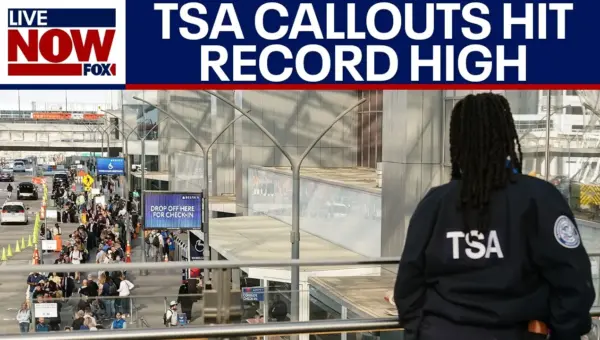
TSA agents will finally receive paychecks after working nearly six weeks without salary, following a directive from President Trump. Record high absences had strained airport operations and caused significant passenger delays. The situation has sparked calls for better protections for essential workers during government shutdowns.
House Rejects Senate Bill, Citing Border Security Funding Gaps
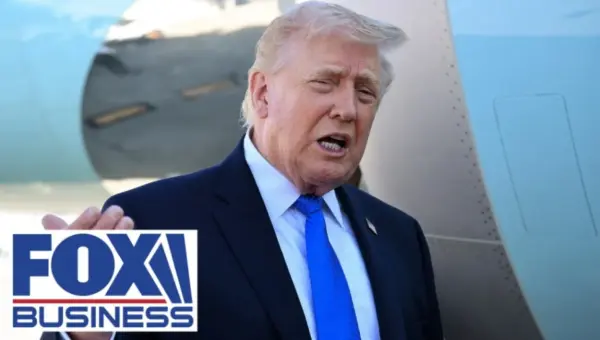
House Republicans are rejecting a Senate funding bill, arguing it lacks essential appropriations for ICE and CBP, threatening anti-trafficking efforts and border security. They plan to pass a short-term measure to force renewed negotiations.


TSA Funding Fight Sparks Airport Chaos, Worker Exodus
TSA officers will soon receive back pay after President Trump signed an emergency order, but the ongoing congressional funding fight continues to cause airport chaos. Long security lines and a significant number of TSA officer resignations highlight the deep divisions over border security measures, leaving travelers frustrated.