Atlanta Airport Lines Shrink After Federal Intervention
Federal intervention has significantly reduced long lines and wait times at Atlanta's Hartsfield-Jackson International Airport. The deployment of additional personnel helped alleviate critical staffing shortages impacting the busy travel hub and the national air network.

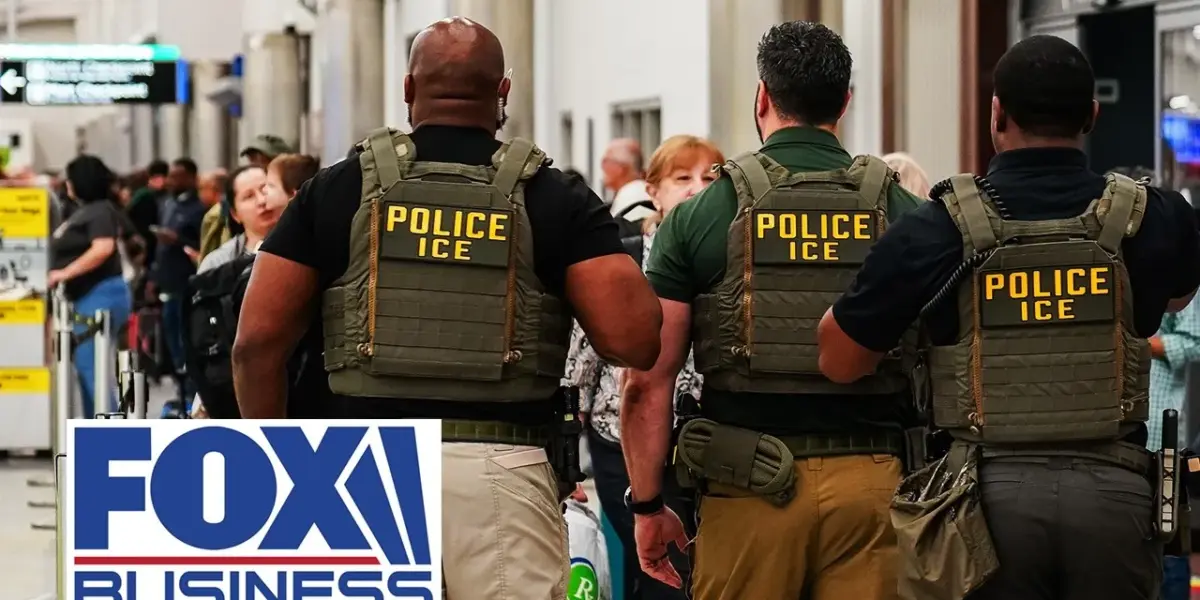
Atlanta Airport Lines Shrink After Federal Intervention
Long lines and hours-long waits at Atlanta’s Hartsfield-Jackson International Airport have significantly improved following the deployment of federal assistance. The intervention appears to have eased congestion that was impacting travelers and causing ripple effects across the nation’s air travel system.
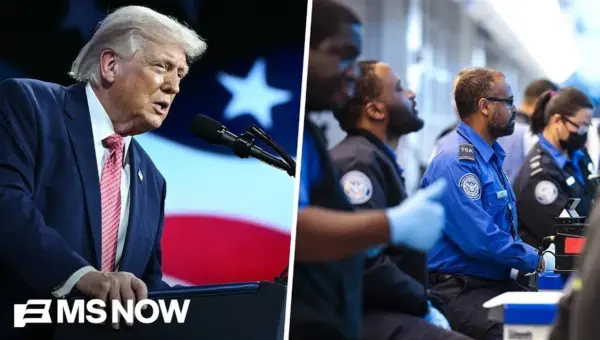
The situation at Atlanta’s airport, one of the busiest in the world, had become a major concern. Reports indicated that up to 40% of Transportation Security Administration (TSA) workers were either calling out or not showing up for shifts. This shortage led to passengers facing waits of four to five hours, creating widespread frustration and travel delays.
Georgia Lieutenant Governor Burt Jones expressed his approval of the federal response, specifically mentioning the involvement of Immigration and Customs Enforcement (ICE) personnel assisting at the airport. He stated, “I am glad President Trump brought help in and as you see the results, the lines have gone down, wait time is down.” This deployment of federal resources aimed to bolster the TSA workforce and alleviate the staffing shortages that were crippling airport operations.
The airport’s congestion had a significant impact beyond Atlanta. Because Hartsfield-Jackson is a major hub, delays and cancellations there often cause a domino effect, disrupting flights and schedules nationwide. Easing the bottleneck in Atlanta is therefore crucial for the smooth functioning of the entire U.S. air travel network.
Security Boosted for Major Events
Beyond addressing the immediate airport chaos, enhanced security measures were also highlighted in preparation for upcoming major events. Atlanta is set to host two pre-World Cup games, and officials confirmed that security has been strengthened. State Patrol and other partner agencies are working together to ensure safety for these high-profile international sporting events.
Lieutenant Governor Jones also mentioned that the city is preparing for other significant events, including the upcoming National event in a couple of weeks and the FIFA World Cup. The coordinated security efforts are designed to manage the influx of visitors and maintain safety during these large gatherings.
Political Debate Over Federal Role
The deployment of federal agents, including ICE, at the airport also touched upon a political debate. Some Democratic leaders, such as Cory Booker, Hakeem Jeffries, and Richard Blumenthal, have previously raised concerns about ICE’s practices, suggesting potential for mistreatment of individuals. However, Lieutenant Governor Jones indicated his comfort with ICE’s presence at the airport, framing it as a necessary measure to address the operational crisis.
Jones characterized the airport situation as a “hiccup” caused by political “games” that affected people’s lives. He credited President Trump’s administration for providing the necessary “boots on the ground” to resolve the issue, expressing confidence in the leadership and the ability to manage upcoming events.
Market Impact
The swift federal response and subsequent reduction in airport wait times can be seen as a positive development for the travel and tourism sectors. Reduced congestion at major hubs like Atlanta can improve operational efficiency for airlines, potentially leading to fewer delays and cancellations for passengers. This can boost consumer confidence in air travel, especially important as the nation prepares for major sporting events and increased travel during peak seasons.
For investors in airline stocks, airport operators, and related hospitality businesses, a smoother travel experience generally translates to better customer satisfaction and fewer disruptions that can impact revenue. While this specific intervention was likely short-term, it highlights the potential impact of government action on critical infrastructure and the broader economy.
What Investors Should Know
The situation underscores the vulnerability of critical infrastructure, like major airports, to staffing shortages. It also shows how quickly federal intervention can potentially resolve such issues. Investors should monitor how staffing levels at TSA and other key transportation agencies are managed going forward. The ability of airports to handle increased passenger volumes is essential for the travel industry’s recovery and growth.
The successful resolution of the Atlanta airport congestion demonstrates the importance of operational readiness for large-scale events. Companies involved in event management, security, and hospitality may see benefits from increased travel and tourism, provided that infrastructure can support the demand. The political debate surrounding federal agency deployment also signals ongoing discussions about border security and immigration enforcement, which could have broader economic implications.
Source: RAPID TURNAROUND: Federal response SLASHES airport chaos overnight (YouTube)

Related Articles

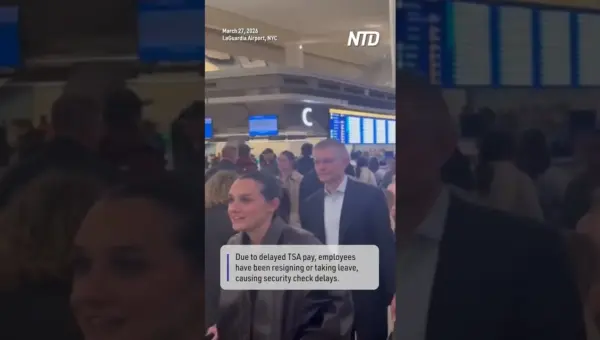
TSA Staff Cuts Create Airport Chaos for Travelers
Recent TSA agent shortages, fueled by a government shutdown and delayed pay, have caused significant delays and long security lines at major airports. This situation highlights the critical role of TSA staff and the impact of funding issues on essential services.
House Funds DHS, But Senate Deal Unlikely Amid Shutdown
The House of Representatives has passed a bill to fund the Department of Homeland Security, but the measure is unlikely to pass the Senate. TSA workers, who have faced missed paychecks and disruptions, may receive some pay soon due to a presidential order, but the broader shutdown continues.
TSA Workers Paid as Congress Remains Divided on Funding
TSA workers are set to receive paychecks thanks to a presidential memo, bypassing a divided Congress. Meanwhile, a bipartisan Senate deal to fund the Department of Homeland Security was rejected by House Republicans, who are now pushing their own stopgap bill. The ongoing stalemate highlights deep political divisions and raises concerns about the government's ability to function effectively, impacting essential services and public confidence.